

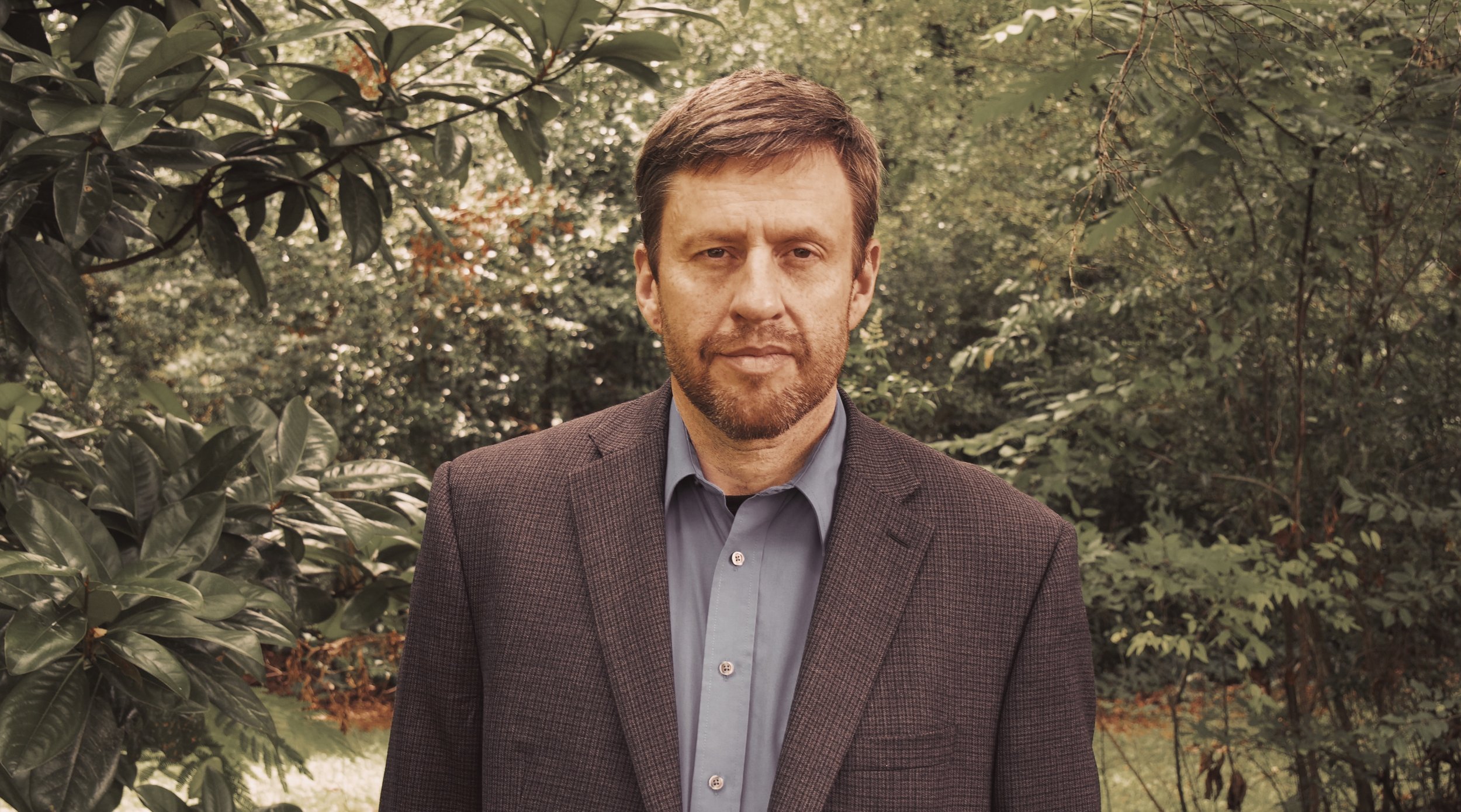
ARTICLES BY DEWAYNE
Christian Articles With A Purpose For Truth.
THE CIVIL RIGHTS ACT OF 1964
The Civil Rights Act of 1964, signed on July 2, 1964, by President Lyndon B. Johnson, stands as one of the most defining legal moments in American history.
It addressed the long-entrenched practices of segregation and discrimination in public life, education, and employment.
When we consider such a moment, we are not merely examining legislation, but a turning point in the national conscience of a people who had long wrestled with questions of justice and equality before the law.
History records the date, the signatures, and the debates, but beneath it all lies a deeper testimony to the ongoing struggle of human societies to order themselves justly.
The long road to that day was marked by conflict, legal battles, and social unrest. Court rulings such as Brown v. Board of Education in 1954 had already begun to dismantle the legal framework of segregation, while public demonstrations and civic action pressed the nation toward legislative resolution.
Yet the passage of the law itself reveals something of the complexity of human government: it moves slowly, often painfully, and always through the collision of competing convictions.
One cannot read the history without sensing both the weight of injustice that had persisted and the force of change that finally broke through.
From the standpoint of God’s word, we are reminded that “God shows no partiality” (Acts 10:34), and that all men are created in His image (Genesis 1:27).
Any system that elevates one person above another in dignity or worth stands under the hard rebuke of divine truth.
And yet the kingdom of Christ is not advanced by the sword of legislation, but by the sword of the Spirit, which is the word of God (Ephesians 6:17).
Earthly governments may restrain outward injustice, but only the gospel can reach the inward corruption of the human heart, where prejudice, pride, and hatred take root.
Thus we see the proper balance: we may acknowledge the significance of such a law in the unfolding of national history, while refusing to place our ultimate hope in the arm of flesh.
Laws may change conduct, but Christ changes the man. Laws may restrain evil, but Christ makes a new creation.
And so the believer looks beyond the courts of earth to the throne of heaven, where righteousness is not debated but perfectly reigns.
There alone will every wrong be finally judged, and every tear be wiped away by the hand of God.
Until that day, we labor not with despair, but with hope fixed in the One whose kingdom cannot be moved.
Thus, while the Civil Rights Act of 1964 is a significant legal development in American history, the Christian’s ultimate hope is not placed in human legislation but in the reign of Christ and the principles of His word.
Believers are therefore called to live with justice, mercy, and humility in all relationships, while remembering that the kingdom of God transcends every nation and every era (Micah 6:8; Philippians 3:20).
BDD
DEMON POSSESSION AND THE VICTORY OF CHRIST
The Bible teaches that demon possession was a reality during the earthly ministry of Jesus. The Gospels record those who were blind, mute, violent, or tormented by unclean spirits, and Jesus cast them out by His divine authority (Matthew 8:16; Mark 1:23-27; Luke 4:33-36).
The apostles likewise received authority over demons as the kingdom of God was being revealed (Matthew 10:1; Luke 10:17). These miracles demonstrated that “the kingdom of God has come upon you” (Matthew 12:28).
John wrote, “For this purpose the Son of God was manifested, that He might destroy the works of the devil” (1 John 3:8).
Paul later declared that Christ “disarmed principalities and powers” and triumphed over them at the cross (Colossians 2:15).
The ministry of casting out demons testified that Jesus is stronger than Satan and that His kingdom would prevail.
The New Testament epistles, however, shift the believer’s attention from casting out demons to resisting the devil through steadfast faith.
Christians are commanded, “Put on the whole armor of God” (Ephesians 6:11), “Resist the devil and he will flee from you” (James 4:7), and “Be sober, be vigilant; because your adversary the devil walks about like a roaring lion” (1 Peter 5:8-9).
We are told to “give no place to the devil” (Ephesians 4:27), to “take every thought captive to the obedience of Christ” (2 Corinthians 10:5), and to let God’s word dwell richly within us (Colossians 3:16).
The emphasis is no longer upon miraculous deliverance but upon holy living, steadfast faith, obedience to Christ. The greatest protection against Satan has always been abiding in the truth of God’s word.
Believers need not live in fear. “He who is in you is greater than he who is in the world” (1 John 4:4). Christ has been exalted “far above all principality and power and might and dominion” (Ephesians 1:20-21).
He possesses “all authority in heaven and on earth” (Matthew 28:18), and He “is able to save to the uttermost those who come to God through Him” (Hebrews 7:25).
Satan remains active as a deceiver (2 Corinthians 11:14), a tempter (1 Thessalonians 3:5), and an accuser (Revelation 12:10), but he is not equal to God and cannot separate the faithful from the love of Christ (Romans 8:38-39).
Our confidence rests not in experiences or fears, but in the finished work of our victorious Lord.
The greatest danger today is not an obsession with demons but a neglect of Christ.
The Bible repeatedly calls us to faith, repentance, prayer, holiness, and perseverance.
As we draw near to God, He draws near to us (James 4:8).
As we walk in the light, “the blood of Jesus Christ His Son cleanses us from all sin” (1 John 1:7).
As we continue in His word, we know the truth, and the truth makes us free (John 8:31-32).
Let us therefore fix our eyes upon Jesus rather than upon Satan, for the Savior who conquered the powers of darkness is worthy of our trust, our worship, and our daily obedience.
BDD
THREE MARKS OF A MATURE BELIEVER
Spiritual maturity is not measured by how long someone has attended church, how much they know, or how many ministries they serve in. It is measured by the steady work of Christ being formed within them.
The believer who is growing in grace becomes increasingly humble, obedient, and useful to the Master. God’s word calls us to “grow in the grace and knowledge of our Lord and Savior Jesus Christ” (2 Peter 3:18).
Growth is not automatic, but it is the expected fruit of abiding in Christ.
1. CONSISTENT COMMUNION
The mature believer values daily fellowship with God above religious activity. Prayer is no longer merely a discipline but a delight. Reading God’s word is not simply gathering information but feeding the soul.
Like the blessed man of Psalm 1, he meditates on God’s word day and night, drawing strength from its truth. Jesus said, “Abide in Me, and I in you” (John 15:4). Lasting spiritual strength is always born out of continual communion with Christ.
2. COMPASSIONATE CONDUCT
As Christ shapes the heart, His compassion begins to overflow into everyday life. Mature believers become quick to forgive, slow to speak, patient with the weak, and eager to serve without seeking recognition.
They remember the mercy God has shown them and extend that same mercy to others. “Be kind to one another, tenderhearted, forgiving one another, even as God in Christ forgave you” (Ephesians 4:32). Christlike character is the strongest testimony a believer can possess.
3. COURAGEOUS COMMITMENT
A mature believer remains faithful even when obedience is costly. He does not follow Christ only when circumstances are favorable, but continues steadfastly through trials, opposition, and disappointment. His confidence rests in God’s promises rather than changing emotions.
Paul declared, “Be steadfast, immovable, always abounding in the work of the Lord” (1 Corinthians 15:58). Spiritual maturity is revealed not by how loudly one professes faith, but by how faithfully one perseveres.
The Lord is not looking merely for informed minds but for transformed lives. As we abide in Christ, walk in His love, and remain faithful to His calling, the Holy Spirit continues His work of conforming us to the image of Jesus.
May we pursue maturity not for the praise of others, but that our Savior may be honored through every word, every decision, and every step we take.
_____________
Heavenly Father, continue Your work of maturity within us. Draw us into deeper communion with You, shape our conduct to reflect the compassion of Christ, and strengthen our commitment to remain faithful in every season. Let our lives display the beauty of Jesus so that others may see Him in us and glorify You. In the name of our Lord Jesus Christ, Amen.
BDD
HAVE YOU BEGUN IN THE SPIRIT ONLY TO SEEK PERFECTION IN THE FLESH?
The Christian life begins with a mighty work of God that no human hand can perform. We are born again by the Spirit of God, not by our own wisdom, strength, or righteousness.
The same grace that called us out of darkness into the marvelous light of Christ is the grace that must sustain us every step of our journey.
The apostle Paul asked the Galatian believers a piercing question that still calls to every generation: “Are you so foolish? Having begun in the Spirit, are you now being made perfect by the flesh?” (Galatians 3:3).
It is possible to begin with humble dependence upon Christ and then slowly drift into trusting our own discipline, our own efforts, and our own religious performance.
The soul that once rejoiced only in the cross may gradually begin to boast in itself.
Pride often disguises itself as holiness. It whispers that if we pray enough, read enough, work enough, or suffer enough, we shall become acceptable before God.
Yet God’s word declares that “the just shall live by faith” (Romans 1:17). We are not merely saved by faith at the beginning. We continue to live by faith every day thereafter.
Every act of obedience is the fruit of His grace working within us. Every victory over sin is the triumph of His Spirit. Every good work finds its source in Christ, who said, “Without Me you can do nothing” (John 15:5).
The flesh is remarkably religious. It enjoys ceremonies without communion, labor without love, and knowledge without humility. It delights in measuring itself against others while neglecting to gaze upon the beauty of Christ.
The flesh can fill churches, quote the Bible, and perform impressive deeds while remaining powerless to produce genuine holiness. Only the Holy Spirit can transform the heart into the likeness of Jesus.
“Walk in the Spirit, and you shall not fulfill the lust of the flesh” (Galatians 5:16). Holiness is not manufactured by human resolve. It blossoms where the Spirit reigns.
When we stumble, the temptation is often to promise God that we will try harder. But the gospel invites us to run back to Christ rather than back to ourselves.
Peter did not restore himself after denying the Lord. David did not cleanse his own heart after his great sin. The prodigal son was not accepted because he became worthy but because his father received him with mercy.
The Lord remains our righteousness from the first moment of faith until the day we stand before Him in glory (1 Corinthians 1:30).
The believer grows not by looking inward but by looking upward.
As we behold the glory of the Lord, we “are being transformed into the same image from glory to glory, just as by the Spirit of the Lord” (2 Corinthians 3:18).
So must we abide in Christ daily through faith, prayer, and joyful obedience.
Let us never exchange the liberty of the Spirit for the burden of self-reliance. The cross not only saves us from the guilt of sin, but it also frees us from confidence in the flesh.
Our boast is not in our achievements but in our Savior.
May we echo the words of the apostle Paul: “God forbid that I should boast except in the cross of our Lord Jesus Christ” (Galatians 6:14).
The life that begins in the Spirit must continue in the Spirit until faith gives way to sight.
____________
Gracious Father, keep us from trusting in our own strength. Forgive us for every attempt to accomplish by the flesh what can only be done through Your Spirit. Teach us to abide in Christ every hour of every day. In His holy name we pray. Amen.
BDD
WHY NOTHING IN THE UNIVERSE IS STILL
The universe presents itself as stillness to the human eye, yet this stillness is only appearance. The Bible declares a creation that is upheld moment by moment, not resting in itself but sustained in divine order, as all things are “held together” in Him (Colossians 1:17).
What we call solid ground is moving faster than most minds can comprehend. The Earth rotates and orbits, carried through space in vast motion that never pauses.
This hidden movement reflects a deeper truth seen throughout God’s word: creation is never described as static, but as active and unfolding, like waters that “continue to move according to His command” (Psalms 104:5).
Even what we call still objects are filled with invisible motion. Atoms vibrate, electrons shift, and energy flows through matter in ways unseen to the eye.
The gospel teaches that what is seen is not all there is, for the visible world rests upon an unseen reality (2 Corinthians 4:18). What appears unmoving is only motion too small to observe.
Heat reveals this hidden activity more clearly. When energy increases, motion increases, and matter changes form. Coldness is not absence of motion, but reduced motion.
This ordered design reflects the wisdom of God, for even fire and heat are instruments of His creation and purpose (Jeremiah 23:29).
At the deepest level, physics shows that even empty space is not truly empty. Quantum activity continues beneath what humans call “nothing.” This aligns with the truth that the heavens declare ongoing activity and divine sustaining power, not silent emptiness (Psalms 19:1).
The stars themselves are not still. They burn, collapse, and are born again across vast spans of time. Galaxies move in patterns too large for human perception, yet perfectly ordered in their motion.
The Bible speaks of the heavens being set in motion by divine appointment, not random stability (Isaiah 40:26).
What this reveals is that stillness is not a condition found in creation, but a limitation of perception. The mind compresses motion into images of rest because it cannot perceive the fullness of time.
The word of God shows that human understanding is partial, seeing “through a glass dimly” before the full reality is known (1 Corinthians 13:12).
In truth, nothing in the universe is still because creation itself is alive with sustaining motion. Every layer of reality, from atom to galaxy, exists in continual movement under divine order.
What appears fixed is only motion too vast or too small to see clearly, held together in a design that never ceases, for He neither slumbers nor sleeps (Psalms 121:4).
BDD
CLOUDS OF JEALOUSY AND CLICKED GRACE (A Short Story)
The rain came in like it had been waiting for permission.
Not a gentle rain either. The kind that clicks against tin roofs and old plexiglass signs like a nervous typewriter trying to confess something it can’t quite spell out.
Past Chick Mason Memorial Hospital, the parking lot lights flickered in uneven rhythm, as if even electricity had started doubting itself. A line of four-wheelers sat half-submerged in muddy puddles behind the maintenance shed, their tires sunk like they had decided not to move ever again.
And in the middle of it all, there was the preacher.
He was not famous in the way people on television are famous. He was famous in the way trouble is famous. In whispers. In sideways glances. In the kind of silence that follows when someone says his name too loudly in a room where jealousy has already taken seats.
They said he “had clicks.”
Nobody knew exactly what that meant, but everybody repeated it like scripture they did not believe but feared to misquote. Clicks on videos. Clicks on sermons. Clicks on food drives. Clicks on the homeless being prayed for under highway overpasses where the concrete sweats at night.
Clicks that turned into money. Money that turned into food. Food that turned into people showing up.
And that last part is what made others restless.
Because people had been showing up for him instead of them.
The rain tapped harder.
Behind the hospital, under a corrugated metal awning, a cluster of men gathered around a fire barrel that wasn’t supposed to be there. Someone had dragged it in on a four-wheeler like a stolen altar. The preacher stood near them, coat soaked, Bible in one hand, phone in the other.
Not preaching yet.
Just listening.
That was his habit. It irritated people who expected performance.
A man named Larkin—though no one agreed that was his real name—watched from across the lot. He wore a clean jacket that didn’t belong in weather like this. He said he didn’t care about the preacher, but he had come anyway.
People always came anyway.
“He’s building something,” Larkin muttered.
A woman beside him shrugged. “It’s just homeless ministry.”
“Nothing is ‘just’ anything anymore,” Larkin said. “Not when it trends.”
That word—trends—hung in the rain like fog that refused to rise.
The preacher finally lifted his head.
He didn’t shout. He rarely did.
“Y’all hungry?” he asked the group by the barrel.
Someone laughed. Not mockery exactly. More like disbelief that hunger was still a question in a world that had already answered it too many times.
A paper bag was opened. Bread. Soup. Simple things. Things that shouldn’t matter enough to make people jealous, and yet somehow did.
Because the clicks said people were watching.
And if people were watching him, they weren’t watching others.
That was the real injury.
Back across the lot, near the hospital entrance, another group stood under an awning that smelled like disinfectant and old coffee. They were not homeless. They were not hungry.
They were ministers of a different sort.
Church-board men. Committee voices. Men who had once been the center of attention before attention became a moving target.
One of them held a tablet. The screen showed the preacher’s latest post: rain-soaked footage of the four-wheelers hauling food crates into an encampment behind Chick Mason Memorial Hospital.
“Seventy-two thousand views,” the man said flatly.
“That’s not ministry,” another replied.
“It’s exposure,” said the first. “And exposure is currency now.”
Rain clicked harder on the awning.
Someone said, “He’s turning suffering into spectacle.”
No one replied because that statement was both accusation and confession.
Outside, the preacher knelt in the mud beside a man whose coat had no zipper left, only memory of one. The preacher prayed quietly. Not for the camera. Not for the clicks. The phone was still in his pocket.
But the phone was always there now, like a second conscience.
A four-wheeler engine coughed somewhere behind them. Someone had started it, then stopped, as if unsure whether movement was still allowed.
Larkin watched the scene and felt something tighten in his chest.
Not hatred. Not exactly.
More like displacement.
“He didn’t even go through channels,” Larkin said.
“Channels?” the woman echoed.
“Church boards. Funding committees. Approval cycles. You know. Order.”
Another man beside him laughed softly. “Order doesn’t trend.”
That was when the rain changed.
Not in intensity, but in feeling. It started to feel like it was listening.
The preacher stood again, mud on his knees, and finally raised his voice—not to the group alone, but to the whole parking lot, the hospital windows, the four-wheelers, the jealous watchers under the awning.
“Don’t confuse noise with fruit,” he said.
Someone recorded it.
Of course they did.
The clicks would come later.
The man with the tablet tightened his jaw. “He’s building a personal brand.”
“He’s feeding people,” the woman said without looking at him.
“That can still be branding.”
The preacher continued as if neither side existed.
“I don’t know what you call it,” he said, “but I know this. Rain doesn’t ask permission. Hunger doesn’t wait for committee approval. And grace doesn’t care who gets the credit.”
A silence followed that even the rain respected for half a second.
Then a four-wheeler backfired loudly, breaking the moment like glass.
Somewhere behind Chick Mason Memorial Hospital, someone started laughing. Not because it was funny. Because it was either that or something else they didn’t want to feel.
Larkin looked away first.
Because the preacher had begun handing out food again, and people were coming closer, and the clicks were rising somewhere invisible, multiplying like loaves in a story no one wanted to admit they recognized.
And jealousy, once it finds a rhythm, always wants to justify itself.
But the rain kept clicking.
And the preacher kept feeding.
And the hospital lights kept flickering like they were trying to decide which version of the world to believe.
BDD
MANSION ON THE HILL
In 1948, country music legend Hank Williams released “A Mansion on the Hill,” a song he had written with Fred Rose. It became one of Williams’ early hits, reaching listeners with a haunting picture of a lonely man gazing toward a grand house occupied by the woman he once loved.
The song is not about Heaven, though its title has often led people to think so. Instead, it tells the story of earthly wealth without lasting joy.
The mansion stands high above the valley, yet it is described as a “loveless mansion on the hill,” reminding us that prosperity without love leaves the heart empty.
That simple image opens a much greater truth found throughout the Bible.
The Bible continually reminds us that God measures life by a different standard than the world. A magnificent house may impress human eyes, but the Lord searches the heart. “Better is a little with the fear of the Lord, than great treasure with trouble” (Proverbs 15:16).
Many spend their lives climbing toward success, believing that one more possession, one more promotion, or one more achievement will finally satisfy the soul.
However, the human heart was never designed to find its rest in earthly treasures. Only the presence of God can quiet the deepest longings within us.
The contrast between the valley and the mansion becomes a fitting picture of the Christian life.
Sometimes God’s children walk through valleys of sorrow, financial hardship, sickness, or loneliness. But those valleys often become the classrooms where faith grows strongest.
David declared, “Yea, though I walk through the valley of the shadow of death, I will fear no evil. For You are with me” (Psalms 23:4).
The valley with Christ is richer than the palace without Him. God’s presence transforms places of suffering into places of fellowship.
Jesus warned His followers not to build their hopes upon temporary riches. “Do not lay up for yourselves treasures on earth, where moth and rust destroy and where thieves break in and steal. But lay up for yourselves treasures in heaven” (Matthew 6:19-20).
Earthly mansions eventually weather, decay, and pass into the hands of others. Kingdom treasures never fade because they are secured by the eternal promises of God.
The believer’s greatest inheritance is not found on a hillside overlooking a valley but at the right hand of the Father through Jesus Christ.
There is, however, another mansion spoken of in God’s word. Before His crucifixion, Jesus comforted His disciples by saying, “In My Father’s house are many mansions…I go to prepare a place for you” (John 14:2).
Unlike the lonely mansion in Hank Williams’ song, the Father’s house is filled with perfect love, everlasting peace, and unhindered fellowship.
No sorrow enters there. No broken relationships remain. Every tear is wiped away because the Lamb Himself dwells among His redeemed (Revelation 21:3-4).
Perhaps today you find yourself standing in the valley, looking upward at someone else’s success and wondering why your path has been so difficult.
Remember that appearances often conceal deeper realities.
A heart surrendered to Christ possesses riches that cannot be purchased. Forgiveness, peace with God, eternal life, and the abiding presence of the Holy Spirit are treasures no earthly fortune can equal.
One day every mansion built by human hands will disappear, but the home Christ has prepared for His people will endure forever.
____________
Heavenly Father, keep my heart from envying the treasures of this world. Teach me to value Your presence above earthly success and to seek the riches that are found only in Jesus Christ. In Jesus’ name, Amen.
BDD
I CHOOSE THE VOICE OF JESUS A Poem
The grass does not bow to the judgment of the wind.
The trees do not count the eyes that look upon them.
The beaver does not abandon its dam because another creature disapproves.
Morning arrives with sunlight spilling over the creeks, touching every trail that disappears into the mountains, and all of creation quietly fulfills the purpose God has given it.
I linger there.
I hear the water speak over the stones.
I watch the beaver carry another branch with patient determination.
I see the grass bending without breaking, the trees stretching heavenward, the mountains standing through generations of storms.
None of them seeks applause.
None of them fears rejection.
They simply remain where the Creator has placed them.
Would that my heart learned such wisdom.
How often I have listened for the voices behind me instead of the voice before me.
How easily the opinions of others become heavier than the words of Jesus.
Yet His call still comes across the valleys, gentler than the flowing creek and stronger than the oldest mountain.
“Follow Me.”
That is enough.
Let others misunderstand my steps.
Let them question my motives or measure my journey with scales that cannot weigh the heart.
The trail before me belongs to Christ.
The sunlight belongs to Christ.
The grass, the trees, the beaver, the dams, the creeks, and the mountains all belong to Christ.
I desire to belong there also.
So I release the burden of pleasing every passing voice.
I will walk where Jesus walks.
I will labor as faithfully as the beaver beside the flowing water.
I will stand as steadfastly as the trees upon the hillside.
I will endure as quietly as the mountains beneath the changing skies.
And when evening gathers its shadows across the grass and the last light rests upon the creek, let this be enough to say of me:
He cared more for Jesus than for the opinions of men.
BDD
MISUNDERSTOOD BY THOSE CLOSEST TO YOU
One of the loneliest experiences in the Christian life is discovering that those who know you best often understand you the least.
The people who have watched your journey, heard your prayers, and witnessed your sacrifices may still misread your motives.
They may mistake your confidence for pride, your conviction for stubbornness, your compassion for weakness, or your boldness for arrogance.
Yet this path is not strange to God’s servants.
Even our Lord “came to His own, and His own did not receive Him” (John 1:11).
Those closest to Jesus often struggled to understand Him. His own brothers did not believe in Him for a time (John 7:5). If the perfect Son of God was misunderstood, we should not be surprised when the same happens to us.
There is a unique burden carried by those whom God has shaped for His service. The Lord often works deep within a person before others ever see the fruit.
During that hidden work, friends and family may judge only what they see on the surface. They cannot always perceive the battles fought in prayer, the tears shed in secret, or the weight of carrying God’s word in the heart.
“Man looks at the outward appearance, but the Lord looks at the heart” (1 Samuel 16:7). The One whose judgment matters most already knows your intentions, your struggles, and your faithfulness.
Many faithful servants in God’s word endured painful misunderstandings.
Joseph’s brothers viewed him as a dreamer worthy of rejection, yet God was preparing him to preserve a nation (Genesis 37:19-20).
David’s oldest brother accused him of pride when he came to face Goliath, but God saw a shepherd with unwavering faith (1 Samuel 17:28).
The prophet Jeremiah was mocked and rejected by his own people, though he faithfully declared the message God had given him (Jeremiah 20:7-9).
These servants were not defined by the opinions of others but by the calling of God.
When people misjudge you, resist the temptation to defend yourself at every opportunity.
Jesus “committed Himself to Him who judges righteously” (1 Peter 2:23).
Explanations accomplish little because hearts have already reached their conclusions. In those seasons, your greatest defense is a consistent life of integrity.
Over time, truth has a way of revealing itself. “Having your conduct honorable among the Gentiles they may, by your good works which they observe, glorify God” (1 Peter 2:12).
Being misunderstood can become one of God’s refining tools.
It teaches humility because we cannot control what others think.
It teaches patience because vindication often comes slowly.
It teaches dependence because only the Lord can satisfy the heart that longs to be understood.
Paul experienced this reality when he wrote, “With me it is a very small thing that I should be judged by you or by a human court. He who judges me is the Lord” (First Corinthians 4:3-4).
Those words are not an excuse for carelessness. They are the confession of a servant whose identity rested in God’s approval rather than man’s applause.
If you are walking faithfully with Christ, continue loving those who misunderstand you.
Pray for those who question your motives.
Refuse bitterness.
Continue serving with joy.
The same God who called you will sustain you.
Your assignment is not to convince everyone that you are sincere.
Your assignment is to remain faithful until the Lord Himself says, “Well done, good and faithful servant” (Matthew 25:21).
In that day, every false judgment will disappear in the light of His perfect truth.
BDD
CHALLENGES TO FAITH
Faith is not formed in ease but in trial. The “testing of your faith produces patience” (James 1:3). The Lord does not promise a path without pressure, but He does promise that “He will not allow you to be tempted beyond what you are able” (1 Corinthians 10:13).
Therefore the believer learns to “walk by faith, not by sight” (2 Corinthians 5:7), trusting that what is unseen is more real than what is felt.
The heart grows weary, yet even then “we do not lose heart” (2 Corinthians 4:16), because “our light affliction, which is but for a moment, is working for us a far more exceeding and eternal weight of glory” (2 Corinthians 4:17).
The struggle is not the end of the story. “In the world you will have tribulation; but be of good cheer,” Christ has “overcome the world” (John 16:33).
Doubt may whisper, but the word of the Lord still stands, for “faith comes by hearing, and hearing by the word of God” (Romans 10:17).
When the storm rises, the soul remembers that “He who promised is faithful” (Hebrews 10:23), and that “without faith it is impossible to please Him” (Hebrews 11:6). So the believer anchors the heart in what God has spoken, not in what fear suggests.
Temptation presses hard, but grace is stronger. “God is faithful, who will not allow you to be tempted beyond what you are able” (1 Corinthians 10:13).
In every trial, “the Lord knows how to deliver the godly out of temptations” (2 Peter 2:9). “He gives more grace” (James 4:6). Thus faith does not collapse under pressure; it is refined like gold in the fire.
Hold fast, therefore, and “let us run with endurance the race that is set before us” (Hebrews 12:1). “He who endures to the end shall be saved” (Matthew 24:13).
The challenges of faith are not the enemy of faith but the proving ground of it, for “this is the victory that has overcome the world—our faith” (1 John 5:4).
BDD
THE BREAD OF LIFE
The body cannot live without bread, and the soul cannot live without Christ. He said, “I am the bread of life” (John 6:35). Those who come to Him “shall never hunger,” and those who believe in Him “shall never thirst” (John 6:35).
He alone can satisfy the longing heart because “man shall not live by bread alone, but by every word that proceeds from the mouth of God” (Matthew 4:4).
The bread that nourishes the soul came down from heaven. “The bread of God is He who comes down from heaven and gives life to the world” (John 6:33). The Father “did not spare His own Son” (Romans 8:32), but gave Him that “whoever believes in Him should not perish but have everlasting life” (John 3:16).
Therefore, “taste and see that the Lord is good” (Psalms 34:8), for “blessed are those who hunger and thirst for righteousness” (Matthew 5:6).
Those who feed upon Christ do not grow weak. “My grace is sufficient for you” (2 Corinthians 12:9). “My God shall supply all your need according to His riches in glory by Christ Jesus” (Philippians 4:19).
The one who abides in Him bears “much fruit” (John 15:5), for “the joy of the Lord is your strength” (Nehemiah 8:10). There is always enough at His table because “His mercy endures forever” (Psalms 136:1).
Come daily to the Bread of Life. “Seek first the kingdom of God” (Matthew 6:33), and “set your mind on things above” (Colossians 3:2). Then “your soul shall be satisfied as with marrow and fatness” (Psalms 63:5). “He who comes to Me shall never hunger” (John 6:35).
Christ is still the Bread of Life, and all who come to Him will never be turned away (John 6:37).
_____________
Father, thank You for giving us the true Bread from heaven. Help us to hunger for Christ more than the passing things of this world. Feed our hearts with Your truth, strengthen our faith, and keep us abiding in Your Son each day. In Jesus’ name, Amen.
BDD
LIVING ON LOVE
Love is the life of the Christian because “God is love” (1 John 4:8). Whoever “abides in love abides in God, and God in him” (1 John 4:16). Therefore, “walk in love, as Christ also has loved us” (Ephesians 5:2), for “the love of Christ compels us” (2 Corinthians 5:14).
Love does not measure what it can receive. It “seeks not its own” (1 Corinthians 13:5) and “does no harm to a neighbor” (Romans 13:10). The heart ruled by love has learned that “it is more blessed to give than to receive” (Acts 20:35).
The Lord loved us “while we were still sinners” (Romans 5:8). Since “He first loved us” (1 John 4:19), let us “love one another” (1 John 4:7), for “love covers a multitude of sins” (1 Peter 4:8). Nothing adorns the gospel more beautifully than a loving heart.
Love also gives courage. “Perfect love casts out fear” (1 John 4:18), and “the peace of God, which surpasses all understanding” (Philippians 4:7) keeps the heart that trusts Him. Where love reigns, bitterness cannot rule, because “the fruit of the Spirit is love” (Galatians 5:22).
Live on love today. “Above all these things put on love” (Colossians 3:14), and “let all that you do be done with love” (1 Corinthians 16:14). Then others will know that you belong to Christ, because “by this all will know that you are My disciples, if you have love for one another” (John 13:35).
_____________
Father, fill our hearts with the love You have shown us in Christ. Teach us to walk in love, speak in love, and serve in love, that Your name may be honored in all we do. In Jesus’ name, Amen.
BDD
THE STRENGTH OF STEADFASTNESS
Steadfastness is not the absence of hardship but the resolve to remain faithful through it. God is not looking for momentary enthusiasm but enduring devotion. The believer who continues to trust Christ through every season bears witness to the faithfulness of God.
THE FOUNDATION OF STEADFASTNESS
Every enduring life is built upon an unshakable foundation. Jesus said that the wise man built his house upon the rock, and when the rain descended, the floods came, and the winds blew, the house stood because it was founded on the rock (Matthew 7:24-25).
Steadfastness begins with Christ. Feelings may fluctuate and circumstances may change, but the Lord remains the same yesterday, today, and forever (Hebrews 13:8). Those who anchor themselves in Him possess a stability the world cannot give.
THE FUEL OF STEADFASTNESS
The Christian life is sustained by daily dependence upon God. “Be steadfast, immovable, always abounding in the work of the Lord, knowing that your labor is not in vain in the Lord” (1 Corinthians 15:58).
Prayer strengthens weary hands. God’s word renews tired minds. Fellowship encourages discouraged hearts. As we continually draw near to God, He supplies the grace needed to persevere one day at a time (James 4:8).
THE FIRE OF STEADFASTNESS
Trials are not merely obstacles. They are instruments in the Father’s hands. “The testing of your faith produces patience. But let patience have its perfect work” (James 1:3-4).
God often accomplishes His deepest work through our greatest difficulties. Affliction teaches dependence. Waiting develops trust. Suffering refines character until Christ is increasingly seen in us (Romans 5:3-5).
THE FRUIT OF STEADFASTNESS
Those who continue faithfully discover that steadfastness always bears fruit. Paul could say, “I have fought the good fight, I have finished the race, I have kept the faith” (2 Timothy 4:7-8).
God honors those who endure with humble confidence. Their lives encourage the weak, strengthen the church, and glorify Christ. Steadfastness is founded upon Christ, fueled by grace, formed through trials, and fulfilled in eternal hope. The race may be difficult, but the Savior who calls us is faithful, and He will never forsake those who continue to abide in Him.
BDD
THE BEAUTY OF BELONGING
Belonging is more than finding a place. It is finding a Person. Through Jesus Christ, God does not merely pardon sinners. He welcomes them into His family, giving them a home for the heart and a hope that cannot be shaken.
THE PRIVILEGE OF PLACED BELONGING
The Father delights to receive those who come to Him through His Son. “Behold what manner of love the Father has bestowed on us, that we should be called children of God!” (1 John 3:1). Our place in God’s family is not earned by performance but granted through His mercy.
Every believer stands on equal ground at the foot of the cross. There are no favored classes, only forgiven children who have been brought near by the blood of Christ (Ephesians 2:13).
THE PEACE OF PERSISTING BELONGING
Those who belong to Christ are invited to remain close to Him every day. Jesus said, “Abide in Me, and I in you” (John 15:4). Fellowship with Him is not a momentary experience but a continual relationship.
As we continue in faith, prayer, and obedience, the peace of Christ rules in our hearts. The Shepherd does not abandon His sheep, and His sheep gladly follow His voice. Belonging grows deeper as love is returned with faithful devotion (Colossians 3:15).
THE PURPOSE OF PROCLAIMED BELONGING
God never gathers His people merely for their comfort. He gathers them for His glory. “You are a chosen generation, a royal priesthood, a holy nation, His own special people, that you may proclaim the praises of Him who called you out of darkness into His marvelous light” (1 Peter 2:9).
The church becomes a living testimony that lonely hearts can find a lasting home in Christ. Those who have received mercy are sent to share mercy. Those who have been welcomed are called to welcome others.
Belonging is precious because it begins with the Father’s love, continues through the Son’s fellowship, and is strengthened by the Holy Spirit’s presence. We are placed by grace, persisting through faith, and proclaiming His praise until the day we see our Savior face to face.
___________
Lord God, thank You for making us Your children through Jesus Christ. Help us to remain close to You each day, finding our identity and our joy in Your presence. Make our lives a testimony of Your welcoming love so that others may find their home in Christ. Keep us faithful until we are gathered into Your eternal kingdom. In Jesus Christ we pray, Amen.
BDD
THE GLORY OF TRUTH
Truth is not merely a collection of correct ideas but the self-disclosure of God through Jesus Christ. It does not change with culture, bend to opinion, or weaken with the passing of time. Truth stands because God stands, and His word endures forever.
THE PERSON OF TRUTH
Jesus declared, “I am the way, the truth, and the life. No one comes to the Father except through Me” (John 14:6). Truth is therefore more than information to be learned. It is a Person to be known.
The world searches for meaning through philosophy, experience, and human wisdom, but the Bible points us to Christ as the embodiment of all truth. To receive Him is to receive the light that exposes darkness and leads the soul into fellowship with God (John 1:14, 17).
THE POWER OF TRUTH
The power of truth is not found in clever arguments but in its ability to transform the human heart. Jesus prayed, “Sanctify them by Your truth. Your word is truth” (John 17:17).
As God’s word takes root within us, it renews the mind, convicts the conscience, and produces genuine holiness. Truth breaks the chains of deception and sets the captive free. “You shall know the truth, and the truth shall make you free” (John 8:31-32). The freedom Christ gives is freedom from sin’s dominion so that we may joyfully walk in righteousness.
THE PRACTICE OF TRUTH
Those who belong to Christ are called not only to believe the truth but also to live it. The Apostle John rejoiced that believers were “walking in truth” (Third John 4). Truth is seen in honest speech, faithful worship, sincere love, and steadfast obedience.
God never intended truth to remain confined to the intellect. It is to shape our character, guide our decisions, and govern our relationships. As we speak the truth in love, we grow into the likeness of Christ, who is the Head of His church (Ephesians 4:15).
When truth is embraced, Christ is honored, the believer is strengthened, and the church becomes a bright witness in a confused world. Truth is personal in Christ, powerful through God’s word, and practical in everyday obedience. It is a lamp to our feet and a light to our path (Psalms 119:105).
____________
Lord God, thank You for revealing Your truth through Your Son and through Your word. Guard us from deception and give us hearts that love what is true. Teach us to walk in obedience, to speak with grace and honesty, and to reflect the character of Christ in all we do. May Your truth shape our lives until we stand before You with joy. In Jesus Christ we pray, Amen.
BDD
RESTING IN THE FINISHED WORK OF CHRIST
The Christian life does not begin with our work for Christ but with Christ’s work for us. Before we ever believed, before we ever prayed, before we ever sought Him, the Son of God climbed Calvary’s hill and completed the work the Father had given Him to do.
As He bowed His head He declared, “It is finished!” (John 19:30). Those words sounded through heaven and earth as the proclamation that redemption had been accomplished.
Faith does not add to that work. Faith simply enters into it.
The soul that sees this truth lays down the heavy burden of self-effort and finds rest in the Savior. “Come to Me, all you who labor and are heavy laden, and I will give you rest” (Matthew 11:28).
How slow we are to believe that God truly means what He says. We imagine that His acceptance rises and falls with our feelings.
On days when our prayers seem warm, we think He must be pleased. On days when our hearts feel cold, we fear He has turned away.
But the Father’s love is not anchored in the changing tides of our emotions. It is anchored in His beloved Son. “He made us accepted in the Beloved” (Ephesians 1:6).
If our standing depended upon ourselves, we would have no peace for even a single hour. But because our standing rests upon Christ, the weakest believer may approach the throne with confidence.
The cross is not merely the doorway into salvation. It is the foundation upon which the whole Christian life is built.
Too many begin by trusting Christ and then spend the remainder of their lives trusting themselves. They look inward for strength, inward for holiness, inward for assurance. But nothing good has ever come from gazing continually upon self.
The more we inspect our own hearts, the more reasons we discover for discouragement. The Holy Spirit gently lifts our eyes from ourselves and fixes them upon the Lamb of God.
There is healing in that look.
There is peace in that look.
There is victory in that look.
“Looking unto Jesus, the author and finisher of our faith” (Hebrews 12:2).
Faith is not an achievement. It is surrender. It is the quiet “Amen” spoken by the soul to everything God has declared concerning His Son.
God says the blood of Jesus cleanses from all sin, and faith replies, “Amen” (1 John 1:7).
God says there is now no condemnation for those who are in Christ Jesus, and faith replies, “Amen” (Romans 8:1).
God says we have been raised with Christ, and faith bows before that truth even when feelings argue otherwise (Colossians 3:1-3).
Faith is simply agreeing with God.
There is a subtle pride hidden within religious striving. We imagine that if we pray longer, discipline ourselves more, or suffer enough, then perhaps God will receive us more fully.
But what greater acceptance could be given than to be united with His own Son? Shall the Father love the members less than He loves the Head? Shall He reject those for whom Christ shed His precious blood? Never.
The believer stands beneath the shelter of a righteousness that cannot be improved because it is the righteousness of Jesus Christ Himself (2 Corinthians 5:21).
This is why the conscience finds no lasting peace until it rests entirely upon the cross. Every attempt to establish our own righteousness leaves the soul exhausted.
We climb one hill only to discover another before us.
But at Calvary every hill of guilt meets its end. Every accusation finds its answer. Every demand of divine justice has already been satisfied by the obedient life and sacrificial death of the Son of God.
“Having made peace through the blood of His cross” (Colossians 1:20). What God has settled, let no trembling heart attempt to reopen.
And remember that the finished work of Christ does not produce carelessness. Rather, it awakens love.
When the believer realizes the greatness of the mercy shown to him, obedience ceases to be slavery and becomes delight. We no longer serve in order to gain favor. We serve because favor has already been freely given.
Love accomplishes what fear never could. “We love Him because He first loved us” (1 John 4:19). Grace is not the enemy of holiness. Grace is its birthplace.
The greatest obstacle to holy living is often not weakness but self-confidence. So long as we believe we possess strength in ourselves, we will continue drawing from an empty well.
God allows us to discover our poverty so that we might draw from the riches of Christ.
Our failures, though painful, often become the doorway through which we finally abandon confidence in the flesh.
Then the words of our Lord become precious beyond measure. “Without Me you can do nothing” (John 15:5).
But because He lives within us, all things necessary for life and godliness are supplied through Him (2 Peter 1:3).
The branch bears fruit without anxiety because its life flows from the vine. It does not struggle to manufacture grapes. It simply abides. So it is with the believer.
Christ never intended us to imitate His life by our own strength. He came to impart His life to us. “I have been crucified with Christ. It is no longer I who live, but Christ lives in me” (Galatians 2:20).
The more we rest in Him, the more His character quietly appears through us. Patience, gentleness, purity, humility, and love are not the products of human determination. They are the fruit of His indwelling life.
When Satan accuses, point him to the cross. When your conscience trembles, point it to the cross. When your heart condemns you, remember that “God is greater than our heart” (1 John 3:20).
The blood of Jesus speaks a better word than every accusation. Our hope has never rested upon the strength of our repentance but upon the perfection of His sacrifice.
The empty tomb declares that the Father’s justice is forever satisfied. Christ has been raised, and therefore every believer who trusts in Him stands justified before God (Romans 4:25).
One day faith will give way to sight. The redeemed will gather around the throne, and not one voice will boast of personal achievement.
Every song will magnify the Lamb who was slain.
Every crown will be laid at His feet.
Throughout eternity we shall never outgrow the wonder of those triumphant words spoken from the cross: “It is finished.”
Heaven itself will be the everlasting celebration of a completed redemption. The saints will forever rejoice that their salvation rested not upon the frailty of man but upon the unchanging work of the Son of God (Revelation 5:9-13).
Therefore cease striving to accomplish what Christ has already accomplished. Lay down every burden of self-righteousness. Stop measuring God’s love by your changing emotions.
Believe His testimony concerning His Son.
Rest where God rests.
Stand where God has placed every believer, at the foot of the cross and in the power of an empty tomb.
There the soul finds peace that cannot be shaken because it is founded upon a work that can never be undone.
BDD
PRAYER THAT TOUCHES THE HEART OF GOD
Prayer is far more than presenting requests before heaven. It is the fellowship of a redeemed heart with the living God.
The one who truly prays does not merely seek God’s hand but longs for His presence. Our Lord invited His disciples into this communion when He said, “Abide in Me, and I in you” (John 15:4).
Prayer reaches its greatest depth when our hearts desire God Himself above every blessing He can give.
Many become discouraged because they measure prayer by visible results. But the first work of prayer is often within the one who prays.
As we wait before the Lord, our thoughts are brought into submission, our ambitions are purified, and our wills become willing to embrace His will. “Delight yourself also in the Lord, and He shall give you the desires of your heart” (Psalms 37:4).
The heart that delights in God soon discovers that His desires become its own.
The greatest hindrance to prayer is not always a lack of words but the activity of self. We are quick to speak and slow to listen.
Thus the Lord often teaches His children in the quiet place where every earthly confidence fades. “Be still, and know that I am God” (Psalms 46:10).
In that holy stillness, faith hears what hurried hearts cannot hear. Prayer is strengthened when we learn to wait before Him with reverence and expectation.
True prayer is born from God’s word dwelling richly within us. When His promises fill the heart, faith finds its language.
Jesus declared, “If you abide in Me, and My words abide in you, you will ask what you desire, and it shall be done for you” (John 15:7). Prayer that springs from God’s word is not an attempt to persuade Him. It is the joyful agreement of the believer with the will of the Father.
Heaven may appear silent and the answers seem delayed. These moments are not evidence that God has forgotten His children. They are often His invitation to deeper trust.
The widow who continually sought justice and the friend who knocked at midnight remind us that persevering prayer reveals confidence in God’s goodness rather than doubt about His love (Luke 18:1-8; Luke 11:5-10).
The Father delights in those who continue seeking Him because they know His character is faithful.
The highest purpose of prayer is that Christ might be formed more fully within us. Every true petition moves us away from self-reliance and toward complete dependence upon the Lord.
As we behold His glory in the quiet place, our lives are changed from one degree of glory to another by the Spirit of the Lord (2 Corinthians 3:18).
The greatest answer to prayer is often not a changed circumstance but a transformed heart.
_____________
Gracious Father, draw me into deeper fellowship with You. Teach me to treasure Your presence above every answer I seek. Fill my heart with Your word so that my prayers may reflect Your will. Give me patience to wait, faith to trust, and humility to listen. Let my life become a continual prayer that brings glory to Jesus Christ. In His name, Amen.
BDD
FAITH THAT RESTS IN GOD
Faith is not the strength of man’s determination. It is the quiet confidence that God is exactly who He has revealed Himself to be.
The heart that truly believes ceases striving to establish its own righteousness and begins resting in the finished work of Christ. “Therefore, having been justified by faith, we have peace with God through our Lord Jesus Christ” (Romans 5:1).
Peace is not the reward of great effort. It is the fruit of trusting a great Savior.
Many believers think faith is something they must produce by intense emotion or repeated attempts. Yet faith is born when the soul sees Christ.
When Peter stepped onto the water, his safety was never found in the firmness of his feet but in the faithfulness of the One who called him.
The Lord still says, “Come.” As long as the eyes remain upon Him, the impossible becomes the pathway of obedience (Matthew 14:28-31).
Faith grows, not by looking within, but by looking unto Jesus, “the author and finisher of our faith” (Hebrews 12:2).
There is also a deeper lesson. God often permits us to discover our weakness so that we may abandon confidence in ourselves.
The flesh desires to accomplish spiritual things by natural power. But the Lord patiently brings us to the end of ourselves until we confess, “Without Me you can do nothing” (John 15:5).
When self loses its throne, Christ is free to display His sufficiency. “My grace is sufficient for you, for My strength is made perfect in weakness” (2 Corinthians 12:9).
Faith is closely joined to surrender. Abraham believed God because he yielded himself to God’s promise even when every visible circumstance seemed to deny it. “He did not waver at the promise of God through unbelief, but was strengthened in faith, giving glory to God” (Romans 4:20).
Faith does not demand explanations before it obeys. It accepts God’s word because God Himself cannot lie (Titus 1:2). Such faith may appear weak before men, yet it is precious before heaven.
The Christian life begins by faith and continues by faith.
We do not merely trust Christ for forgiveness. We trust Him daily for holiness, wisdom, endurance, and every act of obedience. “For we walk by faith, not by sight” (2 Corinthians 5:7).
As we abide in Him, His life is manifested through us, and what once seemed impossible becomes the natural expression of His indwelling life (Galatians 2:20).
____________
Heavenly Father, teach me to cease trusting in myself and to rest completely in Your Son. Open my eyes to behold Christ more clearly so that faith may arise from knowing Him. Strengthen me to obey Your word even when I cannot see the outcome. Let my life testify that Your grace is sufficient and that Your promises never fail. In the name of Jesus, Amen.
BDD
IS GOD A MORAL MONSTER? By Paul Copan A REVIEW
Paul Copan’s Is God a Moral Monster? is one of the more significant modern works addressing the difficult ethical questions skeptics frequently raise against the God of the Bible. Rather than dismissing these objections with shallow answers, Copan carefully examines the historical setting, literary context, and theological purpose behind many Old Testament passages that critics often cite. His goal is not to explain away difficult texts but to encourage thoughtful readers to examine them fairly before drawing conclusions.
One of the strengths of the book is its insistence that no passage of God’s word should be isolated from its surrounding context. Many accusations against the Bible arise from reading a single verse while ignoring the broader narrative. Copan repeatedly reminds the reader that God’s dealings with ancient nations occurred within a unique period of redemptive history. This approach reflects the principle taught throughout the Bible that truth must be handled accurately and in harmony with the whole counsel of God (2 Timothy 2:15; Acts 20:27).
Copan also gives considerable attention to the character of God. Critics frequently portray the God of the Old Testament as cruel while overlooking His remarkable patience. The Bible repeatedly declares that the Lord is “merciful and gracious, longsuffering, and abounding in goodness and truth” (Exodus 34:6). Long before judgment came upon nations such as the Canaanites, centuries of wickedness had passed. Divine judgment was never impulsive. It was measured, righteous, and deserved (Genesis 15:16).
Especially helpful is Copan’s discussion of the conquest of Canaan. He demonstrates that the language of total destruction often reflects the customary military rhetoric of the ancient Near East. Biblical narratives themselves reveal that many of the peoples described as “destroyed” continued to exist afterward, indicating that these expressions should not always be interpreted with modern literalism. This observation encourages readers to pay careful attention to literary conventions before making moral accusations against the biblical record.
The author likewise addresses difficult questions regarding slavery, women, and capital punishment. While every reader may not agree with each conclusion, Copan consistently attempts to distinguish between God’s temporary regulation of ancient social structures and His ultimate moral ideal. The unfolding nature of biblical revelation deserves careful consideration, for God progressively worked through imperfect societies while moving history toward the fullness revealed in Jesus Christ (Galatians 4:4).
There are, however, places where some readers may desire stronger emphasis. At times Copan relies heavily upon historical reconstruction and cultural background. Such information can be valuable, yet Christians must remember that the final authority rests in the inspired text itself rather than in archaeological theories or scholarly consensus. Historical evidence should illuminate the Bible, never govern it (2 Peter 1:20-21).
Another area that invites discussion is the treatment of certain philosophical arguments. Copan occasionally spends many pages interacting with contemporary atheists and academic objections. While these sections serve an important purpose, some readers may find them more technical than necessary. A simpler presentation would make portions of the book more accessible to Christians who desire practical answers for personal evangelism.
Nevertheless, the overall contribution of this volume is substantial. The book encourages believers not to fear difficult questions but to investigate them honestly. Christianity has never depended upon blind faith. Rather, God’s word repeatedly invites examination, evidence, and careful reasoning (Isaiah 1:18; 1 Peter 3:15). Honest inquiry ultimately strengthens confidence in divine revelation.
The greatest lesson emerging from Copan’s work is that God’s justice and God’s love are never enemies. The same God who judged sin in the Old Testament also demonstrated immeasurable mercy through the cross of Christ. Divine holiness requires justice, yet divine grace provides salvation. Any evaluation of the difficult passages of the Bible must be made in light of God’s complete revelation, culminating in Jesus Christ, who perfectly reveals the Father’s character (John 14:9).
In summary, Is God a Moral Monster? deserves careful reading by Christians who desire thoughtful answers to skeptical objections. Although readers may differ with some of Copan’s arguments or conclusions, the book succeeds in challenging superficial criticisms of the Bible and directing attention back to the historical and theological context of God’s word. It is a valuable resource that encourages deeper study, stronger faith, and greater confidence that the God revealed in the Bible is perfectly holy, perfectly just, and perfectly good.
BDD
WOLVES IN SILENT CLOAKS
They walk where light forgets to stay,
In borrowed forms of gentle clay,
With softened voice and lowered eye,
They speak as lambs, yet do not sigh
For truth, but for the fold’s embrace—
To wear a harmless, sacred face.
The meadow knows them not at first,
For nothing outward seems accursed;
They quote the dawn, they name the sky,
And teach the lambs to question “why,”
Yet underneath the speech so mild
Is ancient hunger, patient, wild.
The soul that trusts the painted peace,
May find too late that words can cease
To mean what heaven meant them to be,
When form eclipses honesty;
For masks, though carved in holy art,
Still cannot cleanse a ravenous heart.
Yet nature keeps her quiet law—
No disguise escapes her awe;
For every borrowed, false display
Is slowly worn by truth away.
The wolf, though wrapped in sheep’s disguise,
Still answers to the morning skies.
So walk where inward truth is light,
Not only garments dressed in white;
For every form that seems divine
Must answer to a deeper sign—
The inward law no mask can bend,
The soul itself must be its end.
BDD