

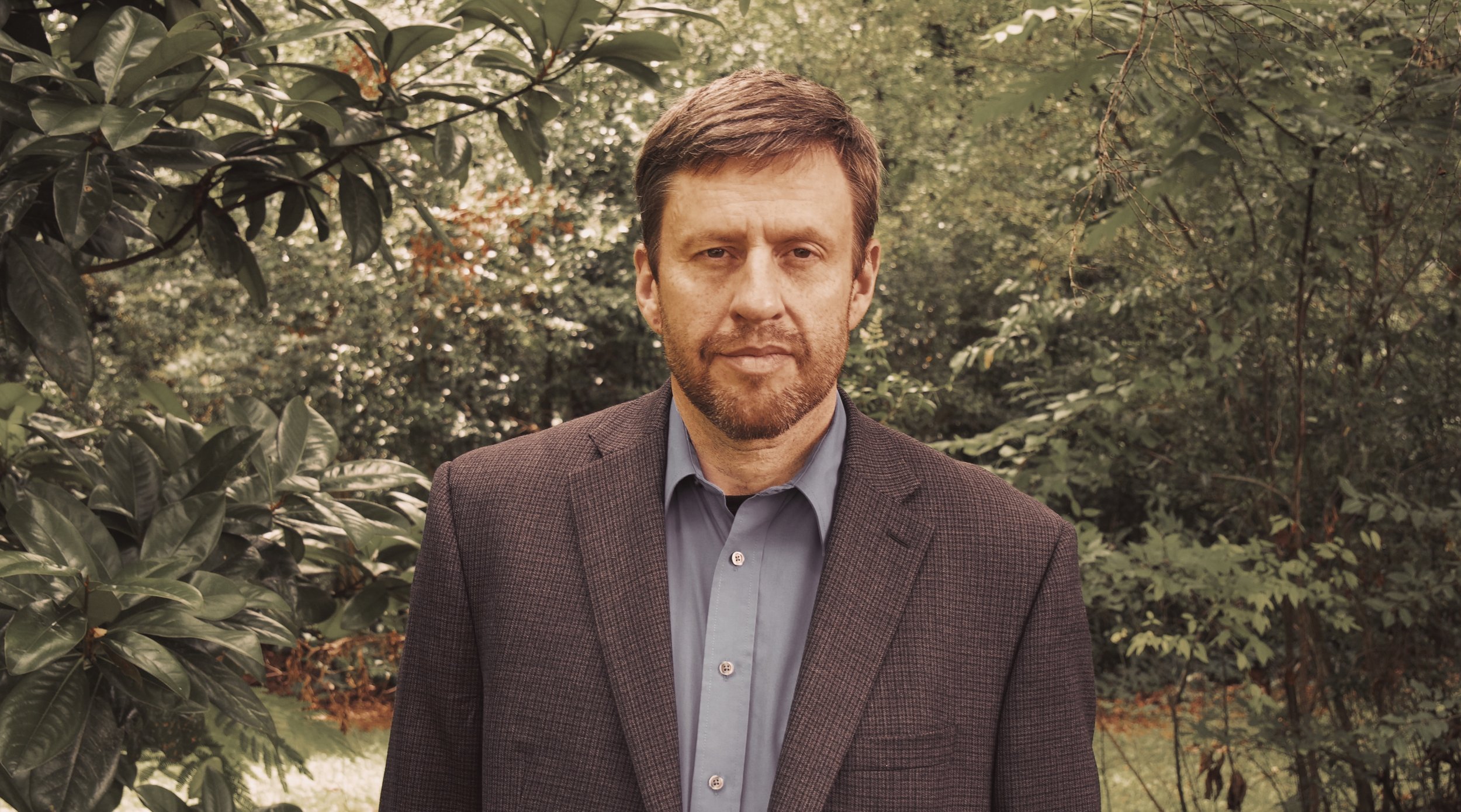
ARTICLES BY DEWAYNE
Christian Articles With A Purpose For Truth.
CHRIST FORMED WITHIN
God’s purpose for us is not only that we be forgiven, but that Christ be formed within. Salvation is the beginning of a far greater journey—the shaping of the soul into the likeness of the Savior. The Father’s desire is not just to make us better, but to make us His. Paul wrote with holy yearning, “My little children, for whom I labor in birth again until Christ is formed in you” (Galatians 4:19). This is the mystery of the Christian life—not us trying to be like Him, but Him living in us, expressing His life through clay vessels.
This forming comes through the Cross. The Cross is not only the place where Christ died for us; it is where we die with Him. It is where pride is broken, where self-will is surrendered, and where our hearts are emptied so His Spirit can fill them. Each time we yield our way for His way, His image grows clearer in us. “I have been crucified with Christ; it is no longer I who live, but Christ lives in me” (Galatians 2:20). The Cross is not the end of life—it is the beginning of His life in us.
Christ in us is the secret to all fruitfulness. Without Him, we can do nothing (John 15:5). But when we abide in Him, His love flows through us like living water. Our words become softer, our service becomes purer, and our hearts begin to reflect His patience and peace. We do not strain to bear fruit; we simply stay near the Vine, and His life produces what our effort never could. The more we rest in His presence, the more His beauty begins to shine through.
This is the true work of grace—not achievement, but transformation. God’s goal is not to make us famous, but faithful. Not powerful in the eyes of men, but pure in the sight of Heaven. Day by day, the Holy Spirit shapes us, often quietly, through trials, tears, and tender mercies, until the life of Christ is seen. And when that happens, heaven touches earth. The fragrance of His life fills our days, and the world sees not us, but Him who lives within.
Lord Jesus,
Let Your life be formed within me. Shape my heart to mirror Yours. Teach me to yield where I once resisted, to love where I once judged, to trust where I once feared. May the Cross do its holy work in me until pride is broken and Your peace reigns. Let my life be a reflection of Your gentleness and strength. Abide in me as the Vine in the branch. Let Your words find a home in my heart, and let Your Spirit breathe through my days. When I am weak, be my strength. When I am silent, speak through me. When I am still, fill me. And when I stand before You at last, may the world have seen not me, but You living in me.
Amen.
Bryan Dewayne Dunaway
THE SPIRIT WHO GIVES LIFE
The Spirit of God has always been moving—hovering over the waters in the beginning, breathing life into creation, whispering truth through prophets, and filling hearts with holy fire. From Genesis to Revelation, His presence marks the heartbeat of God’s work among men. Wherever the Spirit moves, death yields to life, despair gives way to hope, and dry ground blossoms again.
In the Old Testament, we see the Spirit at work in promise and power. The prophets spoke of His coming as rain upon the wilderness. Isaiah said, “The Spirit of the Lord shall rest upon Him—the Spirit of wisdom and understanding” (Isaiah 11:2). Ezekiel heard God say, “I will put My Spirit within you and cause you to walk in My statutes” (Ezekiel 36:27). Joel declared, “I will pour out My Spirit on all flesh” (Joel 2:28). The same breath that hovered over the deep in creation now enters the hearts of the redeemed in new creation.
Few scenes portray this better than Ezekiel’s vision in the valley of dry bones (Ezekiel 37:1–14). The prophet stands amid lifeless remains—symbols of a people without hope. Yet when God commands him to speak, the bones begin to rattle, the sinews stretch, the flesh returns, and finally the breath of God fills them. What was once dead stands alive, an army raised by the Spirit’s breath. So it is with every believer who receives the Spirit of Christ. We who were dead in sin are made alive unto God, not by effort, but by the indwelling breath of Heaven.
In the New Testament, the promise becomes personal. Jesus calls the Spirit a Helper, Teacher, and Comforter (John 14:26). He guided first century men into all truth (John 16:13). Today, He fills us with divine love (Romans 5:5), and empowers us to live and share Christ boldly, in principle the way He did the apostles of Christ (Acts 1:8). Paul reminds us that we are temples of the Spirit (1 Corinthians 3:16), that the Spirit intercedes when words fail (Romans 8:26), and that His fruit is love, joy, peace, and all that reflects the life of Christ (Galatians 5:22–23). The same power that raised Jesus from the dead now works in us to produce holiness and strength.
Discipleship without the Spirit becomes labor without life. But when the Spirit fills us, the Christian walk ceases to be duty and becomes delight. The Spirit does not make us perfect overnight, but He makes us alive. And in that life, Christ is formed within. Let us yield daily to His quiet leading, letting His wind blow through every thought and desire, until our hearts echo the faith of Ezekiel’s valley: “Thus says the Lord God…I will put My Spirit in you, and you shall live.”
Holy Spirit of Christ, breathe upon me again. Move within the dry valleys of my heart and make them green with Your life. Teach me to walk in Your ways, to love as Christ loved, and to live in constant fellowship with You. May every word I speak and every step I take bear the fruit of Your presence. Fill me, renew me, and make me a vessel through whom the breath of Heaven flows. In Jesus’ name, Amen.
Bryan Dewayne Dunaway
IF YOU WANT TO GET TECHNICAL ABOUT IT: Examples Are Not Binding
Some believers insist they are merely seeking “Bible authority,” yet their method relies on turning incidental actions in Scripture into universal commands. They preach a system that takes narrative moments and converts them into binding patterns, elevating examples into laws. But if one truly wants to “get technical,” both Scripture and sound reasoning show that this approach collapses under its own weight.
I. The New Testament Speaks in Commands, Not Coded Patterns
The New Testament does not hide its commands; it proclaims them plainly. When the apostles intend to bind something, they use imperative verbs. When they simply report events, they use indicatives.
This distinction is built into the Greek grammar of the Spirit-inspired text. An imperative (ἐντολή, entolē—command, John 14:15) communicates a duty. An indicative states what happened. No responsible interpreter confuses the two. Yet the binding-example approach claims that the form of the narrative (indicative) can carry the force of the imperative. That is linguistically indefensible.
Scripture consistently treats apostolic commands as commands and apostolic actions as actions. Paul says, “I command…not I but the Lord” (1 Corinthians 7:10). He distinguishes this from his judgment or example (1 Corinthians 7:12, 25, 40). Luke reports what the church did when circumstances required it (Acts 2:46; Acts 20:7; Acts 21:26), yet never marks these historical details as laws for future generations.
If the Spirit intended examples to be binding, the Spirit would have said so. He never does.
II. Apostolic Flexibility Destroys the Binding-Examples Theory
Those who bind examples must face a devastating dilemma: the apostles themselves did not follow one unchanging pattern.
Paul circumcised Timothy (Acts 16:3), yet refused to circumcise Titus (Galatians 2:3–5). He kept Jewish customs among Jews (1 Corinthians 9:20), yet lived freely among Gentiles (1 Corinthians 9:21). He observed certain days at times (Acts 20:16), yet taught others that such observances were optional matters of liberty (Romans 14:5–6; Colossians 2:16–17). He met with believers on the first day of the week (Acts 20:7), yet also taught “daily in the marketplace” (Acts 17:17) and “from house to house” (Acts 20:20).
If all examples are binding, every variation becomes a contradiction. No reasonable interpretation can force contradictory examples into universal rules. The apostles themselves moved freely under the guidance of the Spirit, and any theory that denies their Spirit-led freedom collapses immediately.
III. If Examples Are Binding, Then Absurdities Become Law
Those who claim “we must follow the pattern” must explain why they do not follow all patterns. The logic, when consistently applied, demands absurdity.
SYLLOGISM 1:
All apostolic examples are binding.
The apostles traveled, taught, ate, preached, met, and served in dozens of different ways.
Therefore, all Christians must do all these things in all these ways—a practical impossibility.
SYLLOGISM 2:
If an example is binding, then the context is irrelevant.
But every example in Acts is context-driven—persecution, geography, culture, missions, and circumstance.
Therefore, binding examples requires divorcing Scripture from its God-given context.
This is not reverent. It is reckless.
No serious reader would treat any other document this way—not a constitution, not a contract, not a letter, not a piece of literature. Yet some claim the Lord of glory constructed the most important document in human history in a way no reasonable communicator would ever employ.
This dishonors the very God whose Word they claim to defend.
IV. The New Testament Reveals the Real Basis of Authority
The New Testament grounds authority not in examples but in:
Direct commands (ἐντολαί) — John 14:21
Doctrinal teachings — 2 Timothy 3:16–17
Apostolic traditions delivered in words — 2 Thessalonians 2:15
Moral principles — Galatians 5:13–26
The law of love — Romans 13:8–10
Examples illustrate these truths but do not legislate them.
Paul explicitly denies that human inference creates divine obligation: “Who are you to judge another’s servant?” (Romans 14:4). “Let no one judge you…in food, drink, festivals, or days” (Colossians 2:16). “Where the Spirit of the Lord is, there is liberty” (2 Corinthians 3:17).
If examples were binding, there would be no liberty—only endless chains of deductions.
V. Commands Are Clear Because Christ Is Merciful
The gospel is not a scavenger hunt. It is not a cryptic puzzle. It is not a legal maze built out of narrative clues. When Christ calls His people to obey Him, He speaks with clarity, not obscurity.
The Lord who died for sinners is not the Lord who hides His will behind textual riddles.
He gives commands that are unmistakable.
He gives principles meant to guide every generation.
He gives freedom where He chooses not to command.
Those who trust Him do not treat every example as law; they trust that He has spoken where He intends to bind and remained silent where He intends to free.
A rigid, example-based system is not biblical, not logical, not grammatical, and not consistent with apostolic freedom. It creates burdens the New Testament never created. It mistakes narration for legislation. It elevates human inference above divine command. And it turns the living gospel into a dead code.
If anyone truly wants to “get technical about it,” the case is settled: Examples do not bind. Christ does. BDD
YOU ARE BEAUTIFUL—AND SO AM I
The world is loud with voices that wound, yet the Scriptures speak a quieter truth—one strong enough to silence every lie. “I will praise You, for I am fearfully and wonderfully made” (Psalm 139:14). God did not create anyone by accident. He shaped each life with care. He breathed His image into every soul. He stamped eternal worth on every heart.
Christina Aguilera once sang that no matter what others say, “I am beautiful.” The Bible goes further and says why—because the God who made heaven and earth crafted you in His image (Genesis 1:27). The beauty He gives is not fragile or fading. It is not earned by performance or destroyed by critics. It is rooted in the love of Christ who “gave Himself for us” (Ephesians 5:2). If He thought you unworthy, He would not have died to redeem you.
In Christ, beauty is not vanity; it is identity. You are loved with an everlasting love (Jeremiah 31:3). You are chosen, cherished, and called His workmanship—literally His masterpiece (Ephesians 2:10). When the world speaks words that crush, His voice speaks words that heal. “You are Mine” (Isaiah 43:1). That is beauty no mirror can measure and no insult can remove.
So say it in faith today—not from pride but from worship: “I am beautiful, and you are beautiful, because He made us, loves us, and lives in us.” Let this truth quiet the noise, lift your eyes, and anchor your heart in the One who makes all things new.
BDD
PRAYER: THE SOUL’S CLIMB TOWARD GOD
Prayer is the mind lifted and the heart laid bare. It is the act by which weak humanity seeks strength from the Almighty. Scripture tells us that the Lord searches our hearts and understands every thought (Psalm 139:1–2). Nothing in us is hidden from Him. When we pray we step into holy honesty. We bring our questions, our burdens, our wandering thoughts, and our trembling hopes. Prayer becomes the soul’s admission that we are insufficient and that God alone is the fountain of wisdom and strength. True prayer is the slender nerve that moves the omnipotence of God, for it lays hold upon His promises.
Prayer is more than confession of need. It is the believer leaning into the love of Christ. The Lord hears the cry of the righteous (Psalm 34:15), and His ear is never dull to the whispers of His children. When anxiety presses against the mind and shadows fall across the path, the peace of God rises to guard the heart and mind through Christ Jesus (Philippians 4:6–7). In prayer the believer finds quiet rest. Here we speak to the One who knows our frame and remembers we are dust. Here grace flows gently, and the soul discovers fresh courage the way dawn slowly pushes away the night.
Prayer also forms discipline within the believer. Just as steady hands shape lasting work, steady prayer shapes a faithful life. The Lord commands His people to pray without ceasing (1 Thessalonians 5:17), not by endless words but by a posture of dependence. Prayer trains the heart to trust and the will to obey. It cleanses the conscience, settles the spirit, and reminds us that earth is not our final home. The one who prays consistently learns to walk by heavenly rhythms. Each moment becomes an opportunity to incline the ear toward the Shepherd whose voice still guides His flock (John 10:27).
And prayer brings us to the feet of Christ Himself. He is our living High Priest who ever lives to make intercession for us (Hebrews 7:25). When we pray we are not sending words into an empty sky but approaching a throne of grace where mercy is abundant and help is near (Hebrews 4:16). The Spirit helps our weakness and carries our groanings upward (Romans 8:26). In this holy exchange the believer meets the Savior who bears our burdens and comforts our fears. Prayer becomes the clearest expression of faith. We speak to the unseen God because His love has made Him known in Christ, and in His presence the weary heart finds both rest and renewal.
BDD
THE BIBLE AND MENTAL HEALTH
There is a quiet ache that runs through the human family. It whispers in the lonely hours. It lingers in troubled minds. It hides behind the forced smile and the polite greeting. Scripture does not ignore this ache. It enters it with the compassionate heart of God. From Genesis to Revelation, the Bible speaks to the storms within us and meets them with divine tenderness. The One who formed our minds understands their burdens. He draws near to the crushed in spirit (Psalm 34:18) and invites the weary to rest in Him (Matthew 11:28). These words reveal that mental heaviness is not foreign to faith. It is the very place where the gentleness of Christ shines brightest.
The Bible never shames the believer who struggles. Elijah sat under a juniper tree and prayed that he might die (1 Kings 19:4). David cried day and night and asked why his soul was cast down (Psalm 42:3; Psalm 42:11). Job cursed the day of his birth and could not understand his inner darkness (Job 3:1). These moments are not recorded as failures but as windows into the reality of human suffering. The Lord met each of these saints with compassion. He gave Elijah rest and nourishment (1 Kings 19:5–8). He steadied David through truth and presence (Psalm 23:4; Psalm 27:1). He answered Job out of the whirlwind and led him into deeper trust (Job 38:1; Job 42:5–6). The God who rules the heavens stoops to comfort the hurting.
Mental conflict often feels like warfare in the unseen places. Paul understood this. He admitted to being pressed on every side yet not crushed (2 Corinthians 4:8). He spoke of fears within and conflicts without (2 Corinthians 7:5). He acknowledged that anxiety weighed heavily on him daily (2 Corinthians 11:28), yet he pointed believers toward the peace of God that guards the heart and mind through Christ Jesus (Philippians 4:7). This peace is not the absence of trouble; it is the presence of Christ in the midst of it. When thoughts race, the Spirit directs us toward what is true and noble and just (Philippians 4:8). The Word becomes an anchor for the inner life—reminding us of promises no darkness can extinguish.
The Bible teaches that believers flourish in community. God never designed His people to suffer alone. We are commanded to bear one another’s burdens and thus fulfill the law of Christ (Galatians 6:2). Two are better than one because if one falls the other lifts him up (Ecclesiastes 4:9–10). The early church prayed together, broke bread together, and strengthened one another daily (Acts 2:42–47; Hebrews 3:13). Isolation magnifies inner struggles; fellowship brings light into hidden places. When Christians speak Scripture with compassion—the weary find strength. When the church becomes a place of gentle honesty—the suffering discover hope.
Above all, Scripture points us to the healing presence of Christ. He is the Great Physician who restores the whole person (Mark 2:17). He binds wounds and heals the brokenhearted (Psalm 147:3). He renews the mind by His transforming grace (Romans 12:2). At the cross, He entered the depths of human anguish (Isaiah 53:3–5) and in the resurrection, He conquered every force that oppresses His people (Revelation 1:18). To belong to Christ is to belong to One who understands every sorrow and walks with us through every valley (Psalm 23:4). There is no mental burden too heavy for His shoulders and no night too dark for His light. He calls us to cast every care upon Him for He cares for us (1 Peter 5:7). His grace is sufficient in weakness; His strength is made perfect in the places that feel most fragile (2 Corinthians 12:9).
The Bible and mental health belong together because the God of Scripture is the God who sees the heart. He knows the thoughts we cannot express. He holds the fears we dare not speak. He leads His children with patience and fills them with hope that does not disappoint (Romans 5:5). And He promises a day when every tear will be wiped away and every troubled mind will finally rest in His presence (Revelation 21:4).
BDD
VICTORY OVER THE WORLD, THE FLESH AND THE DEVIL
To follow Jesus Christ is to surrender everything to His Lordship. It means we no longer live for ourselves but for Him who died and rose again for us (2 Corinthians 5:15). It means we recognize that life in Christ is a spiritual battle, not against men, but against unseen powers that oppose all that belongs to God. Every believer who truly walks with Christ will soon discover that he has enemies—three of them: the world, the flesh, and the devil (1 John 2:16; Ephesians 2:2–3).
These enemies never rest. They are subtle, spiritual, and often disguise themselves as harmless or even good. But the Word of God exposes them for what they are: obstacles to holiness, barriers to communion with God, and thieves of joy. The victorious Christian life begins when we learn to recognize and resist these enemies through the power of Christ living in us.
The World: The System That Opposes God
When Scripture speaks of “the world” as our enemy, it does not mean the people God created or the beauty of nature around us. It refers to the invisible system of values, desires, and influences that operate apart from God. John tells us plainly, the whole world lies under the control of the evil one (1 John 5:19).
The “world” is the collective spirit of rebellion against God. It is that invisible current of thought that pushes humanity away from truth. Jesus said, “The ruler of this world is cast out” (John 12:31), showing that behind all worldly influence stands the devil himself. Paul called him the god of this world who has blinded the minds of those who do not believe (2 Corinthians 4:4).
This world system seeks to shape your thinking. It demands your conformity. It wants you to love what it loves and pursue what it prizes. Yet the Word of God tells us to not be conformed to this world, but be transformed by the renewing of our minds (Romans 12:2). The believer is called to live by a different standard—the mind of Christ (Philippians 2:5).
We once walked according to the course of this world, following its ways and its wisdom (Ephesians 2:2). But when Christ saved us, He called us out of darkness into His marvelous light (1 Peter 2:9). We now belong to another kingdom—the kingdom of heaven. The world will never understand the believer, because the believer no longer lives for the approval of men but for the glory of God (Galatians 1:10).
The world entices with its pleasures, its possessions, and its pride. It whispers that happiness is found in what we own, in how we appear, or in what others think. But Jesus warned us that what is highly esteemed among men is often detestable in the sight of God (Luke 16:15). The cross of Christ stands as a rebuke to the world’s values. It shows that true life is found not in gaining, but in giving; not in self-exaltation, but in surrender.
The Devil: The Deceiver of the Nations
The second enemy is the devil. He is the spirit of rebellion that first infected heaven and then invaded earth. Scripture calls him the accuser of the brethren (Revelation 12:10), the tempter (Matthew 4:3), and the father of lies (John 8:44). He is subtle, powerful, and relentless.
Peter warned us, “Be alert, for your adversary the devil prowls about like a roaring lion, seeking whom he may devour” (1 Peter 5:8). The devil does not rest, and he never grows weary of deception. He is not creative; he uses the same old methods that have worked since Eden—doubt, pride, and desire. He questions God’s Word, he flatters man’s pride, and he promises pleasure that leads to death (Genesis 3:1–6).
Paul said that Satan masquerades as an angel of light (2 Corinthians 11:14). He does not always come with horns and fire. He often comes disguised as wisdom, success, or even religion. He can quote Scripture, twist truth, and mix it with just enough error to destroy a soul. That is why we must take up the whole armor of God—truth, righteousness, faith, salvation, the Word, and prayer (Ephesians 6:10-18). Only by standing firm in Christ can we resist the devil’s schemes.
But let us remember this: Satan is a defeated foe. Jesus met him on his own ground and triumphed through the cross. The Bible declares that Christ disarmed the powers and authorities and made a public spectacle of them, triumphing over them through the cross (Colossians 2:15). The enemy still roars, but his teeth are broken. His head was crushed beneath the heel of the Son of God (Genesis 3:15).
Our victory is not in shouting at the devil, but in standing in Christ. “Resist the devil, and he will flee from you” (James 4:7). The authority of Jesus is greater than all the powers of darkness. The blood of Christ is our defense and our peace (Revelation 12:11).
The Flesh: The Enemy Within
The third and most personal enemy is the flesh. The flesh is not our physical body—it is that inward, self-centered nature that wants to rule our lives. It is the “I” that insists on being in control. Paul said, “In my flesh dwells no good thing” (Romans 7:18).
The flesh never improves. It cannot be trained or transformed, it can only be crucified. Jesus said, “If anyone would come after Me, let him deny himself, take up his cross daily, and follow Me” (Luke 9:23). The cross is not only the symbol of salvation; it is the instrument of death to self.
The flesh wars against the Spirit, and the Spirit against the flesh (Galatians 5:17). The two cannot coexist in harmony. One must die for the other to live. When we yield to the desires of the flesh, we experience guilt and defeat. But when we walk in the Spirit, we experience freedom and life (Romans 8:1–6).
John summed up the nature of the world and the flesh together when he wrote, All that is in the world—the lust of the flesh, the lust of the eyes, and the pride of life—is not from the Father but from the world (1 John 2:16). These three desires—pleasure, possession, and pride—are the root of every sin. But Christ came to set us free.
Through His death, Jesus broke sin’s power; through His resurrection, He gives us new life; and through His Spirit, He empowers us to walk in victory. If by the Spirit you put to death the deeds of the body, you will live (Romans 8:13).
Our Victory in Christ
The beauty of the Christian life is that we do not fight alone. Christ has already won the battle. He said, “Be of good cheer, for I have overcome the world” (John 16:33). When we abide in Him, His victory becomes ours. His Spirit lives within us, guiding, strengthening, and renewing us day by day (2 Corinthians 4:16).
The world is overcome by faith (1 John 5:4). The devil is defeated by submission to God (James 4:7). The flesh is crucified by the Spirit (Romans 8:13). The cross of Christ stands at the center of it all—it is the place where all three enemies were exposed and conquered.
Ephesians 6 reminds us that we wrestle not against flesh and blood, but against spiritual rulers and powers of darkness (Ephesians 6:12). Our victory does not come from willpower but from our union with Christ. As we abide in Him, His life becomes our strength. He is our armor, our refuge, and our peace (Psalm 91:2; John 15:4–5).
By nature, we were children of wrath, following the desires of the flesh and mind (Ephesians 2:3), but now we are children of grace. The One who lives in us is greater than the one who is in the world (1 John 4:4).
So take heart, believer. You are not fighting for victory—you are fighting from victory. The cross settled it all. Christ reigns, the Spirit empowers, and the Father keeps you in His love.
Let your heart rest in this assurance: Greater is He who is in you than he who is in the world. Walk in that confidence today. The world cannot sway a heart that belongs to Jesus. The devil cannot hold captive a soul sealed by the Spirit. And the flesh cannot rule where the cross has done its work.
You are Christ’s—and in Him, you are more than a conqueror (Romans 8:37).
BDD
CHRISTIANS ARE NOT UNDER THE TORAH (They Never Were, They Never Will Be)
One of the clearest teachings of the New Testament is that believers in Jesus Christ are not under the Torah of Moses. This is not a minor theme. It is foundational. It is repeated. It is insistent. It is woven into the very fabric of the Gospel. To place Christians under the Mosaic covenant is to misunderstand the mission of Christ, the nature of salvation, and the distinction between the old covenant and the new. Scripture speaks with a voice that is neither timid nor uncertain — Christians are not under the Law. They never have been. They never will be.
First, the Torah was never designed as the pathway of salvation. It exposed sin; it did not remove it. Paul declares that the Law was given “so that sin might be revealed” and that it served as “a tutor to bring us to Christ” (Galatians 3:19, 24). A tutor is temporary — not permanent. Its purpose ends when the student comes to the Master. Paul adds that “the Law works wrath” because no sinner could ever fulfill its demands (Romans 4:15). The Torah was a mirror that showed dirt, never the water that washed it away.
Second, the Bible specifically states that Christians are not under the Law. Paul makes the assertion with unmistakable force: “You are not under law but under grace” (Romans 6:14). He says again that believers “have died to the Law through the body of Christ” (Romans 7:4). Dead people are not subject to previous contracts. The covenant of Moses no longer claims authority over those who have been joined to the resurrected Lord. And again — “Christ is the end of the Law for righteousness to everyone who believes” (Romans 10:4). If Christ is the end of it, then the believer does not live under it in any sense.
Third, the Torah was a covenant made with a specific people — Israel — not with the nations at large. Moses declares, “The Lord did not make this covenant with our fathers but with us, all of us who are here alive today” (Deuteronomy 5:3). The nations were never placed under the Mosaic commands, and the apostles decisively refused to impose the Torah on Gentile Christians. The Jerusalem council heard arguments, examined Scripture, listened to the Spirit, and declared that Gentiles were not to be burdened with the Law of Moses (Acts 15:10 and Acts 15:19–20). Peter’s reasoning was devastating — “Why do you test God by putting a yoke on the neck of the disciples which neither our fathers nor we were able to bear?” (Acts 15:10). If Israel itself could not bear it, what madness to bind it on the church.
Fourth, the Torah ended as a covenantal authority at the cross. Christ fulfilled every shadow, symbol, and sacrifice. The veil tore. The priesthood changed. The sacrifices ceased. The writer of Hebrews states that “the priesthood being changed, of necessity there is also a change of the Law” (Hebrews 7:12). He adds that the former commandment “is annulled because of its weakness and unprofitableness” (Hebrews 7:18). The Law was holy — but it was temporary. Christ brought a superior covenant founded on better promises (Hebrews 8:6). A covenant cannot continue once the fulfillment of its symbols has arrived.
Fifth, the believer serves God in an entirely new realm — the realm of the Spirit, not the realm of the Torah. Paul writes that Christians “have been delivered from the Law” so that we may “serve in newness of the Spirit and not in the oldness of the letter” (Romans 7:6). The Law’s function was tied to the old age of types and shadows. The Spirit’s work belongs to the new creation. The commandments written on stone have yielded to the commandments written on the heart (Hebrews 8:10).
Finally, to claim that Christians must submit to the Torah is to undermine the finished work of Christ. Paul confronts those who attempted to reimpose Mosaic requirements and says that those who seek righteousness through the Law “have fallen from grace” (Galatians 5:4). He even asks, “Did you receive the Spirit by the works of the Law or by the hearing of faith?” (Galatians 3:2). The answer is obvious — faith not works. Grace not Law. Christ not the Torah.
Christians are not under the Torah — because the Torah was never given as the covenant of the church. Christians never were under the Torah — because the apostles refused to place Gentiles beneath it. Christians never will be under the Torah — because the new covenant is eternal, perfect, and complete. The Law pointed to Christ, Christ fulfilled the Law, and all who belong to Christ live under the freedom, beauty, and power of His everlasting grace.
BDD
SITTING IN A CHAIR
There are moments when the Lord invites us into a quiet room of faith where the noise of our own striving must fall silent. Trusting Jesus is like sitting in a chair. You rest because the chair holds you. You lean because it is strong. You cease from effort because the work is already done. So it is with Christ. He calls us to stop propping ourselves up with our own righteousness and lean entirely upon Him who is our life. The Bible speaks with a clear and tender voice. “Come to Me all of you who are weary and burdened and I will give you rest” (Matthew 11:28) and “underneath are the everlasting arms” (Deuteronomy 33:27).
When a man sits in a chair he does not test the structure with long explanations. He simply commits himself to it. The weight of his body becomes the silent testimony that he trusts its strength. Saving faith is this act of entrusting the whole weight of your soul to the Lord Jesus Christ. The Gospel says, “Believe on the Lord Jesus Christ and you will be saved” (Acts 16:31), because “the Lord is my rock and my fortress and my deliverer” (Psalm 18:2). Our trust does not create His strength, it simply surrenders to it.
A chair does not require perfection of posture. It only receives the one who comes. So Christ receives the weary and the wounded. He gathers the brokenhearted into His embrace. The sinner who feels unworthy may sit down in the mercy of the Savior whose blood has made the way. Jesus declares that “the one who comes to Me I will in no wise cast out” (John 6:37). “Though your sins be as scarlet they shall be as white as snow” (Isaiah 1:18). The miracle is not that we hold Christ but that Christ holds us.
There is also a quiet confidence that grows as we rest in Him. A person who trusts a chair does not live in anxiety about falling. In the same way the Christian learns to rest his conscience, his future and his eternity upon the risen Lord. We lean upon His promises. We abide in His presence. We trust His heart when we cannot see His hand. “Commit your way to the Lord trust also in Him and He shall bring it to pass” (Psalm 37:5). “Casting all your care upon Him for He cares for you” (1 Peter 5:7).
At last, resting in Christ becomes a way of life. Not laziness but surrender. Not passivity but peace. We walk with Him because we have first rested upon Him. We obey because we trust. We endure because His grace is enough. And every day we sit again in the strong mercy of Jesus who upholds all things by the word of His power. “My grace is sufficient for you” (2 Corinthians 12:9). Indeed, “the just shall live by faith” (Hebrews 10:38).
BDD
GRATITUDE THAT GLORIFIES GOD
Thanksgiving is more than a day on the calendar—it is the posture of the heart that honors God every day. The psalmist declares, “Enter into His gates with thanksgiving, and into His courts with praise: be thankful unto Him, and bless His name” (Psalm 100:4). True gratitude begins with recognition: God is the source of all blessing. When we give thanks, we acknowledge His provision, His mercy, and His faithfulness. Just as a child runs into the arms of a loving parent, so we approach God with hearts full of gratitude, not out of obligation, but because His goodness compels us.
Gratitude flows naturally from a heart that remembers God’s faithfulness. When we reflect on His past mercies, our hearts rise in praise. The Lord has carried us through trials, delivered us from dangers, and met our needs in ways large and small. As Paul exhorts, “In every thing give thanks: for this is the will of God in Christ Jesus for you” (1 Thessalonians 5:18). Gratitude is not dependent on circumstances; it is an act of faith. Like Joseph who saw God’s hand in the midst of suffering, we can look back on life and see His guiding hand even in the storms.
Thanksgiving cultivates joy and contentment. When we focus on what God has done rather than what we lack, our perspective changes. The apostle Paul knew this secret, saying, “I have learned, in whatever state I am, therein to be content” (Philippians 4:11). Gratitude displaces discontent, envy, and bitterness. It reminds us that God’s provision is always sufficient, and it trains our hearts to delight in His goodness rather than in fleeting pleasures. Like a tree planted by the river, the thankful soul flourishes in every season.
Gratitude also flows outward. A heart that rejoices in God’s goodness cannot remain silent. We bless His name with our lips, but we also demonstrate thanksgiving through acts of kindness, generosity, and service. Just as God has provided for us abundantly, we are called to extend blessing to others. Paul wrote, “Seeing to the needs of the saints; given to hospitality” (Romans 12:13). Thanksgiving transforms our worship from a private sentiment into public obedience, allowing the world to see the joy of the Lord in our lives.
Finally, thanksgiving glorifies God and draws us nearer to Him. It reminds us that all we have—life, breath, family, and hope—is His gift. In giving thanks, we declare our dependence on Him and acknowledge that our very existence is sustained by His hand. Let us cultivate hearts that are thankful in all circumstances, eyes that see His goodness in every detail, and voices that continually praise His holy name. For in true thanksgiving, God is exalted, His people are blessed, and our souls find their deepest joy.
Lord, help me to cultivate a heart of gratitude. Open my eyes to see Your goodness in every moment, and give me the grace to rejoice in all circumstances. May my words, my actions, and my life reflect constant thanksgiving to You, that You may be glorified and my soul may find its deepest joy. Amen.
BDD
IF YOU WANT TO GET TECHNICAL ABOUT “UNCONDITIONAL ELECTION”: A Devotional and Theological Refutation of Calvinistic Determinism
The Gospel is both simple enough for a child to receive and profound enough for a scholar to explore for a lifetime. Our Lord calls us to love God not only with all the heart but with all the understanding. For that reason, Christians must never accept the claim that rejecting Calvinism is the product of theological weakness. The central issue is not intellectual ability but fidelity to Scripture and the character of God as revealed in Jesus Christ.
This article is written for those who know the Calvinistic system well—those who understand its arguments, its logic, and its vocabulary—and yet sense that something is fundamentally out of step with the biblical portrait of a God who sincerely calls all people to Himself. The aim here is devotional and pastoral, yet rigorously grounded in Scripture, Greek exegesis, and clear theological reasoning.
1. The Universal Call of God in the Greek New Testament
The New Testament speaks with unmistakable clarity concerning God’s desire for all people to be saved. Its language is not vague or elastic; it is direct, forceful, and inclusive.
God “desires (θέλει / thelei) all people (πάντας ἀνθρώπους / pantas anthrōpous) to be saved” (1 Tim. 2:4).
God is “not willing” (μὴ βουλόμενος / mē boulomenos) “that anyone (τις / tis) should perish” (2 Pet. 3:9).
Christ gave Himself as “a ransom for all (πάντων / pantōn)” (1 Tim. 2:6).
The Father sent the Son because He “loved the world (τὸν κόσμον / ton kosmon)” (John 3:16).
The Greek terms pas/pantas (“all”), tis (“anyone”), and kosmos (“world of humanity”) carry naturally universal meanings unless the context restricts them—and these contexts do not. Any attempt to limit “all” to “all the elect,” or “world” to “the elect scattered throughout the world,” requires importing a system into the text rather than drawing meaning from it.
The burden of proof lies entirely on those who wish to narrow these universal expressions. That burden remains unmet. The straightforward, unstrained reading is the biblical one: God’s saving desire and call extend to every human being.
2. Moral Responsibility Requires Genuine Ability
The New Testament presupposes a moral universe in which God’s commands are sincere invitations empowered by grace—not theatrical pronouncements to people rendered incapable of obeying them. When Paul declared that God “commands all people everywhere to repent” (Acts 17:30), he spoke of a divine command that assumes a genuine capacity to respond.
A moral obligation without corresponding ability is not a command but an absurdity. While Calvinism seeks to resolve this by claiming that humans possess “moral inability” due to sin, this does not address the deeper issue: if the inability itself was decreed by God before creation, then it is not truly a moral inability but an imposed one.
By contrast, Scripture presents grace as having “appeared to all” (Titus 2:11), creating a genuine possibility for response. Divine sovereignty does not crush human responsibility—it establishes and upholds it. Determinism, however, nullifies responsibility by rendering human decisions inevitable and unalterable.
3. What Romans 9 Actually Teaches
Romans 9 is often cited as the decisive chapter for unconditional individual election. Yet Paul’s argument, when read in the flow of Romans 9–11, teaches something very different.
Paul is addressing the historical and covenantal question:
Why have so many Jews rejected their Messiah, and has God’s promise failed?
His method is corporate, historical, and typological:
Jacob and Esau represent lines of covenant identity, not eternal destinies.
Pharaoh illustrates how God can use the stubbornness of nations and leaders to advance His redemptive purpose.
“Vessels of wrath” and “vessels of mercy” (Rom. 9:22–23) describe groups responding differently to God’s patient kindness (cf. Rom. 2:4), not eternally decreed individuals.
Paul’s own conclusion makes this unmistakable:
“Whoever (πᾶς / pas) calls on the name of the Lord shall be saved” (Rom. 10:13).
Romans 9 must be read through Romans 10. The climax of the whole section is the universal offer of salvation. Paul is explaining how the covenant people narrowed down to the remnant and widened to include the nations—not that God eternally decreed some to salvation and others to damnation.
4. John 6, John 12, and Ephesians 1: A Consistent Biblical Pattern
John 6: Drawn by the Father
Calvinism interprets the Father’s “drawing” in John 6:44 as irresistible grace given only to the elect. But Jesus uses the same verb (ἑλκύσω / helkysō) in John 12:32:
“And I, when I am lifted up from the earth, will draw all to Myself.”
The drawing of John 6 cannot be restricted if Jesus Himself universalizes it. The biblical pattern is clear: God draws all, yet not all respond.
Ephesians 1: Election in Christ
Paul writes that God chose us “in Christ” (1:4), not apart from Christ. Christ is the Elect One; believers participate in His election through union with Him by faith. Predestination in Ephesians 1 is corporate and Christ-centered—never an abstract selection of individuals without reference to Christ or faith.
The early church fathers unanimously interpreted these passages this way long before Calvinism existed.
5. The Character of God in the Face of Jesus Christ
The ultimate test of any theological system is whether it aligns with the character of God revealed in the life and teaching of Jesus.
Jesus calls all.
Jesus weeps over the lost.
Jesus laments unbelief.
Jesus invites freely.
Jesus warns sincerely.
Jesus offers Himself universally.
To claim that Christ commands all to repent while knowing that most cannot repent is to divide the heart of God into contradictory wills—a division the New Testament never makes. The invitations of Christ are genuine. His compassion is real. His love is universal. His warnings are sincere. His longing is authentic.
The Father is not double-minded.
The Son is not deceptive.
The Spirit is not selective in His drawing.
The God revealed in Jesus delights in mercy, not in withholding it.
Conclusion
Rejecting Calvinistic determinism is not a rejection of divine sovereignty, nor is it a concession to emotionalism or theological naivety. It is a return to the clear testimony of Scripture and the radiant goodness of God revealed in Jesus Christ.
We reject deterministic Calvinism not because we fail to understand it, but because it fails every major test of biblical theology:
Linguistically it narrows universal terms.
Morally it attributes to God what Scripture condemns in man.
Logically it undermines human responsibility.
Exegetically it misreads key passages.
Pastorally it distorts the heart of Christ.
The Gospel is for all.
Christ died for all.
The Spirit draws all.
And whoever believes in Him shall not perish but have everlasting life.
This is the good news that sets hearts free, strengthens faith, and honors the God who truly “so loved the world.”
BDD
THE GOD WHO DELIGHTS IN MERCY
Mercy is not merely something God does. It is something God loves. The Scriptures pull back the veil and show us the very heartbeat of the Almighty, and to our astonishment we discover that He delights in forgiving the guilty. He rejoices to restore the broken. Micah declares with bold clarity, “Who is a God like You, pardoning iniquity… He delights in mercy” (Micah 7:18). When the world grows cold and our hearts grow weary, it is a healing balm to remember that mercy springs from the very nature of our God. He never tires of lifting sinners who cry out for His grace.
This holy delight is seen most clearly in Jesus Christ. Every step He took on earth was a revelation of the mercy of God. He touched those society refused to touch. He welcomed those religious men refused to welcome. He spoke graciously to the woman caught in sin, the blind beggar beside the road, and the thief dying beside Him. He delighted in showing compassion because He came to reveal the Father’s heart. “The Son can do nothing of Himself, but what He sees the Father do” (John 5:19). In Jesus, mercy walks, speaks, and saves.
And this mercy is not thin, fragile, or fleeting. It is strong enough to bury our sins in the deepest sea. Micah continues, saying that God “will again have compassion on us” and “cast all our sins into the depths of the sea” (Micah 7:19). This is not reluctant forgiveness. This is triumphant forgiveness. The Lord does not keep our failures in a drawer to pull out later when He is displeased with us. He casts them away forever, placing them where even memory cannot retrieve them. In this mercy we find rest, confidence, and holy courage.
Because God delights in mercy, we need not hide from Him when we fall. Adam hid in the trees, but we have a Savior who invites us to run into His arms. The devil whispers that God is tired of us, weary of our weakness, disgusted by our repeated failures. But the Bible tells a different story. The prodigal was met with a father running to him. The publican walked home justified. The woman who wept at Jesus’ feet heard, “Your faith has saved you; go in peace.” Mercy always meets the repentant with joy.
Therefore, let this truth steady your soul today. Let it soften your prayers and brighten your faith. The God who saved you delights in showing mercy to you still. He is not near the end of His patience. He is not reluctant to forgive. He is the God who rejoices to redeem, restore, and renew. Come to Him freely. Come to Him honestly. Come to Him again and again. He delights to have you near.
Lord Jesus, thank You for the mercy that flows from Your heart like a mighty river. Thank You that You rejoice to forgive, to cleanse, and to restore. Draw me near today and wash me in Your kindness. Shape my steps, my thoughts, and my words so that Your mercy is seen in me. Keep me close to Your heart, where fear is silenced and grace abounds. Amen.
BDD
JESUS OUR COVERING OF GRACE
In the quiet shadows of Genesis 3:7 and Genesis 3:21, we meet the first trembling steps of fallen humanity and the first tender steps of redeeming grace. The story opens with Adam and Eve hastily sewing fig leaves together to cover the shame awakened by their disobedience (Genesis 3:7). Their efforts were fragile and temporary, unable to hide what sin had uncovered. But the story does not end with human failure. It moves toward divine compassion as “the Lord God made garments of skin, and clothed them” (Genesis 3:21). Here the Bible lays the foundation of a truth that stretches all the way to Christ Himself: guilt cannot be covered by human hands; it must be covered by God, and it must be covered through sacrifice. In this early dawn of Scripture, the light of Jesus already begins to shine.
When Adam and Eve reached for the fig leaves, they were reaching for something far deeper than leaves. They were trying to quiet the voice of guilt, to hide the shame that had suddenly flooded their souls. Sin had stripped them bare, and instinctively they reached for the work of their own hands. But the leaves withered. They always do. Human effort cannot cover what only God can cleanse. Our best attempts at righteousness fall apart in our fingers, fragile, temporary, unable to hide the truth of who we are. The garden teaches us this with painful clarity.
Yet into that shame-filled moment, God stepped near. He did not turn away from the fallen ones. He did not leave them trembling behind the trees. Instead, He came with mercy in His voice and grace in His hands. “The Lord God made garments of skin for Adam and his wife, and clothed them” (Genesis 3:21). In those simple words, Scripture whispers the Gospel for the first time. Their coverings were God’s work, not theirs. Their shame was met by His compassion, not their ingenuity. Salvation would not rise from earth to heaven. It would descend from heaven to earth.
Those garments required a life. An innocent creature died that the guilty might be covered. The shadow falls long across the centuries, pointing straight to Calvary. From the beginning, God taught the world that sin demands a sacrifice, and that the sacrifice must come from someone other than the sinner. Adam’s leaves were silent works; God’s skins were blood-bought grace. The first drops of sacrificial blood that darkened Eden’s soil were the earliest echo of the Lamb who would one day take away the sin of the world.
Every attempt to save ourselves is another handful of fig leaves. We try to hide behind goodness, resolutions, discipline, reputation, or religious habit—yet the shame remains. Only God can clothe the soul. Only Christ, the true sacrifice, can take away the guilt that no human work can touch. The garments of skin point to a righteousness not earned but granted, not sewn by human fingers but woven by divine mercy. It is the covering God Himself provides in His Son.
And so we come the same way Adam and Eve came—empty, ashamed, aware of our need. And God meets us the same way He met them—with a covering, a sacrifice, a Savior. The blood of Christ does what fig leaves never could. He wraps us in His righteousness, covers us in His mercy, and restores us to His presence. The garden still teaches, and grace still clothes the sinner who trusts in Him.
Lord Jesus, cover me with the righteousness only You can give. Take away the fig leaves of my own effort and clothe me in Your mercy and grace. Thank You for being the sacrifice that takes away my sin and the covering that restores my soul. Teach me to rest, not in what I can make, but in what You have already done. Amen.
BDD
ENTER, GIVE THANKS, AND BLESS HIS NAME
There is a holy invitation woven through Psalm 100, a call for the redeemed to draw near to their God with hearts overflowing. “Enter His gates with thanksgiving and His courts with praise” (Psalm 100:4). The Bible shows us that thanksgiving is the natural posture of a soul that remembers mercy. When we come before the Lord, we do not come empty. We come carrying gratitude for the Shepherd who found us, the Savior who redeemed us, and the King who welcomes us. Praise becomes the very air of fellowship, the key that opens the gate to joy in His presence.
To “bless His name” is to honor the character of the One who has only ever dealt kindly with us. His name reveals His heart. When we bless His name, we bear witness that His compassion has met us in our weakness, His grace has covered our sin, and His peace has reconciled us to a holy God through Jesus Christ. Every title He bears—Shepherd, Redeemer, Lord of Peace, our Righteousness—is truth written across our own story. Blessing His name becomes the natural language of a heart that has seen the beauty of Jesus.
And then the psalmist lifts our eyes to the great foundation of worship: “For the Lord is good; His mercy is everlasting, and His truth endures to all generations” (Psalm 100:5). The Bible never roots our praise in circumstances but in the unchanging character of God. His goodness stands when the world shakes. His mercy does not expire when our strength fails. His truth remains steady when our days feel uncertain. In Christ, this goodness took on flesh, this mercy walked among us, and this truth was sealed in blood at the cross. To remember who He is becomes our strength, our peace, and our reason to rejoice.
So let us come to Him with thanksgiving. Let us bless His holy name. Let us rest in His goodness that spans every generation and shines perfectly in Jesus Christ. For this is the joy of the believer—to enter His presence with praise and to find that His heart has never changed.
Lord Jesus, draw my heart into Your courts with thanksgiving. Teach me to bless Your name because You have been nothing but faithful. Let Your goodness steady me, let Your mercy surround me, and let Your truth guide me in every step. I rest in who You are, and I praise You for all You have done. Make my life a song of gratitude to the God whose love endures forever. Amen.
BDD
THE MARIANA TRENCH AND MICAH 7: The Deep-Sea Promise
There are places on this earth so deep, so hidden, and so quiet that human words fail to describe them. The Mariana Trench sinks nearly seven miles beneath the surface of the Pacific, a world of crushing pressure, absolute darkness, and silent mystery. No sunlight reaches it. Few creatures survive it. And yet Micah tells us that God has taken our sins and cast them into “the depths of the sea” (Micah 7:19). Not a shallow place. Not a bay. Not a pond. The depths. The spiritual Mariana Trench. The place where God buries guilt so deeply it can never be recovered again.
Micah 7 is a chapter of hope written against a backdrop of collapse. Israel had failed. Leaders were corrupt. Families were divided. Darkness felt thick and unending. But Micah lifted his eyes to a God whose mercy outshines every shadow: “Who is a God like You, pardoning iniquity?” (Micah 7:18). He reaches for the strongest image the ancient world knew—deep waters where no man could go. If sailors feared the deep, Micah shows that God uses it as a graveyard for forgiven sin. What terrifies man becomes a sanctuary of grace.
Our sins are not floating on the surface, waiting to be dredged up. They are not lingering in the shallows where shame can still reach them. They are hurled—violently and finally—into the deep. The pressure of divine mercy crushes them. The darkness of God’s forgiveness hides them. The depth of His covenant love puts them out of reach forever. “As far as the east is from the west” (Psalm 103:12), so far He removes them. And the cross of Christ is the vessel that carried them to that abyss. His blood sank them. His righteousness covered them. His resurrection sealed the promise that they will never rise again.
This is not poetic exaggeration—it is covenant reality. God does not merely lessen our guilt; He obliterates it. He does not manage our sin; He removes it. What we remember with pain, He remembers “no more” (Hebrews 8:12). And when the accuser whispers, “Look what you have done,” the gospel answers, “Look where God has put it.” Not on your record. Not on your conscience. Not in a place where spiritual scavengers can retrieve it. But in the deepest deep—under divine lock and key.
So when shame threatens and memory accuses, return to Micah 7. When you feel as though the weight of the past will crush you, remember the weight of God’s mercy already crushed your sins beneath a sea you cannot locate. And when the enemy tries to remind you of what Christ has already buried, lift your eyes and say, “Who is a God like You?” The deepest place on earth cannot compare to the depth of God’s forgiveness. The Mariana Trench is only an echo of a greater truth—the ocean of grace in Christ is deeper still.
Lord God, thank You for casting my sins into the depths, far beyond my reach, far beyond my remembrance, far beyond the enemy’s grasp. Help me to trust the finality of Your forgiveness and the power of Christ’s redeeming blood. When old guilt rises like a wave, steady my heart with the truth that You have hurled my sins into the deep sea of Your mercy. Let me walk today in the freedom, peace, and joy that only Your grace can give. In the name of Jesus, who sank my sins forever, Amen.
BDD
WHERE DID CAIN GET HIS WIFE?
People ask this question often, especially when they discover that Genesis names only Adam, Eve, Cain, and Abel in the earliest scenes of human history. It is usually raised with a tone of suspicion, as if the entire biblical narrative might crumble if we cannot explain this one detail. Yet the Bible is not unsettled by it, and neither should we be. The Scriptures are not written to satisfy modern curiosity but to reveal God, His ways, and His redeeming purpose. The question itself invites us to look more carefully at the text, the context, and the God who breathed it out.
The background is simple. Cain kills Abel, is judged, and then Genesis 4:16-17 says Cain “went out” and had sexual relations with his wife. The natural question is: “Where did she come from?” One possibility is that Cain married a sister. Genesis 5:4 clearly states that Adam and Eve had “sons and daughters.” In the earliest generations, marrying within the immediate family would not have involved the genetic dangers it does today. Another possibility is that God created additional people besides Adam and Eve. Adam is called “the first man” (1 Corinthians 15:45), but not “the only man.” The Bible never claims that Adam and Eve were the sole humans created, only that they were the covenantal heads through whom God would unfold the plan of redemption.
Either way, Scripture presents no contradiction. If God formed Adam from the dust of the ground (Genesis 2:7), He could just as easily create other men and women. The Creator who spoke galaxies into being is not limited by our assumptions. And whether Cain married a sister or another created woman, the biblical record remains consistent: humanity begins by the hand of God, sustained by the grace of God, and accountable to the will of God.
The heart of the matter is not the identity of Cain’s wife but the identity of Cain’s Maker. Genesis is not a puzzle book; it is a revelation of the God who calls worlds into existence and forms a people for Himself. What matters most is that the narrative points to the One who would come as the second Adam, the Lord Jesus Christ, who brings life where death has reigned (Romans 5:17). In Christ, we learn that God tells us everything we need to know. The mysteries that remain are invitations to trust, not reasons to doubt.
And when we compare the biblical account to naturalistic explanations of origins, we find that Scripture does not have “more holes” at all; in fact, naturalism has no foundation for meaning, purpose, morality, or hope. The Bible tells us a coherent story: God created us, loves us, calls us, redeems us, and restores us. That truth stands firm regardless of unanswered curiosities along the way.
A missing detail is not a flaw—only a limitation in the purpose of the text. Genesis is a theological narrative, not an encyclopedia. What we believe is far more reasonable than the naturalistic assumption that everything—including consciousness, moral law, and personhood—arose from unguided matter.
Christ remains our Rock—the One who teaches us that faith rests not on having every detail solved, but on knowing the God who holds all things in His hands.
Lord God, You are the Maker of heaven and earth, the One who formed us and knows every secret place. When questions rise and mysteries remain, teach me to rest in Your wisdom. Help me to trust that Your Word is true, Your ways are perfect, and Your knowledge is beyond searching out. Anchor my heart in Christ, the second Adam, who brings life where confusion once lived. Give me a humble faith that believes what You reveal and a peaceful spirit that trusts You with what You choose not to explain. In Jesus’ name, Amen.
BDD
CHRIST OUR SOLID ROCK
In a world that trembles beneath the feet of every wind and wave, it is no small comfort to know that there is One upon whom we may stand unshakably. All the ground around us is sinking sand; every human plan, every fleeting confidence, every earthly refuge is unstable and prone to crumble. But Christ, our Lord and Savior, is the Rock eternal, immovable and steadfast. “Therefore whoever hears these sayings of mine, and does them, I will liken him to a wise man, who built his house upon a rock” (Matthew 7:24). When the storms come, the rains fall, and the floods rise, those who are founded upon Him will not fall. Faith in Christ is not a decorative ornament for a fragile life; it is the very bedrock upon which life itself may be safely built.
We are called to solidarity with Christ — to place ourselves in full alignment with His will, His commands, and His heart. To be in Him is to find refuge that is real and lasting. Like living stones, we are not independent cliffs but members of a holy structure, each secure because the cornerstone is Christ Himself. “Other foundation can no one lay than that which is laid, which is Jesus Christ” (1 Corinthians 3:11). Consider also Psalm 18:2 — “The Lord is my rock, and my fortress, and my deliverer; my God, my strength, in whom I will trust; my buckler, and the horn of my salvation, and my high tower.” This is the safety of solidarity: to be united with Him is to be unshakable.
Yet too many labor upon shifting sands, deceived by the apparent security of wealth, intellect, or earthly alliances. How swiftly does the ground give way under pride and self-reliance! “Those who trust in their wealth, and boast themselves in the multitude of their riches; none of them can by any means redeem his brother, nor give to God a ransom for him” (Psalm 49:6-7). Only He who is our Rock sustains us when all else fails. A heart that clings to Christ in simplicity and humility will never find itself abandoned. He is our solidarity because we are held in Him, and He in us.
Obedience is the path to secure footing. Christ Himself teaches that it is not enough to hear His words, to admire them, or to delight in their beauty; the life that stands is the life that acts. In practical terms, every step of obedience to His commands reinforces our foundation. Every act of faith, every turn from sin, every offering of service or love to our neighbor embeds us more deeply into the Rock of Ages. It is obedience, not mere belief, that secures the soul against the floods of temptation and trial.
Let us remember the eternal promise: storms may rage, trials may press, and kingdoms may crumble, yet Christ remains. He who stands in Him is in unbreakable solidarity with the eternal purposes of God. Let us therefore cling, act, obey, and trust — not in the sinking sands of our own strength, but in the unshakable Rock, the living Christ, who will never fail nor forsake those who build their lives upon Him. Our safety lies not in what we do for Him, but in what He is in us. Build upon Him, beloved, and the storms will only serve to reveal the strength of your foundation. BDD
READY TO LEARN AND CHANGE
How many of us cling to our old notions as if they were precious treasures, when in truth they are but shackles that bind our growth! The Lord in His mercy gives us light, new understanding, and fresh instruction; and shall we sit idle, waiting for permission to act upon it? No, beloved, the moment we see truth, we are called to obey. Let us not defer obedience as though God’s commands were negotiable or His timing imperfect. “Be doers of the word, and not hearers only, deceiving your own selves” (James 1:22).
Consider the work of God in our daily lives. When knowledge comes, it is like a spark set to tinder; let it kindle immediately. If we discover a better way to live, a better way to serve, a purer way to love, delay is folly. Obedience cannot wait. We are ever learning, ever growing, and every revelation carries with it the power of immediate transformation. “Create in me a clean heart, O God; and renew a right spirit within me” (Psalm 51:10). The grace of God does not permit us to linger in ignorance when illumination is offered.
Oh, how tender is the soul that recognizes its own incompleteness and moves swiftly to amend! The faithful believer, like a house being continually renovated, must allow the Spirit to make corrections, remove obstructions, and put in place the beauty of holiness. We are all works in progress, and the longer we delay responding to God’s instruction, the heavier grows the weight of past mistakes. “And be renewed in the spirit of your mind” (Ephesians 4:23). Let us act, dear friends, not tomorrow or at some indefinite season, but now, as soon as light comes.
Consider the example of our Lord’s servants in Scripture: they did not hesitate when commanded; they adjusted, repented, corrected, and advanced. So should we. The wisdom we gain is given not merely to admire but to apply. The life of faith is not a theoretical exercise but a practical obedience of love. “A wise man will hear, and will increase learning; and a man of understanding shall attain unto wise counsels” (Proverbs 1:5). Let us then embrace every lesson, obey every truth, and act immediately upon the knowledge that God grants, that we may glorify Him and walk rightly in His ways. BDD
IF YOU WANT TO GET TECHNICAL: Why Naturalism/Atheism Cannot Escape “Something From Nothing”
A likely response to my article on “Blind Faith and True Reason” from a kind and informed atheist might go like this…
(I’ve read their stuff and understand their arguments and I know if I were an atheist, this is the gist of what I would say):
“I understand why this argument seems persuasive to believers, but it misrepresents what scientists actually mean when we say the universe came from ‘nothing.’ We are not talking about absolute philosophical nothingness. We are talking about the absence of classical matter and energy as we normally experience them. In cosmology, ‘nothing’ can refer to a quantum vacuum—something with physical properties, governed by natural laws, capable of fluctuations. It’s not nonexistence; it’s a different kind of existence. So the claim that atheist scientists believe ‘everything came from absolutely nothing’ is not accurate.
“Second, saying that the universe had a cause doesn’t automatically require a personal God. Science tries to understand natural processes, not insert supernatural explanations. Just because we don’t yet fully understand the earliest moments of the universe doesn’t mean a deity must be involved. Ignorance is not evidence of divine action.
“Third, complexity can arise from simpler beginnings through natural processes. Order emerging from chaos is not irrational—it’s exactly what we observe in physics, chemistry, and biology. Evolution, for example, produces complexity without needing foresight or intention.
“Fourth, the universe doesn’t need to have ‘meaning’ or ‘purpose’ in the way humans think about those words. Meaning is something we create, not something the cosmos has to supply.
“So from my standpoint, your position relies on assuming a personal Creator, while science proceeds based on observable, testable, natural causes. It’s not that Christians think and atheists don’t; we simply start from different premises. I’m not claiming to have all the answers, but appealing to God doesn’t explain the unknown—it just stops the questioning. Science moves forward by continuing to ask how and why, without assuming a supernatural conclusion.”
I recognize that this exercise is somewhat analogous to playing a game of chess against oneself, given that I am articulating both sides of the exchange. However, this reconstruction accurately reflects the core rationale an informed atheist, grounded in contemporary scientific thought, would advance. Consequently, setting forth how I would respond to such an argument is entirely reasonable and methodologically appropriate.
Before responding to claims such as these, two definitions help clarify the discussion. I’ll use “nothing” in the strict metaphysical sense: absolute non-being (no things, no properties, no laws, no potential). I’ll use “brute fact” to mean: “a reality that exists without any deeper explanation or cause.”
Those definitions matter. Many disagreements are really about definitions; I’ll show how the atheist reply avoids one notion of “nothing” but ends up accepting the brute-fact position — which is functionally equivalent to “no ultimate cause.” In other words, the logical terminus of any form of atheism is that everything ultimately emerges from non-being — that reality possesses no final cause or sufficient reason. This is where every atheistic framework inevitably arrives. Atheists are not any more stupid than everyone in any group is. Atheists do not necessarily think literal nothingness popped into something, They don’t say “particles appear magically.”
But if you reject any transcendent, self-existent cause, then whatever exists must exist without an ultimate explanation. And a reality with no cause, no explanation, no grounding is what classical philosophy calls “nothing” in the explanatory sense — no reason why something rather than nothing
Thus, regardless of the conceptual pathway taken or the degree of technical vocabulary employed to articulate the position, the conclusion remains unchanged. It arrives precisely at the destination we contend it must: a worldview in which reality lacks an ultimate cause or sufficient reason — in effect, a framework in which everything ultimately emerges from nothing.
1) The “quantum vacuum isn’t absolute nothing” move
The atheist claim is that when scientists say “nothing,” they usually mean a quantum vacuum — a physical state with properties — not absolute nothing. But a response using logic and common sense is straightforward, because three consequences follow.
First, if the “quantum vacuum” explains existence, then what explains the vacuum? A cause or explanation is being demanded one level down. If you answer “the vacuum,” you haven’t given the ultimate explanation — you’ve just renamed the thing that exists.
Second, if the vacuum itself has an explanation, keep asking until you reach an uncaused thing or stop. Either you: (A) posit an uncaused reality (a brute fact), or (B) posit an ultimate agent that explains why there is a vacuum (which is what theism does). There’s no third logical option.
Third, if you choose (A) — the brute fact — you are saying existence ultimately has no cause. That is the substantive claim: reality exists without an explanation. Metaphysically, that’s equivalent to saying “there is no reason why something rather than nothing” — i.e. “everything ultimately came from nothing” in the sense that no reason or cause exists to account for it.
A plain analogy helps: if someone asks “Who wrote this book?” and the atheist replies “A stack of paper appeared,” you’ve avoided the question. If you stop and say “the paper just is,” you’re saying the book exists without an author. That’s the brute-fact option.
2) “Science seeks natural processes; invoking God is a stop to questioning”
The atheist claim is that science explains by natural causes and that invoking God halts inquiry and is non-explanatory. But this is true only if you accept an assumption that only natural explanations are allowed. But that is an assumption, not a neutral fact. Either there is an ultimate explanatory ground or there is not. If there is, then science’s restriction to “natural causes only” doesn’t avoid the need for that ground. It merely postpones it. If there is not, then you are committed to the idea that the ultimate reality simply exists without explanation — again the brute fact position.
Calling God an “explanation stopper” only works if you’ve already decided explanations must be natural. That decision itself is metaphysical. It’s not science proving there is no explanation; it’s a rule that eliminates one class of explanations (theistic) a priori. So either way, you have only two options. You may accept naturalism plus no ultimate ground, which makes reality inexplicable and ultimately means it came from nothing. Or you may allow theistic explanation and seek why the vacuum or laws exist, which gives a possible account. The atheist complaint about God “stopping questions” changes nothing about the core metaphysical issue.
3) “Complexity can arise from simplicity” (order from chaos)
The atheist claim is that natural laws and processes can turn simple beginnings into complexity and that design can be an emergent result. Our response is that this correctly describes how structures can form within a system, but it does not answer the origin of the system — the existence of the laws and the substrate in which those processes operate. Emergence presupposes a stage. Evolution, self-organization, and quantum fluctuations all presuppose a framework: time, laws, energy, quantum fields, or at least some ontology where change and causation make sense. Asking “how did those laws and that framework get there?” is legitimate. If you answer “they just were” you again accept a brute fact. If you answer “they came from X,” you introduce an explanatory cause.
A common-sense contrast clarifies this. You can explain how a house is built from bricks — emergence and order — but that doesn’t explain where the bricks and the idea of building came from. Saying “order arises from simple rules” is excellent inside the system, but it ignores the origin of the system.
4) “Meaning is human-created; the universe needn’t supply purpose”
The atheist claim is that the universe doesn’t have to have intrinsic meaning and that meaning is made by humans. And this may be acceptable for ethics or personal meaning, but it’s a separate issue from the existence question. Atheists can consistently say meaning is human-made and still be committed to brute-fact metaphysics about existence. Meaning and being are different categories. You can deny cosmic purpose but still face the question: why is there a cosmos at all? Denying purpose doesn’t answer the origin puzzle. So this move sidesteps the issue. It concedes that even if meaning is humanly constructed, the metaphysical question remains: why anything exists? If you do not accept a transcendent cause, then again you accept existence without ultimate explanation.
5) The final logical fork — only two honest options remain
After removing rhetorical maneuvers and definitions, logic forces a simple choice. Option A is that there is an ultimate explanation, a necessary, self-explanatory Being, God. This explains why the physical world, laws, and possibilities exist. Option B is that there is no ultimate explanation and the physical world, or the laws that make it possible, are brute facts that require no explanation. This is metaphysically equivalent to saying reality just is with no sufficient reason — in common language: everything ultimately came from nothing.
You cannot coherently accept both “there is an ultimate explanation” and “there is not.” If you deny God (A) and also deny brute fact (B), you are left with contradiction or an infinite regress of explanations that never answer the first “why.” If you accept an infinite regress without a terminus, you still haven’t produced an ultimate cause — so functionally you have accepted B.
Short, Crisp Syllogism
If every existing thing requires an explanation, then there must be either (i) a first uncaused explanation or (ii) no explanation (brute fact). Science explains contingent things by natural mechanisms but cannot explain why the laws, the entities, or the framework of explanation exist at all. If you refuse a first uncaused explanation (God), you must accept that the universe or its laws are brute facts that exist without explanation. Accepting “brute facts” about existence is metaphysically equivalent to saying there is no ultimate cause — that is the philosophical meaning of “everything ultimately came from nothing.” Therefore, denying a transcendent cause ultimately commits you to believing that existence has no ultimate explanation — i.e., that it “comes from nothing.”
Honest Caveat
This argument targets metaphysical naturalism — the view that only natural entities exist and that there is no ultimate cause beyond the universe. It does not impugn scientists as people; many scientists are agnostic about metaphysics and simply work within methodological naturalism. The atheist may deny the phrase “everything came from nothing” because they use narrower definitions, but the logical outcome of their metaphysical choice (no ultimate cause) is what I’ve named above. That’s not rhetorical trickery — it’s pointing out what their position amounts to at the deepest level.
One-Sentence Close
No matter how many technical qualifications and redefinitions of “nothing” are offered, rejecting a transcendent explanation for why there is something rather than nothing ultimately commits you to saying that existence has no ultimate reason — in other words, that at the deepest level, reality comes from nothing. BDD
BLIND FAITH AND TRUE REASON
And they say that we take things on blind faith. They tell us that Christians believe without thinking; that we hold to a hope without evidence; that we walk into the light with our eyes shut. Yet the same voices assure us that everything came from nothing—absolute nothing. Not a spark. Not a cause. Not a mind. Not a word. Nothing produced everything. Chaos produced order. Emptiness gave birth to meaning. And somehow that is supposed to be the reasonable position.
The Bible speaks differently. “In the beginning God created the heavens and the earth” (Genesis 1:1). A personal God. An eternal God. A God who speaks, who wills, who moves, who forms. The universe is not an accident; it is an act. The creation is not a cosmic fluke; it is the overflow of the living God who said, “Let there be light” (Genesis 1:3). And light was. Order was. Beauty was.
What is truly blind—what is truly unreasonable—is to believe that design wrote itself, that life rose from lifelessness, that intelligence grew out of ignorance. We do not close our eyes when we believe in God; we open them. The heavens declare His glory. The earth is full of His handiwork. The conscience whispers His law. The Scriptures reveal His heart. The cross displays His love. The resurrection declares His victory. This is not blind faith—this is faith grounded in truth, evidence, and the witness of the Spirit.
Our trust in God is not a leap into darkness; it is a step into the light. “The entrance of Your words gives light; it gives understanding to the simple” (Psalm 119:130). We confess that God is the cause, the Creator, the One who was and is and is to come. They may say we are the ones walking blindly, but it is the believer who sees the world as it truly is: created, sustained, and redeemed by the hand of the Lord.
Let them say what they will. We will keep confessing what is infinitely more rational, beautiful, and hopeful—that everything came from Someone; that life came from the Living God; that truth has a foundation; that love has a source; that meaning has a Maker.
And that Maker stepped into His own creation to save us.
Lord Jesus, open our eyes to see Your hand in all things. Strengthen our faith; deepen our understanding; draw us near to Your light. Let our confidence rest in Your truth, and let our lives bear witness to Your wisdom and grace. Amen.
BDD