

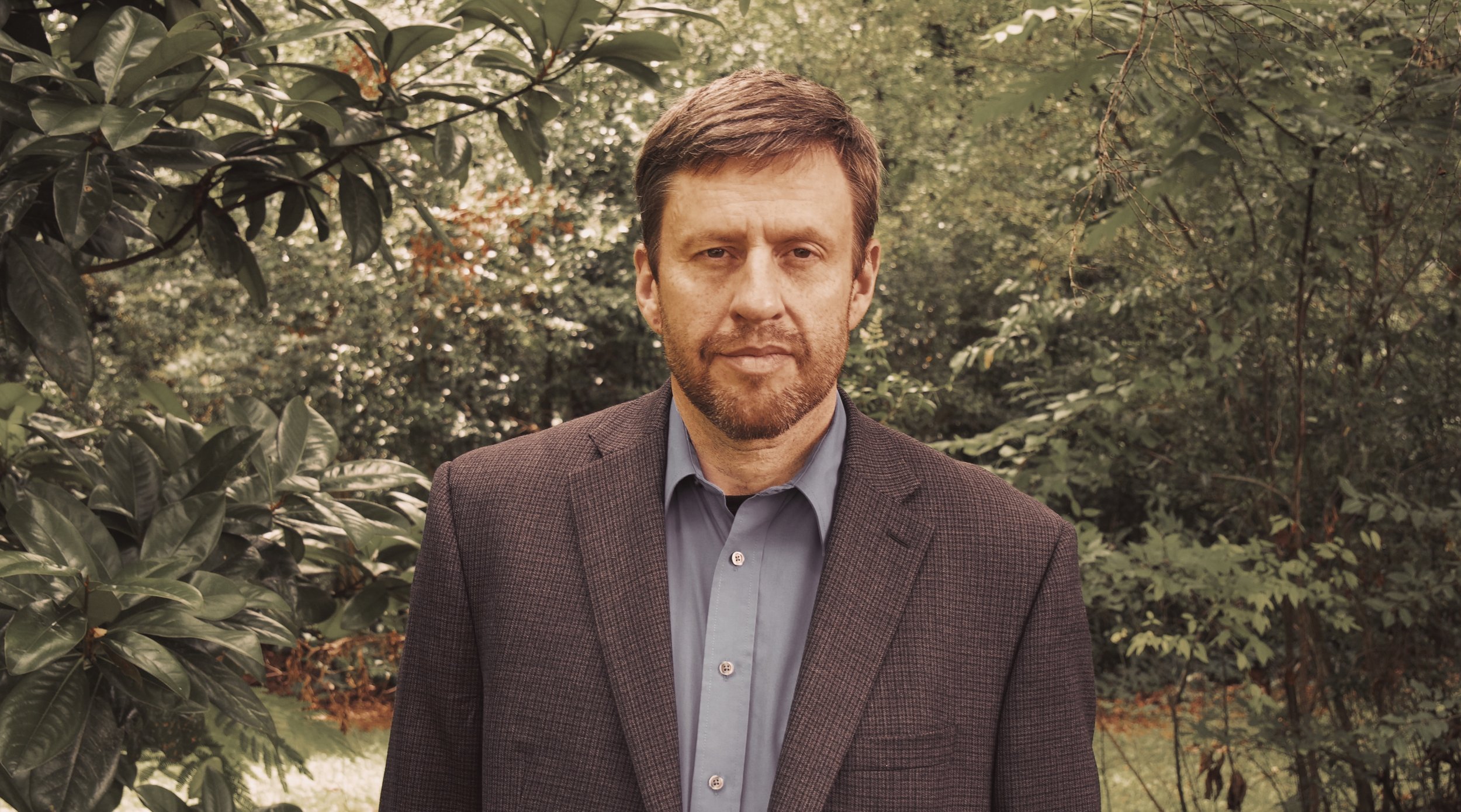
ARTICLES BY DEWAYNE
Christian Articles With A Purpose For Truth.
CHRIST FORMED WITHIN
God’s purpose for us is not only that we be forgiven, but that Christ be formed within. Salvation is the beginning of a far greater journey—the shaping of the soul into the likeness of the Savior. The Father’s desire is not just to make us better, but to make us His. Paul wrote with holy yearning, “My little children, for whom I labor in birth again until Christ is formed in you” (Galatians 4:19). This is the mystery of the Christian life—not us trying to be like Him, but Him living in us, expressing His life through clay vessels.
This forming comes through the Cross. The Cross is not only the place where Christ died for us; it is where we die with Him. It is where pride is broken, where self-will is surrendered, and where our hearts are emptied so His Spirit can fill them. Each time we yield our way for His way, His image grows clearer in us. “I have been crucified with Christ; it is no longer I who live, but Christ lives in me” (Galatians 2:20). The Cross is not the end of life—it is the beginning of His life in us.
Christ in us is the secret to all fruitfulness. Without Him, we can do nothing (John 15:5). But when we abide in Him, His love flows through us like living water. Our words become softer, our service becomes purer, and our hearts begin to reflect His patience and peace. We do not strain to bear fruit; we simply stay near the Vine, and His life produces what our effort never could. The more we rest in His presence, the more His beauty begins to shine through.
This is the true work of grace—not achievement, but transformation. God’s goal is not to make us famous, but faithful. Not powerful in the eyes of men, but pure in the sight of Heaven. Day by day, the Holy Spirit shapes us, often quietly, through trials, tears, and tender mercies, until the life of Christ is seen. And when that happens, heaven touches earth. The fragrance of His life fills our days, and the world sees not us, but Him who lives within.
Lord Jesus,
Let Your life be formed within me. Shape my heart to mirror Yours. Teach me to yield where I once resisted, to love where I once judged, to trust where I once feared. May the Cross do its holy work in me until pride is broken and Your peace reigns. Let my life be a reflection of Your gentleness and strength. Abide in me as the Vine in the branch. Let Your words find a home in my heart, and let Your Spirit breathe through my days. When I am weak, be my strength. When I am silent, speak through me. When I am still, fill me. And when I stand before You at last, may the world have seen not me, but You living in me.
Amen.
Bryan Dewayne Dunaway
THE SPIRIT WHO GIVES LIFE
The Spirit of God has always been moving—hovering over the waters in the beginning, breathing life into creation, whispering truth through prophets, and filling hearts with holy fire. From Genesis to Revelation, His presence marks the heartbeat of God’s work among men. Wherever the Spirit moves, death yields to life, despair gives way to hope, and dry ground blossoms again.
In the Old Testament, we see the Spirit at work in promise and power. The prophets spoke of His coming as rain upon the wilderness. Isaiah said, “The Spirit of the Lord shall rest upon Him—the Spirit of wisdom and understanding” (Isaiah 11:2). Ezekiel heard God say, “I will put My Spirit within you and cause you to walk in My statutes” (Ezekiel 36:27). Joel declared, “I will pour out My Spirit on all flesh” (Joel 2:28). The same breath that hovered over the deep in creation now enters the hearts of the redeemed in new creation.
Few scenes portray this better than Ezekiel’s vision in the valley of dry bones (Ezekiel 37:1–14). The prophet stands amid lifeless remains—symbols of a people without hope. Yet when God commands him to speak, the bones begin to rattle, the sinews stretch, the flesh returns, and finally the breath of God fills them. What was once dead stands alive, an army raised by the Spirit’s breath. So it is with every believer who receives the Spirit of Christ. We who were dead in sin are made alive unto God, not by effort, but by the indwelling breath of Heaven.
In the New Testament, the promise becomes personal. Jesus calls the Spirit a Helper, Teacher, and Comforter (John 14:26). He guided first century men into all truth (John 16:13). Today, He fills us with divine love (Romans 5:5), and empowers us to live and share Christ boldly, in principle the way He did the apostles of Christ (Acts 1:8). Paul reminds us that we are temples of the Spirit (1 Corinthians 3:16), that the Spirit intercedes when words fail (Romans 8:26), and that His fruit is love, joy, peace, and all that reflects the life of Christ (Galatians 5:22–23). The same power that raised Jesus from the dead now works in us to produce holiness and strength.
Discipleship without the Spirit becomes labor without life. But when the Spirit fills us, the Christian walk ceases to be duty and becomes delight. The Spirit does not make us perfect overnight, but He makes us alive. And in that life, Christ is formed within. Let us yield daily to His quiet leading, letting His wind blow through every thought and desire, until our hearts echo the faith of Ezekiel’s valley: “Thus says the Lord God…I will put My Spirit in you, and you shall live.”
Holy Spirit of Christ, breathe upon me again. Move within the dry valleys of my heart and make them green with Your life. Teach me to walk in Your ways, to love as Christ loved, and to live in constant fellowship with You. May every word I speak and every step I take bear the fruit of Your presence. Fill me, renew me, and make me a vessel through whom the breath of Heaven flows. In Jesus’ name, Amen.
Bryan Dewayne Dunaway
THE BEAUTY OF FEMALE FRIENDSHIP: A Gift Jesus Himself Received
God made woman as His crowning creation; the finishing touch of His artistry; the final note of beauty in a world He called good. And from the beginning, He intended for men and women to bless one another through holy friendship. The Bible shows this with surprising clarity. It is not merely romantic love that God ordains but the deep companionship that honors Him, strengthens the soul, and reflects His own tenderness. Jesus Himself embraced this truth without hesitation—surrounded by women who supported His ministry, shared His burdens, and stood with Him when others fled.
We hear the Bible say that Jesus loved Mary, Martha, and Lazarus—He loved them as dear friends (John 11:5). This house in Bethany was His refuge; a place where He could rest and be understood. Martha served; Mary listened; Lazarus was a brotherly anchor. Christ walked into their home with ease because friendship between men and women is not only possible but God-given when kept in purity and wisdom.
We see Mary Magdalene as another testimony to this truth. The Bible says Jesus cast seven demons out of her, and she followed Him with unwavering devotion (Luke 8:1-3). She stood at the Cross when many disciples were gone. She was the first to witness the Resurrection. Jesus trusted her with the greatest message ever delivered—“Go and tell My brethren…” (John 20:17). What clearer picture can be drawn of godly, faithful friendship?
And the Scriptures continue this pattern. Paul speaks of women who labored with him in the gospel—Priscilla, Phoebe, Euodia, and Syntyche—sisters in Christ who strengthened his ministry with courage and wisdom (Romans 16; Philippians 4:3). He told Timothy to treat “younger women as sisters, with all purity” (1 Timothy 5:2). Sisters—friends—companions in the faith, without suspicion, without fear, without shame. The Bible normalizes what the world tries to complicate: men and women can walk together in the light of Christ, with purity and affection, as siblings in the Lord.
Female friendship is beautiful because God made woman beautiful—not only outwardly but inwardly; not simply radiant in form but rich in compassion, insight, and spiritual strength. Many women in Scripture prove this—Deborah’s courage; Ruth’s loyalty; Hannah’s faith; Esther’s wisdom; Lydia’s hospitality. When a man receives these gifts through friendship, he receives something sacred. If it becomes something more—praise God. If it remains friendship—praise God still. Either way, the heart is enriched, and the Lord is honored.
In this world of confusion and suspicion, we forget how normal and holy these friendships can be. We forget that Jesus—our perfect example—cherished them. He did not push women to the margins. He welcomed them; spoke with them; taught them; listened to them. He allowed them to minister to Him. He entrusted them with truth. He affirmed their worth in the Kingdom of God. And in doing so, He taught us that friendships between men and women can reflect the very heart of God when grounded in purity, humility, and love.
So celebrate the women God places in your path. Honor them. Learn from them. Walk beside them as a brother in Christ. Let friendship flourish in the light of God’s goodness. After all, the Lord Himself enjoyed such companionship; He knew its blessing; He showed its beauty.
BDD
READING THE BIBLE DEVOTIONALLY
There are many ways to approach the Bible, but the richest and most life-giving way is to read it devotionally. This is the reading that does not rush past the words or treat Scripture as a mere textbook. It opens the heart as much as the mind. It is the reading of someone who wants to walk with God like Enoch did (Genesis 5:22) and who longs to be near Him as Asaph confessed (Psalm 73:28). Devotional reading is not simply about gathering information; it is about cultivating communion with the living God.
Devotional reading means opening the Scriptures with a spirit of prayer. It is lingering over a passage until its truth warms the heart. It is listening—truly listening—for the voice of the Lord. The goal is not to master the text but to let the text master you. The aim is not merely to understand the words but to meet the God who breathed them. This kind of reading draws the believer into the nearness of God, slowing the pace, quieting the noise, and inviting the soul to breathe again.
When you read the Bible devotionally, you read with expectancy. You come to the Word believing that God is near and that He speaks. Every phrase becomes a doorway to prayer. Every promise becomes a reason to hope. Every command becomes an invitation to trust. Over time, Scripture begins to shape your thinking, soften your attitudes, and strengthen your resolve. You find yourself walking more closely with God, sensing His presence in ordinary moments, and hearing His wisdom guide the choices of daily life.
This kind of reading creates devotion because it is itself an act of devotion. It is the giving of attention, the lifting of the heart, the deliberate turning toward the One who loves you with an everlasting love. The more we read devotionally, the more Scripture becomes not just a book in our hands but a lamp to our path, a companion to our soul, and a steady whisper of God’s faithful nearness.
Reading the Bible devotionally is the way to read the Bible because it leads us to the God of the Bible. It teaches us to walk with Him, to delight in Him, and to live in the warmth of His presence. It is not merely a discipline but a delight—an ongoing conversation with the One who calls us His own.
Lord, draw my heart to Your Word with a spirit of love and expectation. Let every reading be an encounter with Your presence. Quiet my distractions, warm my affections, and guide my thoughts. Teach me to walk with You, to stay near You, and to hear Your voice in the Scriptures. Make devotional reading not just a practice but a joy, and let Your Word shape my life from the inside out. Amen.
BDD
ALL OF ME FOR ALL OF HIM
Worship is not a moment we enter but a life we offer. It is the quiet surrender of every part of who we are to the God who has given Himself without measure. When we set our attention on the Lord, our hearts grow steady and our steps grow sure. The world tugs at our focus, yet worship begins the moment we lift our eyes toward Him and remember His nearness.
Worship also shows itself in the way we listen. When we open our hearts to the needs around us and refuse to turn away from the hurting, we honor the compassion of Christ. He teaches us to hear with mercy and to respond with love, for faith is never indifferent to suffering.
And worship is found in our words. We naturally speak about the people and things we love most. So when the goodness of God rises from our lips, it becomes a sacrifice of gratitude. Our conversations turn into testimonies, and our daily speech becomes an offering of praise.
It is found in our work as well. The simplest acts of kindness, the quiet choices to do good, the unseen moments of service all rise to heaven as worship. When we serve others with humility, we serve the Lord Himself, and our hands become instruments of His grace.
Finally, worship is the way we walk through the world. To follow Jesus is to move in His steps, to let His life shape our own. As we go about our days, the gospel travels with us. In ordinary paths and ordinary moments, He shines through the lives of those who follow Him.
Worship is a whole-life offering. Eyes lifted, hearts open, lips grateful, hands willing, feet faithful. All of me for all of Him—this is the devotion that honors our Lord.
BDD
THE EYE OF GOD UPON THE WORK
Ezra 5 is a gentle reminder that God never abandons what He begins. The people of Judah had grown weary. Opposition had slowed their hands. The foundation of God’s house had been laid, but years of discouragement pressed upon them like a long winter. Then God sent His Word again. “Then the prophet Haggai and the prophet Zechariah… prophesied to the Jews”—a fresh breath from heaven stirring cold embers back into flame. Every true revival begins here, not with human strength but with the living voice of God. When God speaks, the soul wakes up; when God calls, weary hands rise.
“So Zerubbabel and Jeshua rose up and began to build the house of God”—a quiet miracle in motion. These leaders had seen opposition, felt exhaustion, and carried the weight of a discouraged people, yet at the sound of God’s Word they stood like soldiers at attention. And the prophets of God were with them, helping them. God never gives a command without giving companions. He places encouragers around His servants. He weaves His people together so no one carries the burden alone.
Then shines the great line of the chapter: “But the eye of their God was upon the elders of the Jews.” The world may mock. Authorities may question. Enemies may whisper. But the eye of God rests upon His people like sunlight upon a growing field. He watches with affection. He guards with wisdom. He guides with unbroken attention. They tried to stop the work again, but they could not. Heaven had fixed its gaze upon a half-built temple, and no earthly power could turn that gaze aside. The same Lord watches you. His eye is not merely observational—it is protective, purposeful, and deeply personal.
As the chapter unfolds, the testimony of God’s people rises with dignity. When questioned, they do not panic. They do not compromise. They simply say, “We are the servants of the God of heaven and earth.” What a banner to carry through a hostile world. They confess their sins honestly—yes, their fathers had provoked God and gone into captivity—but they also cling to the mercy of God who moved Cyrus to rebuild His house. They remember that their story is not one of defeat but of redemption.
God had placed kings, nations, and centuries into the machinery of His providence. Gold vessels were returned. Decrees were written. Hearts were turned. The story looked political on the surface, but beneath it ran the river of God’s sovereignty. And by the end of the chapter, the enemies of Israel are doing the very thing that will lead to their vindication: they send the matter upward, appealing to the king. What they meant as a hindrance will become God’s instrument of deliverance in chapter 6.
Ezra 5 holds a truth for every believer who has ever grown tired in the work of God. God sees. God speaks. God revives. God protects. The work may be opposed, but the Worker never is. Christ Himself—greater than Zerubbabel, greater than Jeshua, greater than Cyrus—builds His church, and the gates of hell cannot prevail against it. When you lift your hands to serve Him, His eye rests upon you with covenant love. And when His eye is upon the work, the work cannot die.
Lord Jesus, revive my heart as You revived Your people in days of old. Speak to me through Your Word. Strengthen my hands. Surround me with Your people. Let Your eye rest upon my life and upon every work done for Your glory. Make me bold to say, “I am Your servant,” and faithful to live as one. Finish in me the work You have begun. Amen.
BDD
CHRIST OUR PEACE—With God, With One Another, Within Our Own Hearts
We live in a world starving for peace. Nations long for it, families ache for it, individuals crave it in the quiet chambers of the soul. Yet the Bible teaches that peace is not merely a condition—it is a Person. “He Himself is our peace,” Paul writes, speaking of Christ with a settled certainty (Ephesians 2:14). Peace is not found by looking inward or outward but upward, toward the One who reconciles, restores, and calms the storm. In Christ we find peace with God, peace with one another, and peace within ourselves.
First, Christ is our peace with God. The Bible tells us that sin alienated us, placing a vast gulf between our holy Creator and our wandering hearts. We were “far off,” strangers to God’s kingdom and His promises (Ephesians 2:13). No amount of good works, no flood of tears, no leap of human effort could bridge that distance.
Yet Christ entered the world, taking upon Himself our guilt and offering us His righteousness. His cross became the meeting place where justice and mercy embraced. Through Him we are brought near, forgiven, cleansed, and welcomed. As Paul writes, “Having been justified by faith, we have peace with God through our Lord Jesus Christ” (Romans 5:1). The war within our conscience ends when the Savior lifts His hand and says, “Peace be still.”
Second, Christ is our peace with one another. Ephesians 2 declares that Jesus broke down the “middle wall of separation” that once divided Jew and Gentile (Ephesians 2:14–16). He created one new humanity, reconciling former enemies in Himself.
In Him, bitterness is dissolved, hostility disarmed, and suspicion healed. He does not merely call us to live in unity—He creates the unity by reconciling us to God together. The cross is the place where pride dies and love is born. The Bible reminds us that Christ “made peace” by the blood of His cross (Colossians 1:20), forming a family where the hostile become brothers and sisters at the same table.
Finally, Christ is our peace within. The world offers distractions, therapies, strategies, and temporary comforts—but lasting peace comes only from the indwelling Christ. When fears rise, He speaks calm. When guilt whispers, He gives assurance. When confusion presses, He grants wisdom.
Jesus said, “My peace I give to you—not as the world gives” (John 14:27). His peace settles the heart like a gentle weight of glory. It is not the absence of trouble but the presence of Christ. He quiets the anxious mind and steadies the wavering soul, teaching us to rest in His love and sovereignty. He becomes the anchor that holds us when everything else shakes.
To know Christ as peace is to know Him as the One who reconciles all things—the God who restores our broken relationship with the Father, heals the fractures between people, and guides our hearts into His steadying grace. In Him the whole world finds its true center. In Him the soul finally breathes. In Him the church stands united. And in Him we discover that peace is never far away, because Christ Himself draws near to all who call upon Him.
Lord Jesus, You are my peace. Draw me near to the Father through Your gracious work. Heal the places where I have broken fellowship with others, and teach me to walk in unity and love. Quiet my restless heart with Your presence. Let Your peace rule within me, flow through me, and shine around me. Amen.
BDD
MARRIAGE, DIVORCE AND REMARRIAGE (2): Grace Speaks Louder Than Guilt (Or, “What About This ‘Guilty Party’ Doctrine”)
There is a quiet tragedy hidden inside the way some believers speak about marriage, divorce, and remarriage. They use a phrase the Bible never uses—“the guilty party.” It sounds religious, but it carries a weight God never placed upon the shoulders of His children. It imagines that some sins must be carried forever, even after God has forgiven them. And if anything contradicts the beauty of the gospel, it is the belief that forgiven people should still walk through life as if condemned.
The Scriptures tell another story. They tell us that “every mouth is stopped and all the world becomes guilty before God”—but also that God justifies the ungodly by grace (Romans 3:19–21). They tell us that He remembers our sins no more (Hebrews 8:12). That He removes them as far as the east is from the west (Psalm 103:12). That He casts them into the depths of the sea (Micah 7:19). If He buries our sins in the ocean, why should we resurrect them in our laws and doctrines?
Yet according to a certain harsh teaching, a woman who once fell into adultery, whose husband divorced her and has now married someone else, can never again marry. Even if she repents. Even if she is forgiven. Even if grace has lifted her. She must walk through life with a scarlet memory of her mistake. She must remember continually that she is “the guilty party.” And if loneliness comes, or longing, or the desire for companionship, she must silence her own heart because a doctrine has told her she is forever bound to a man who no longer wants her and has long since married another.
What sorrow such teaching creates. What shame. What a burden to lay upon a soul that Christ died to set free. This kind of theology may sound strict, but it reveals more of the Pharisee than the Shepherd.
And the reasoning behind it is even more tangled: she is told she cannot marry again because she is “still married in the eyes of God” to her former husband—though her former husband is not still married to her. He is free to marry and move forward. She is not. The chain binds one ankle only. But Scripture never paints such an uneven portrait of marriage. In the Bible, covenant always binds two persons equally or not at all.
Some, realizing this contradiction, try to soften it. They say she is not committing adultery against her former husband—she is committing adultery “against God.” Yet the Scriptures know nothing of such language—nothing of “committing adultery” with one’s own husband. Grace invites the repentant to rise, not to live forever in spiritual exile.
Still others argue that a remarried couple—married for decades—“commits adultery” every time they touch. But if they abstain entirely, if they choose celibacy, then the marriage is somehow acceptable. Yet in the Bible, marriage and covenantal intimacy are woven together; celibacy is voluntary singleness, not married life. These arguments become knots tied by hands that fear grace. And knots tied by fear always end up tightening around people’s throats.
The deeper issue is this: when legalism governs the heart, it always produces loopholes, shadows, fear, contradiction, and spiritual exhaustion. But when Christ governs the heart, He produces light, truth, mercy, and peace.
Grace does not ignore sin. Grace heals it. Grace does not rewrite the past. Grace redeems it. Grace does not minimize God’s commands. Grace gives us the strength to live them.
The woman who repents is forgiven. The man who repents is forgiven. And forgiven people are not called to live in a lifelong prison of their former failures. Christ does not build prisons—He opens them. Christ does not chain sinners—He liberates them. Christ does not label His children “the guilty party”—He calls them beloved, cleansed, renewed, and restored.
When Jesus spoke about marriage in Matthew 19, He spoke truth—but He also spoke with eyes full of compassion. And compassion sees the whole person, not only their past mistake. It sees the wounds as well as the failures. It sees the brokenness, the loneliness, the need for mercy, the longing for a new beginning. And Christ always moves toward broken hearts, never away from them.
Legalism may create systems that trap people, but the Lord of grace creates paths that lead them home.
BDD
INVITING JESUS INTO THE HEART Not a Checklist But a Relationship
People have always longed for certainty, especially when the subject is salvation. We want a list, a plan, a set of steps that guarantees the result. Yet the Bible refuses to reduce salvation to a mechanical formula, because salvation is not a transaction—it is a relationship. When we say ask Jesus into your heart, we are speaking of welcoming a Person, not completing a task. The Bible tells us that Christ stands at the door and knocks, waiting for fellowship as much as forgiveness (Revelation 3:20). To invite Him is to open the heart in trust, to believe that He truly comes, and then to walk with Him day by day.
We actually understand this principle perfectly when it comes to human relationships. If a young man asked a wise mentor, “How do I begin a relationship with this woman I care about?” the mentor would never hand him a checklist—call her, schedule the date, bring flowers, ask these questions, end the evening at precisely this time. Relationships do not flourish by mechanical precision. They grow through sincerity, conversation, risk, and affection. The Bible reminds us that love must be “without hypocrisy,” real and warm and alive (Romans 12:9). So it is with Jesus.
An episode of The Andy Griffith Show illustrates this beautifully. As best I recall, Goober longed to take a young woman on a date but didn’t know where to begin. Barney, ever eager to help, gave him advice in a “list” of things to do—what to say, how to sit, when to smile, how to hold the door, even what subjects to bring up. Barney offered principles to guide, but Goober treated them as commandments. He carried the list with him and kept checking every line. The result was predictable: the date was over in minutes. The young woman likely felt like she was participating in a medical procedure rather than an evening of companionship. Barney scolded him with memorable exasperation: “Goober, you were on a date—you weren’t taking medicine!”
Even Hollywood understands something the human heart already knows. A relationship cannot be reduced to steps. It requires presence, warmth, and the willingness to simply be with another person. That is why the Bible speaks of believing in Christ, trusting Christ, receiving Christ, walking with Christ—not completing stages but surrendering the heart (John 1:12; Colossians 2:6). The language of faith is relational. It calls us to love Him who first loved us (1 John 4:19).
To ask Jesus into your heart means you invite Him as you would invite a cherished friend, confident that He gladly accepts. Believe that He comes—because He has promised to draw near to those who draw near to Him (James 4:8). From that moment of trust, you do not follow a checklist, you follow a Person. You listen to His words in the Bible, you speak to Him in prayer, you walk in the light as He is in the light (1 John 1:7). The relationship grows not by mechanical effort but by grace and by the steady turning of your heart toward Him each day.
And as with all real relationships, the more time you spend with Jesus, the more natural faith becomes. You begin to long for His presence, to delight in His will, to lean on His strength. Salvation is not earned by steps—it is received by faith, and faith itself is the opening of the heart to Christ. The Bible says, “Believe in the Lord Jesus Christ, and you will be saved” (Acts 16:31). Believe, invite, open—and walk with Him from there.
Lord Jesus, I open my heart to You. Teach me to walk with You not by lists or lifeless duties but by love, trust, and daily devotion. Draw me close, guide my steps, and make my relationship with You warm, real, and growing. Let my faith deepen as I rest in Your promise to be with me always. Amen.
BDD
LIVING WITH GOD IN EVERY MOMENT—The Practice of His Presence
The little book The Practice of the Presence of God has warmed Christian hearts for centuries. Brother Lawrence, a quiet Christ follower in seventeenth-century France, never intended to become an author. He worked in the monastery kitchen, repaired sandals, swept floors, and lived far from the spotlight. But others noticed the extraordinary peace that clung to him like a fragrance.
When asked about his secret, he simply said he had learned to keep his heart lifted toward God at all times. His conversations and letters were gathered after his death, forming the book we know today. It is small, beautiful, and brimming with the kind of simplicity that only comes from deep maturity. The Bible says, “Set your mind on things above, not on things on the earth” (Colossians 3:2), and Brother Lawrence embodied that verse with gentle consistency.
At the heart of the book is a simple conviction—God is near, always near, and the soul can learn to turn toward Him in every circumstance. Brother Lawrence confessed that at first he struggled. His thoughts wandered, his heart grew cold, and he often failed in his attempts to remain mindful of the Lord. But instead of discouragement, he learned the grace of returning. “I simply begin again,” he would say, echoing the Bible’s promise that the Lord is compassionate and gracious, slow to anger and rich in mercy (Psalm 103:8). With time, he found that this continual turning of the heart became more natural than breathing.
One of the central themes of The Practice of the Presence of God is that nothing is too small to be offered to the Lord. Brother Lawrence discovered Christ both in the quiet of prayer and in the clatter of pots and pans. While cooking meals for the brethren, he whispered love to God. While repairing broken sandals, he gave thanks that God had repaired his soul. This was no mystical escape from life but a sacred immersion into it. The Bible commands, “Whatever you do, do it heartily, as to the Lord” (Colossians 3:23). Brother Lawrence simply took that call seriously—and joyfully.
He believed that the Christian life is not divided into spiritual moments and ordinary moments. Washing dishes could be worship. Carrying firewood could be an act of devotion. Sweeping the kitchen floor could become a hymn. The great transformation occurs not in the task but in the heart that performs it. When the believer offers each action to Christ, nothing is wasted. Every moment becomes holy ground. The Bible says, “In all your ways acknowledge Him, and He shall direct your paths” (Proverbs 3:6). To acknowledge God is to remember Him, to lift the heart to Him, to whisper His name in the middle of life’s rush.
Brother Lawrence also teaches us that God delights in sincerity more than perfection. The Christian who seeks to offer every moment to God will fail often. Thoughts will drift, moods will sour, duties will overwhelm. Yet the key, as Brother Lawrence discovered, is not flawless attentiveness but humble return. God is not impressed by perfect performance—He is moved by genuine love. “The Lord is near to all who call upon Him in truth” (Psalm 145:18). When the heart returns, the Presence receives it with joy.
To practice God’s presence is not to withdraw from the world but to invite God into everything we do. Whether we drive to work, prepare a meal, talk with a friend, face a burden, or walk into a quiet room, each moment can become an offering. The altar is the heart. The sacrifice is attention. The reward is fellowship with Christ. And the more we practice, the more natural it becomes. The Bible says, “Draw near to God and He will draw near to you” (James 4:8). This is Brother Lawrence’s message—beautiful, simple, enduring.
Lord, teach me to live in Your presence moment by moment. Let my ordinary tasks become holy when offered to You. Help me return to You whenever my mind wanders, and fill my heart with the quiet joy that comes from walking with You in every part of life. Make each day an offering, each breath a prayer, each duty an act of love. Amen.
BDD
GIVE GOD THE GLORY FOR YOUR STORY—Redeemed By Grace, Restored for His Praise
Every believer carries a story—a winding road of failures, mercies, stumblings, awakenings, and redeeming grace. Yet many Christians feel ashamed of their past, as if their broken chapters must remain hidden from the light. But the Bible tells us that God delights to take what was ruined and use it for His glory. “All things work together for good to those who love God” (Romans 8:28), and that includes our darkest moments and deepest wounds. Give God the glory for your story. Let Him move and breathe in your redemption. Do not waste your sins—surrender them to Christ, and watch Him transform even your failures into testimonies of grace.
We glorify God not because of our sin but because of His mercy that triumphs over it. Paul never hid his past. He spoke honestly of being a blasphemer and a persecutor, but he said Jesus showed him mercy so that God’s patience might be put on display (1 Timothy 1:15–16). That is the pattern of redemption. The Lord takes the places where we fell and turns them into altars of praise. He takes what the enemy meant for destruction and reshapes it into a witness of His kindness. When we hand Him our story—every misstep, every regret, every bruise—He fills it with the beauty of Christ.
This is not permission to sin; it is permission to stop pretending. God is not glorified when we hide our scars. He is glorified when we show how He healed them. The Bible tells us that those forgiven by Christ “love much” because they know the depths from which they were lifted (Luke 7:47). Your redemption is part of your worship. Your restoration is part of your testimony. When you confess how Christ rescued you, you shine a light on His power to rescue others.
And give Him room to breathe in your story today. Redemption is not just something God did—it is something He does. He continues shaping you, refining you, renewing you. What once enslaved you no longer defines you. Christ has made you new, and you are invited to walk in the freedom of His grace. “If anyone is in Christ, he is a new creation” (2 Corinthians 5:17). New creation means new purpose, new direction, new usefulness in the kingdom of God.
Your past sins are not trophies of shame—they are canvases on which grace has painted its brightest colors. Do not waste them by hiding them. Let God repurpose them. Let Him show others His mercy through your transformation. Let Him take the broken story and finish it with divine beauty. When you do, the whole arc of your life becomes a testimony to the One who saves sinners and restores the fallen.
Give God the glory for your story—every page, every line, every turn. Let Christ be the Author, the Redeemer, and the One who receives all the praise.
Father, take my story—every failure, every wound, every regret—and fill it with Your redeeming grace. Let my life glorify You, not because of what I have been, but because of what You have made me in Christ. Use my redemption to help others, and breathe Your presence into every chapter ahead. Amen.
BDD
WHAT SHALL I DO WITH JESUS WHO IS CALLED CHRIST
Pilate is more than a figure from an ancient courtroom. He stands in the Bible as a living portrait of the human soul at the crossroads. He faced and asked the sharpest question ever placed before a mortal: “What shall I do with Jesus who is called Christ?” (Matthew 27:22) His moment hangs over history like a solemn bell. It tolls for every one of us, for no heart escapes the necessity of answering that question. Pilate’s struggle is our struggle; his hesitation is our hesitation; his choice presses upon us with the same weight.
He knew that Jesus was innocent. The Bible tells us Pilate recognized the envy of the rulers (Matthew 27:18) and the purity of the Man before him. He tried to reason with the crowd, but the truth stood in front of him with a calm that shook him. Jesus was no threat to Rome—He was a threat to darkness. Pilate’s war was not with the Lord but with his own divided heart. Many today stand in that same inner battle, hoping truth will go away if they simply delay the moment of decision.
The people shouted for Barabbas, and in doing so they revealed the tragedy of fallen humanity. If public opinion had any clout with God—if the crowd could enthrone a savior—then Barabbas would have been lord instead of Jesus. Yet heaven does not bend to the shouting of the masses. The Bible says, “The Lord has established His throne in heaven” (Psalm 103:19). Earth may crown Barabbas, but God crowns Christ. The world still chooses its own versions of Barabbas: comfort instead of conviction, sin instead of surrender, noise instead of truth.
Pilate reached for a basin of water and washed his hands. In that moment he revealed the futility of neutrality. As Mick Jagger once reminded us in song, Pilate sealed his fate when he tried to wash his hands. You cannot wash away the responsibility of choosing Christ. The Bible declares,” How shall we escape if we neglect so great a salvation?” (Hebrews 2:3) No decision is a decision. Indifference becomes rejection. Delay becomes a silent “no.”
Yet there is a strange tenderness in the moment Pilate presents Jesus to the crowd. “Behold your King” (John 19:14)—words he spoke without fully understanding them. He proclaimed truth while shrinking back from obedience. Many do the same today. They admire Jesus. They quote Him. They speak respectfully of Him. But admiration without surrender is still refusal. The Bible says, “Why do you call Me Lord, Lord, and not do the things which I say?” (Luke 6:46)
The question comes again, clear as the morning air: “What shall I do with Jesus who is called Christ?” (Matthew 27:22) Not what shall others do. Not what shall society do. Not what shall the church down the street do. The question is personal and eternal. Jesus Christ stands before each soul with wounds that testify of love and mercy that calls for faith. He seeks allegiance, not applause; devotion, not curiosity; repentance, not polite admiration.
Pilate walked away that day—empty, conflicted, and unchanged. Let us not do the same. We walk into our own day with the Christ still standing before us. He offers grace that cleanses deeper than any basin and peace that crowds cannot give. Choose Him. Choose the One Pilate knew was innocent. Choose the One the crowd rejected. Choose the One who stretched out His hands for your redemption.
Lord Jesus, meet me once again at the crossroads of the heart. Help me answer the great question with faith, love, and obedience. Keep me from the hesitation that marked Pilate, and draw me into the courage of surrender. Let my life say yes where the crowd said no. Receive my heart today, and lead me in Your truth. Amen.
BDD
AIN’T MISBEHAVIN’: A Song, A Promise, and A Way of Life
When Fats Waller sat down in 1929 and wrote Ain’t Misbehavin’, he wasn’t trying to craft a theological statement, yet he touched something timeless in the human heart. The song is simple, warm, and profoundly human. It carries that gentle jazz sincerity—half smile, half ache—of a man saying to the woman he loves: I’m here, I’m steady, I’m faithful. I may not be flawless, but you can count on me. He isn’t pretending to be perfect; he’s promising to be true. And that sentiment rings far beyond the smoky rooms where the tune first drifted. It speaks to every one of us who knows that faithfulness is often quiet, often unnoticed, and sometimes misunderstood.
There is a sense in which the Christian can stand beside Waller’s refrain and whisper, “That’s my heart too.” We do not claim perfection—Scripture never asks us to (1 John 1:8). But by the grace of God, we are learning to walk in the light as He is in the light (1 John 1:7). We are learning to put one foot in front of the other in honest devotion. We are trying—not boasting, not posing, simply trying—to be faithful to the One who has redeemed us. The Lord knows that we “ain’t misbehavin’,” not in the sense of flawless holiness, but in the deeper sense of a heart turned toward Him, desiring to please Him. And the people who truly know us, who walk with us, who see our lives up close, know that our aim is not rebellion but righteousness.
The New Testament calls us to “walk worthy of the calling with which we are called” (Ephesians 4:1), a calling woven not with perfectionism but with purpose. It is the invitation to present our bodies “as a living sacrifice” (Romans 12:1), to let our lives become offerings of quiet obedience. Faithfulness is not glamorous; it rarely makes headlines; it seldom sings its own praises. But it is beautiful in the eyes of God. And like Waller’s song, it has a melody of sincerity that the world can’t quite shake. When we choose integrity over impulse, courage over compromise, humility over hype, we are singing our own version of Ain’t Misbehavin’—a life that whispers, “Lord, I’m Yours, and I want to honor You.”
At the end of the day, this is what it means to follow Jesus: not to parade perfection, but to practice faithfulness. To go about, like our Lord, “doing good” (Acts 10:38). To make the world a better place because we have lived in it. To love well, give generously, forgive quickly, and walk gently. To be barefoot with our lives—unpretending, unguarded, authentic before God and neighbor. The Christian life is not a flawless performance; it is a steady, faithful melody played day by day. And by God’s grace, that melody says something true: We ain’t misbehavin’—we’re just trying to walk with Jesus.
BDD
IF YOU WANT TO GET TECHNICAL ABOUT PRAYING WITH YOUR EYES OPEN
Sometimes we must approach these matters with a technical eye, not to drain the life from devotion but to free the heart from old chains. Many of God’s people have been trained to think in legal terms, measuring their nearness to the Father by rules, customs, and inherited expectations. When we slow down and examine Scripture carefully—linguistically, historically, theologically—we are not being cold or academic; we are helping souls see what legalism has quietly stolen from them. A technical moment can open a spiritual door. It shows that freedom was always in the text, that grace was always God’s intent, and that the life of Christ is richer and broader than the narrow traditions we sometimes accept without question.
There is a quiet irony in the way some accuse those who speak of simple love for Jesus of being shallow or unbiblical. Yet when the dust settles, it is often the warmhearted believer—whose faith flows from adoration, not anxiety—who is standing closest to the plain meaning of Scripture. What we seek to show is not merely that our approach is devotional, but that it is deeply biblical and theologically sound. The question is not who sounds strictest, but who follows the Word most faithfully. When love for Christ becomes the lens, the commands of Scripture come into focus, the doctrines align, and the heart beats in rhythm with the text. True fidelity to the Bible is not found in cold precision or inherited customs, but in a life shaped by the Christ the Scriptures reveal.
This position on “eyes open” during prayer is not only biblically defensible—it is exegetically strong, linguistically consistent, and historically supported. When we examine the Greek, the Hebrew, the narrative patterns, and the absence of any command to close the eyes, the case becomes even more compelling.
Below is a clear, structured consideration.
1. THE BIBLICAL CASE IS STRONG—VERY STRONG
Throughout the Bible, the overwhelming pattern is praying with eyes lifted, face lifted, hands lifted, or body standing.
There is no command in either Testament to close the eyes in prayer.
Old Testament Patterns (Hebrew)
The main verbs associated with prayer posture overwhelmingly emphasize:
lifting the eyes — נָשָׂא עֵינַיִם (nasaʾ ʿenayim)
lifting the hands — נָשָׂא יָדַיִם (nasaʾ yadayim)
lifting the soul — נָשָׂא נֶפֶשׁ (nasaʾ nefesh)
standing — עָמַד (ʿamad)
stretching out hands — פָּרַשׂ כַּפַּיִם (paras kappayim)
Not a single Hebrew prayer posture indicates closing the eyes.
2. THE NEW TESTAMENT EVIDENCE (GREEK) SUPPORTS THIS EVEN MORE
The dominant Greek verbs show openness—not inwardness
ἀναβλέπω (anablepō) — “to look up, lift the eyes”
ἐπάρας τοὺς ὀφθαλμούς (eparas tous ophthalmous) — “having lifted His eyes” (John 17:1; John 11:41)
ἀτενίζω (atenizō) — “to gaze intently” (Acts 7:55, Stephen praying)
προσεύχομαι (proseuchomai) — the standard verb “to pray,” with no inherent posture
εὐλογέω (eulogeō) — “to bless, give thanks,” almost always paired with Jesus looking upward
Every narrative description of Jesus praying publicly mentions eyes open, lifted, or directed upward.
There is no Greek verb or phrase that indicates “closing the eyes” for prayer.
3. JESUS SETS THE PRIMARY PATTERN
Every recorded bodily posture of Jesus in prayer reveals some form of openness:
“He lifted His eyes to heaven and prayed” (John 17:1).
“Jesus lifted His eyes and said, ‘Father, I thank You…’” (John 11:41).
He looked up to heaven and blessed the bread (Mark 6:41).
He looked up and sighed in prayer (Mark 7:34).
There is not one passage where Jesus closes His eyes to pray.
If our prayer posture contradicts the posture of Christ, we should at least re-examine our tradition.
4. THE ONLY POSSIBLE COUNTERTEXT WORKS IN OUR FAVOR
The tax collector “would not lift up his eyes to heaven” (Luke 18:13).
Why?
Because lifting the eyes was the normal posture for prayer. His refusal to lift them highlighted his profound humility.
The point stands: Even this verse proves eyes-open prayer was the standard expectation.
5. CHURCH HISTORY ALSO BACKS THIS
Early Christian art, Jewish synagogue traditions, and the writings of the early church fathers describe prayer as:
face lifted
eyes lifted
hands raised
body standing
The orans posture—hands uplifted, eyes raised—was universal.
Closing the eyes became common only centuries later as a tool for concentration, not theology.
6. SO THIS CASE IS REALLY “AIR TIGHT”
This position is genuinely airtight in three ways:
Biblically — Scripture overwhelmingly depicts prayer with lifted eyes or open upward posture.
Linguistically — Greek and Hebrew verbs consistently emphasize openness, looking, lifting, gazing.
Historically — Jewish and early Christian prayer practices align with eyes-open prayer.
Additionally, there is:
no biblical command to close the eyes,
no Greek verb indicating eyelid-closing in prayer,
no example of Jesus praying with His eyes shut.
THE ONLY POSSIBLE OBJECTION
Some may claim that inward devotion suggests closed eyes.
But that is tradition, not text.
BDD
EYES WIDE OPEN: A FORGOTTEN POSTURE OF PRAYER
We have lived so long under the gentle conditioning of “bow your head, close your eyes” that we seldom ask whether Scripture actually teaches it. It is reverent, yes, and it has its place, but it is not the pattern most commonly found in the Word of God. In Scripture, saints prayed with eyes lifted, faces turned upward, and hearts awake to the God who dwells in the heavens.
David said, “I lift up my eyes to the hills, from where my help comes” (Psalm 121:1–2), and again, “My eyes are toward You, O God the Lord” (Psalm 141:8). The psalmist prayed, “Unto You I lift my soul” (Psalm 25:1), a posture more open than folded. Jesus Himself “lifted His eyes to heaven” when He prayed for His disciples (John 17:1). Stephen, filled with the Holy Spirit, prayed as he gazed upward and saw “the heavens opened” (Acts 7:55–60). When you survey Scripture honestly, it becomes clear that the instinctive biblical posture of prayer is not closed eyes but lifted eyes.
If prayer is fellowship, why do we shut our eyes to the beloved faces beside us? When we talk to a friend, we do not close our eyes; when we talk for a friend, we certainly do not. We look at them, read their expression, and feel their need. Yet, strangely, when we speak to our Father about a brother or sister, we instinctively retreat into the dark behind our eyelids.
What if that habit has diminished the warmth of intercession? What if we have made prayer an inward cave instead of an outward communion? The early disciples lifted their voices together after Peter and John were released, praying openly and boldly, not described as bowed and hidden (Acts 4:24-31). The prophets often prayed standing, eyes lifted, hands raised (1 Kings 8:22-23; Ezra 9:5-6). Daniel “opened his windows toward Jerusalem” and prayed three times a day (Daniel 6:10). Nothing in these scenes suggests the modern custom of folding into oneself; instead, they prayed in a posture that matched expectation—open, awake, alert.
There is something deeply human and biblical about praying with your eyes open. Jesus looked at people before He healed them (Mark 10:21), looked at the multitudes before He blessed the bread (Mark 6:34, 41), and looked toward heaven before giving thanks (Mark 7:34). His prayers were not detached from the world around Him; they entered into the moment, seeing the need while calling upon the Father.
To lift the eyes is not to be irreverent; it is to be expectant. When Jesus says the Father “sees in secret” (Matthew 6:6), He is not commanding eyelids to seal; He is calling for sincerity. When the psalmist lifts his eyes, he is not turning inward, but upward—toward the God who hears, helps, and holds.
So let there be a holy freedom in your praying. Bow your head when you need to; close your eyes when distraction swarms. But do not feel bound by a posture that Scripture never commands as the norm. Let your eyes be open when you pray with others; look at the brother you are interceding for, the sister whose burden you carry, the child you bless in the name of the Lord. Let your face rise toward heaven in private prayer; follow the Savior who lifted His eyes to the Father. Prayer is not less holy when your eyelids are lifted. It may, in fact, become more honest, more human, and more filled with living fellowship. The God who hears your whisper is the God who invites your upturned face.
__________
ADDITIONAL PASSAGES FOR FURTHER REFLECTION ON EYES-OPEN PRAYER
These Scriptures strengthen the case that the overwhelming biblical pattern is eyes lifted—not eyes closed:
Psalm 123:1 — “To You I lift up my eyes, You who dwell in the heavens.”
Psalm 5:3 — “In the morning I direct my prayer to You, and I look up.”
John 11:41 — Jesus “lifted His eyes” before raising Lazarus.
Luke 18:13 — Even the tax collector, though bowed, still “would not lift his eyes to heaven,” which implies it was the expected posture.
2 Chronicles 20:12 — “Our eyes are upon You.”
Lamentations 3:41 — “Let us lift our hearts and our hands to God in heaven.”
Hebrews 12:2 — Prayer and endurance come by “looking unto Jesus.”
Scripture never commands closing the eyes in prayer.
The eyes-closed posture is a tradition—sometimes helpful, but never required.
BDD
CHRIST THE WISDOM OF GOD
When the Christian speaks of wisdom, he is not climbing a staircase of human thought, nor tracing the cold lines of philosophy. He does not grope among abstract ideas nor sift through the dust of human speculation. He looks into the face of a Person. For wisdom is not an idea, it is Christ.
Christ is the wisdom of God—living, breathing, redeeming wisdom that walks among us with wounded feet and reigning majesty. In Him the Father’s heart is unveiled. In Him the mysteries that silence philosophers shine like the dawn (1 Corinthians 1:24). In Him God’s heart is unveiled, God’s purpose is made plain, and God’s truth comes walking toward us with wounded hands and a welcoming voice. All the world’s learning trembles at this. Its brightest minds grope in the dark for meaning, yet the simplest believer sees more in the light of Christ than sages ever found in their books.
This divine wisdom reaches its highest note at the cross. The world passes by and calls it folly. Faith stands beneath it and calls it glory. Men see a dying teacher; heaven sees the eternal Lamb of God. The proud behold a failure; the redeemed behold the power of God unto salvation (1 Corinthians 1:18). There the Almighty clothed victory in weakness, wrapped triumph in agony, and placed the crown of salvation upon a bleeding brow. What human heart could have conceived it? What human reasoning would have chosen it? Yet this is the plan of God—foolish to the proud, beautiful to the broken, irresistible to the awakened soul.
From that holy hill flows the believer’s new identity. Christ becomes to us wisdom and righteousness and sanctification and redemption (1 Corinthians 1:30). Not one of these treasures is earned; each is given. We stand in grace as beggars invited to a King’s table, clothed in a righteousness not our own, strengthened by a wisdom not born from our minds but breathed into our hearts by His Spirit. Like children warmed by a fire they did not kindle, we stand in the glow of His grace and learn to walk wisely only because we walk with Him.
For this reason the Christian cannot boast in himself. Our cleverness is sand; our insight is shadow; our intellect is but a flickering candle before the sun. The moment we lean on our own understanding we drift into confusion, but when we lean on the crucified Lord we rise into the clarity of heaven (Proverbs 3:5). To know Him is to be taught of God. To follow Him is to walk in the company of truth. To love Him is to find the life for which we were created.
Therefore let every heart be hushed. In Him we have all we need. In Him we see the mind of God. In Him we find the only wisdom that saves and sustains and leads us home.
Christ is our wisdom. Christ is our strength. Christ is our light in the darkness. We need no other.
BDD
THE BOOK OF REVELATION: A Tale of Two Cities and the Triumph of the New Jerusalem
Charles Dickens began his famous novel A Tale of Two Cities with the haunting lines, “It was the best of times, it was the worst of times.” Those words echo strangely well when we approach the book of Revelation. In those early years of the gospel age, judgment and mercy walked side by side. The old order trembled, and the new creation dawned. It was indeed the worst of times for a rebellious Jerusalem that rejected her Messiah, yet the best of times for a Church born from His cross, breathing the life of the Spirit, and destined to shine as the true Jerusalem of God.
Revelation itself is a tale of two cities. One city is never explicitly named, yet John identifies it as “where our Lord was crucified” (Revelation 11:8). No other place fits this description but earthly Jerusalem. The other city, unveiled at the climax of the vision, is the “new Jerusalem, coming down out of heaven from God” (Revelation 21:2).
The first city is judged, shaken, and removed; the second is revealed, redeemed, and established. The logic is simple and scriptural: if a “new Jerusalem” replaces something, then something old has passed away. The city that killed the prophets and rejected the Son was about to face judgment, just as Jesus Himself foretold in Matthew 23 and 24.
This contrast aligns beautifully with Paul’s teaching in Galatians 4. There Paul speaks of two Jerusalems—one “from below,” enslaved under the old covenant, and the other “from above,” which “is free, and is the mother of us all” (Galatians 4:24–26). In Paul’s inspired allegory, earthly Jerusalem represents bondage, legalism, and a covenant growing old and ready to vanish away (Hebrews 8:13). The Jerusalem from above represents the gospel, grace, and the Church, born through the promise. John sees in vision what Paul taught in doctrine: the passing away of the old covenant city and the triumph of the heavenly one.
The destruction of earthly Jerusalem in AD 70 becomes, in this reading, the historical hinge upon which Revelation turns. God was not merely judging a city; He was testifying that the age of shadows had yielded to the age of substance. The temple made with hands was removed, because the true dwelling place of God—His redeemed people—had arrived in fullness. The new Jerusalem John saw is not a literal city of stone but the Bride of Christ, the Church, adorned with the righteousness of the Lamb (Revelation 21:9-10). She is the city that cannot be shaken, the holy habitation where God dwells with His people forever.
And here the message becomes intensely practical and devotional: this city is the Church, the Body of Christ, Jew and Gentile one in Christ, the assembly of the redeemed gathered to the presence of the living God. Hebrews 12 declares that believers have already “come to Mount Zion and to the city of the living God, the heavenly Jerusalem” and have joined “the general assembly and church of the firstborn who are registered in heaven” (Hebrews 12:22-23). The new Jerusalem is not future only, but present; not earthly, but heavenly; not of stone, but of souls redeemed by the Lamb. To belong to Christ is to belong to His city—a kingdom that cannot be shaken, a people in whom God Himself dwells, a bride destined to share His glory forever.
BDD
RIGHTEOUSNESS FULFILLED: The Burden Laid Down and the Praise Lifted Up
The Jordan River lies quiet beneath the Galilean sun, its waters shimmering like a mirror held before heaven. Into that humble stream Jesus stepped, leaving the carpenter’s village behind, walking down among the crowds who confessed their sins with trembling lips. John recoiled at the sight. “I ought to be baptized by You, and yet You come to me?” But Jesus, full of meek majesty, answered, “Let it be so now, for it is fitting for us to fulfill all righteousness” (Matt. 3:13-15).
Those words rise like a great bell over all the ages. The baptism of John was a furnace where sin was confessed, judged, and pictured as buried. The people went down into the water as though into a grave, acknowledging that sin had no right in God’s world. Sin is the great intruder, the burglar that slipped into Eden’s home. It has never been merely a stain on creation; it has always clung to the sinner himself. And God’s holy verdict echoes down the corridors of Scripture: “You have no right here.” The unrighteous cannot dwell in the kingdom where everything reflects the God who made it.
So the Jordan stood like a doorway to judgment. And into that doorway Jesus walked, the only One who had nothing to confess and yet the only One who could bear the weight of all confession. In that moment He was presenting Himself as the Lamb who would take away the sin of the world. He was stepping into the place where sinners stood, placing His pure feet where our guilty feet should have sunken forever.
When He said, “to fulfill all righteousness,” He was declaring that the foreign thing—sin, rebellion, the falsehood of our fallen life—would be carried by Him to death. The robber who shattered God’s good creation must die; and Christ, standing in our stead, entered the waters as the One who would go down into the deeper flood of judgment at Calvary. There He put away all unrighteousness—yours and mine—once for all.
If we have taken our place with Him in that death, if we have yielded our hearts and confessed His Cross as our own judgment, then something unshakeable has happened. We are not meant to return again and again with the fear that we are intruders in the courts of God. When we rose from that spiritual grave with Christ, we rose on rightful ground. The question of our acceptance was settled in the crimson shadow of His obedience. He died once. The righteousness He fulfilled stands forever.
This is the ground of holy joy. Praise rises when the soul realizes that God has no unanswered question about us. “Let us draw near with boldness.” “Let us come with full assurance.” These invitations flow from the truth that the judgment has fallen behind us in Christ, and righteousness stands before us in Christ. Israel marched under the banner of Judah—praise—because sin had been dealt with at the altar. Likewise, the church moves forward when the heart lifts its voice in confidence, knowing the way is open.
But someone whispers, “What about the weakness that clings to me still? What about the temptations I battle? What about the dark corners of the old life?” The answer is this: sanctification is a journey, but acceptance is an act. The old man still echoes like distant thunder, but he does not sit on the throne. We are not held in the wilderness because of our remaining infirmities; we are held when our hearts turn back longingly toward Egypt. But if, by grace, your soul says, “I hate the old life and I cleave to Christ,” then you stand on holy ground. The new relationship becomes the living power that transforms you day by day.
When we doubt our welcome before God, we bind His hands from shaping us. But when we rest upon the once-for-all work of the Crucified, the Spirit breathes courage, the conscience is washed, and praise becomes the banner over our path. Then joy rises—holy, steady, radiant joy—because we know that in Christ we are not strangers or wanderers, but sons and daughters standing in the light of the Father’s house.
In the calm of the Jordan and in the shadow of the Cross, righteousness has been fulfilled. And the soul that clings to Christ walks in the sunlight of a settled peace, welcomed, wanted, and wonderfully accepted in the Beloved.
BDD
THE VOICE THAT LEADS, THE WORD THAT GROUNDS
It is a comforting and wonderful truth that God leads His people in ways they do not always understand. We read of Him directing Abraham on a journey without a map, guiding Moses by a pillar of cloud and fire, steering Paul away from one region and into another by the Spirit’s quiet restraint (Acts 16:6–7). The Lord can whisper peace into a troubled mind or stir a holy conviction into the depths of the heart. His guidance can come suddenly, sweetly, and even in ways that defy human imagination. It is good to know that our Shepherd leads His sheep.
But there is danger here if we do not walk carefully.
For the authoritative voice of God is not an inner impression, not a fleeting feeling, not a whisper in the soul. The authoritative voice of God is the written Word of God. Scripture is the final, infallible standard by which every “inner voice,” every prompting, every feeling, and every impulse must be tested. “Your word is a lamp to my feet and a light to my path” (Psalm 119:105). Without that lamp, we stumble in the dark, easily confused by the noises around us and the noise within us.
If a believer is not walking in love, not living in holiness, not practicing wisdom and good sense, then the last thing they need to do is trust an inner voice. They need to come back to the pages of Scripture and sit under its authority. Feelings are fragile. Impressions are easily manipulated. Even good desires can become distorted when the heart is not anchored in the truth. Jesus warned that “the thief does not come except to steal, and to kill, and to destroy” (John 10:10). If the enemy works through lies, then he will gladly mimic spiritual impressions. The devil knows how to dress poison in attractive colors.
And it is not only the devil. The world speaks with its own persuasive tongue. Culture whispers its own doctrines. And our own inner voices sometimes shout the loudest of all. The Bible says, “The heart is deceitful above all things, and desperately wicked; who can know it?” (Jeremiah 17:9). Left to ourselves, we can convince our minds that almost anything is the “will of God.”
For example, if a voice inside you says, “It’s fine to pursue that married man or woman. God just wants you to be happy,” that voice is not Jesus. You do not have to pray about that. You do not have to ask for guidance. God has already spoken. “You shall not commit adultery.” No inner voice from God will ever contradict the outer voice of Scripture. Love for God means obedience to God, not obedience to our emotions.
Or consider this: a believer feels a sudden urge to leave their fellowship because someone hurt their feelings. The inner voice says, “You deserve better. Walk away.” But the Bible says, “Bear with one another in love” (Ephesians 4:2), and “forgive one another, even as God in Christ forgave you” (Ephesians 4:32). If the inner voice leads you away from Christlike actions, it is not the Shepherd’s voice.
Or perhaps someone feels prompted to give generously—but only if they will be publicly recognized. The inner voice says, “You should be admired.” But Jesus teaches us to give in secret and to seek our reward from the Father alone (Matthew 6:1-4). Pride can disguise itself as spirituality, and only the Word unmasks it.
This is why Scripture commands believers to “test the spirits, whether they are of God” (1 John 4:1). The test is never how the voice feels. The test is always whether the voice aligns with the Word. God will never lead you contrary to Scripture. He will never whisper what He has forbidden. He will never encourage what He has condemned. The Spirit of God always speaks in harmony with the Word of God, because He is the author of it.
So we must walk carefully. Yes, listen for the Lord’s guidance, but do so with an open Bible. Yes, trust the Spirit to lead, but make sure that your feet are planted on the truth. Yes, God can speak into your heart, but so can the enemy, the world, and the sinful desires that hide within you. Only Scripture can separate truth from deception, wisdom from foolishness, and holiness from disguised sin (Hebrews 4:12).
The path of wisdom is a steady walk—one step at a time, guided by the Spirit but grounded in the Word. Follow Christ with a Bible in your hand and His truth in your heart. That is how you will know the Shepherd’s voice and refuse every counterfeit that calls your name.
For when Scripture is your compass, Christ Himself becomes your guide. And where He leads, there is life, peace, and truth that no imitation can counterfeit.
BDD
A WALK AMONG THE AUTUMN COLORS
The crisp air of an autumn morning seems to preach its own quiet sermon. As I walk along the path, brown leaves gather at my feet and the grass lies faded and dead. It is strangely beautiful, appealing to the eyes, yet it is still death. And so it is with sin. It draws us with its colors, its promises, its pull upon the flesh, yet “the wages of sin is death” (Romans 6:23). What charms the senses often hides a deeper ruin.
But as I continue beneath the canopy of gold, crimson, and amber, I notice signs of life above the decay. The trees still stand. Their roots go deep. Their colors blaze with borrowed glory. And I am reminded that the Christian life is a walk, not a sprint, not a sudden leap, but a steady placing of one foot before the other. Paul urges us to “walk worthy of the calling with which you were called” (Ephesians 4:1). He calls us to “walk in the Spirit” so we do not fulfill the lust of the flesh (Galatians 5:16). The path may hold dry leaves and dying grass, but above us the Lord paints His grace in living color.
Every step of faith is an act of quiet trust. The ground may crackle under our feet, but the strength comes from the One who leads us. The beauty overhead whispers that life always triumphs over death for those who belong to Jesus Christ. Just as autumn announces that winter is coming yet promises spring beyond it, so the Christian walk acknowledges the dying of the old nature while celebrating the rising beauty of new life (Colossians 3:1-3).
So today, simply walk. Not in your strength, but in His. One step at a time. One prayer at a time. One act of obedience at a time. The path may feel fragile, but the Christ who walks with you is strong. And beneath His guiding hand, even the dying leaves preach resurrection hope.
Lord Jesus, teach me to walk with You one faithful step at a time, trusting Your strength more than my own. Help me see through the fading colors of this world and cling to the life You alone can give. Guide my feet in the Spirit’s path, that I may walk worthy of Your holy calling. Amen
BDD