

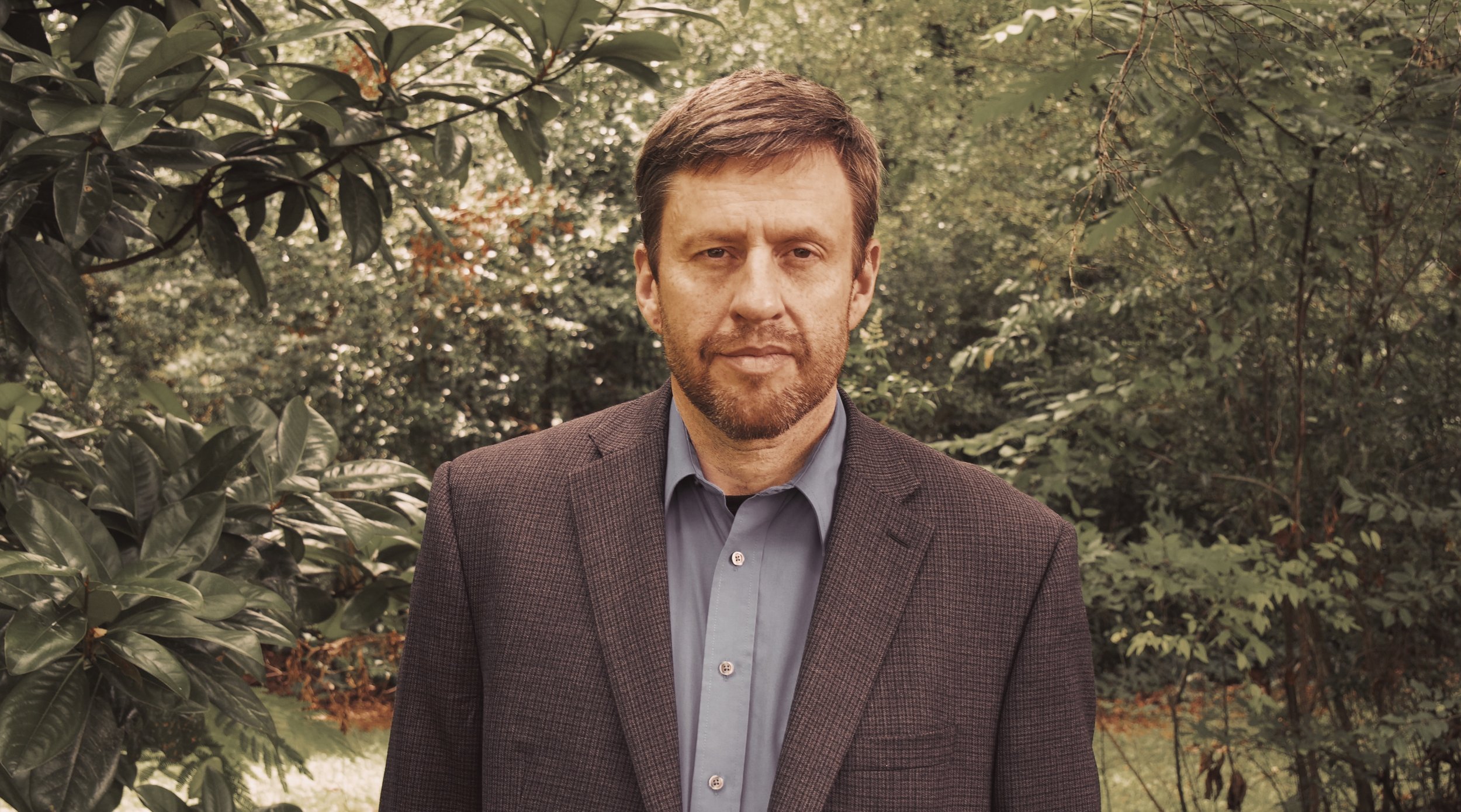
ARTICLES BY DEWAYNE
Christian Articles With A Purpose For Truth.
THE GAME OF LIFE
Life is often compared to a game. There are goals to pursue, choices to make, challenges to overcome, and consequences that follow our decisions.
Life is not merely a competition where people seek temporary victories. It is a journey before the eyes of God, and every person is accountable for how that journey is lived.
The Bible says that “we must all appear before the judgment seat of Christ, that each one may receive the things done in the body” (2 Corinthians 5:10). The question is not whether we are playing the game of life, but whether we are following the rules given by the Creator.
1. THE PLAYER MUST HAVE THE RIGHT PRIORITY
Every game requires focus. A person who does not know the objective cannot succeed. In the same way, life becomes confused when God is removed from first place.
Jesus taught, “Seek first the kingdom of God and His righteousness, and all these things shall be added to you” (Matthew 6:33). The greatest priority of life is not wealth, reputation, or personal comfort. It is knowing God and faithfully serving Him.
Many people spend their lives pursuing things that cannot satisfy. Solomon possessed wisdom, riches, and accomplishments, yet he discovered that life without God is empty. His conclusion was simple: “Fear God and keep His commandments, for this is man’s all” (Ecclesiastes 12:13-14).
The right priority produces the right direction.
2. THE PLAYER MUST FOLLOW THE PLAN
No successful competitor ignores the instructions. In spiritual matters, God has provided the perfect plan through His word.
David said, “Your word is a lamp to my feet and a light to my path” (Psalms 119:105). The Bible reveals what God desires, warns us of danger, and guides us toward righteousness.
Jesus declared that the wise person hears His words and does them, comparing such a person to one who builds a house upon the rock (Matthew 7:24-27). Faith is not merely agreeing with facts about God. It is trusting Him enough to obey Him.
God’s plan leads to salvation through Jesus Christ, repentance, confession, and faithful obedience (Acts 2:38; Romans 10:9-10; Revelation 2:10).
3. THE PLAYER MUST PERSEVERE TO THE PRIZE
A game is not won by a strong beginning alone. The finish matters. The Christian life requires endurance. Jesus said, “He who endures to the end shall be saved” (Matthew 24:13).
Trials, temptations, and disappointments will come, but the faithful believer continues because the reward is greater than the struggle.
Paul viewed his life as a race that required determination. Near the end of his journey he could say, “I have fought the good fight, I have finished the race, I have kept the faith” (2 Timothy 4:7-8). The prize was not earthly applause but the crown of righteousness promised by the Lord.
Life is not a game in which every choice is equally good. God has established truth, provided salvation through His Son, and revealed the path that leads to eternal life.
The wise person will choose the right priority, follow the divine plan, and persevere until the end. The greatest victory in the game of life is not gaining the world but gaining Christ.
_____________
Prayer
Our Father in heaven, help us to live this life with wisdom and purpose. Give us hearts that place You first, minds that follow Your word, and spirits that endure faithfully until the end.
May we not be distracted by temporary rewards but seek the eternal prize found in Jesus Christ. Guide our steps and help us finish the race with faithfulness.
In Jesus’ name, Amen.
BDD
THE POWER OF A FAITHFUL LIFE
The world often celebrates the spectacular, but God delights in the faithful. Men may remember great accomplishments, impressive victories, and public achievements, but the Lord looks upon the heart and values steady devotion.
A faithful life may appear ordinary to human eyes, yet it carries great influence in the kingdom of God. Jesus said, “He who is faithful in what is least is faithful also in much” (Luke 16:10).
The greatest testimony is often built through small acts of obedience repeated throughout a lifetime.
1. THE FOUNDATION OF FAITHFULNESS
A faithful life must be built upon a strong foundation. Feelings change, circumstances shift, and human strength fails, but God remains constant.
The believer who builds upon the promises of the Lord finds stability when the storms of life arrive. Jesus taught that the wise man hears His words and does them, building his house upon the rock (Matthew 7:24-25).
Faithfulness begins with a heart that belongs completely to God. It is not merely outward activity but inward devotion. The Lord told Israel to love Him with all their heart, soul, and strength (Deuteronomy 6:5).
When love for God becomes the foundation, obedience becomes a joyful response rather than a heavy burden.
2. THE FIGHT FOR FAITHFULNESS
Faithfulness requires perseverance because the Christian journey is not without opposition. Temptation, discouragement, and hardship will test the commitment of every believer. Paul encouraged Timothy to “fight the good fight of faith” and remain faithful until the end (1 Timothy 6:12).
The devil often tries to convince us that our efforts are unnoticed or unimportant. God still sees every prayer, every sacrifice, and every act of service offered in His name. The writer of Hebrews said that God is not unjust to forget their work and labor of love (Hebrews 6:10). No faithful deed escapes His attention.
3. THE FRUIT OF FAITHFULNESS
A faithful life always produces fruit. The person who walks with God becomes a source of encouragement, strength, and blessing to others.
Jesus taught that a good tree produces good fruit, revealing that the condition of the heart eventually becomes visible in the life (Matthew 7:17-18).
The fruit of faithfulness is seen through love, patience, kindness, forgiveness, and endurance. Paul described these qualities as the fruit produced by the Spirit of God within His people (Galatians 5:22-23). A faithful Christian does not simply possess faith. A faithful Christian displays faith.
The Lord is not looking for perfect people who never stumble. He is looking for hearts that continue to trust Him, return to Him, and walk with Him.
At the end of Paul’s journey, he did not boast about his achievements but rejoiced that he had remained faithful: “I have fought the good fight, I have finished the race, I have kept the faith” (2 Timothy 4:7-8).
May we seek not merely moments of spiritual excitement but a lifetime of faithful obedience. The greatest reward is not the praise of men but the approval of the Savior who says, “Well done, good and faithful servant” (Matthew 25:21).
____________
Prayer
Faithful Father, help us to live lives that honor You. Strengthen us when we grow weary, encourage us when we feel unnoticed, and teach us to remain faithful in every season.
May our lives bear fruit for Your kingdom and bring glory to Jesus Christ until the day we see Him face to face.
In Jesus’ name, Amen.
BDD
THE GOD WHO BUILDS THROUGH ORDINARY PEOPLE A Sermon
Nehemiah 2:17–20
God takes ordinary people who trust Him and uses them to accomplish extraordinary things.
INTRODUCTION
The world can change when somebody looks at what everybody else has accepted and says, “This is not the way it has to remain.”
That was Nehemiah.
For years, the people of Jerusalem had lived among broken walls and burned gates. They had become accustomed to the ruins. They had learned how to survive in a place that was never meant to stay broken.
But God placed a burden in the heart of one man.
Nehemiah was not a priest. He was not a prophet. He was not a military leader. He was a cupbearer serving a foreign king. But he had something that God could use: a heart that cared about what God cared about.
Before Nehemiah ever picked up a stone, he picked up a burden.
Before he ever rebuilt a wall, he prayed.
Before he ever faced opposition, he trusted the God of heaven.
And that is how God has always worked.
God used Noah to build an ark when nobody had ever seen rain.
God used Moses with a shepherd’s rod to stand before Pharaoh.
God used Gideon with only three hundred men to defeat a mighty army.
God used David, a young shepherd boy, to face a giant.
And God used Nehemiah and a group of ordinary people to rebuild the walls of Jerusalem.
The question is not, “Are we strong enough?”
The question is, “Is God strong enough?”
And the answer is always yes.
I. RECOGNIZE THE PROBLEM
“You see the distress that we are in, how Jerusalem lies waste, and its gates are burned with fire…” — Nehemiah 2:17
Nehemiah begins by saying, “You see.”
He wanted the people to look at reality.
The walls were down.
The gates were burned.
The city was vulnerable.
The condition was serious.
But notice something important. Nehemiah did not recognize the problem because he was a pessimist. He recognized the problem because he had a burden.
There is a difference between criticism and conviction.
A critic looks at something broken and complains.
A person with God’s heart looks at something broken and says, “Lord, what can You do through me?”
Nehemiah did not walk away from Jerusalem because it was damaged. He walked toward Jerusalem because God had called him.
Sometimes we cannot experience God’s restoration until we are willing to acknowledge our need.
Isaiah had to recognize his condition before God could use him.
When Isaiah entered the presence of God, he said:
“Woe is me, for I am undone! Because I am a man of unclean lips…”
Isaiah 6:5
Before God gave Isaiah a mission, God gave him a vision of himself.
Ezekiel stood in a valley full of dry bones.
God asked him:
“Son of man, can these bones live?”
Ezekiel 37:3
The answer was not found in the bones.
The answer was found in God.
Churches, families, and individuals must be willing to recognize what is broken, not so we can become discouraged, but so we can believe God for restoration.
II. RECEIVE THE PLAN
“Come and let us build the wall of Jerusalem…” — Nehemiah 2:17
Nehemiah did not simply identify the problem. He gave God’s people a purpose.
He said, “Let us build.”
Notice the word “us.”
He did not say:
“Let somebody build.”
“Let the talented people build.”
“Let the wealthy people build.”
He said, “Let us build.”
God’s work has always been accomplished through people who are willing to join together around His purpose.
When Moses built the tabernacle, God’s people gave willingly because their hearts were stirred.
“Then everyone came whose heart was stirred, and everyone whose spirit was willing…”
Exodus 35:21
When David prepared for the temple, the people rejoiced because they were able to participate in God’s work.
“Then the people rejoiced, for they had offered willingly…”
1 Chronicles 29:9
The great works of God are not built by a few spectators watching from a distance. They are built by people who say, “Lord, use my hands. Use my gifts. Use my life.”
Nehemiah also reminded them:
“And I told them of the hand of my God which had been good upon me…”
Nehemiah 2:18
The vision was not based on Nehemiah’s ability.
It was based on God’s hand.
The same God who called them to build would empower them to build.
III. RESIST THE PRESSURE
“But when Sanballat the Horonite, Tobiah the Ammonite official, and Geshem the Arab heard of it, they laughed us to scorn and despised us…”
Nehemiah 2:19
The moment God’s people decided to work, opposition arrived.
That should not surprise us.
Whenever God begins a work, the enemy tries to stop it.
Sanballat, Tobiah, and Geshem were not just names in a history book.
They represented the voices that rise up against the work of God.
Sanballat the Horonite was a powerful leader connected with Samaria. He had political influence and did not want Jerusalem restored.
Tobiah the Ammonite official was a man with connections and influence. He represented those who had interests in keeping things the way they were.
Geshem the Arab was a wealthy and respected leader among the surrounding nations.
Together, they represented intimidation, criticism, and resistance.
Their first weapon was not a sword.
It was a word.
“They laughed us to scorn and despised us…”
Nehemiah 2:19
The enemy knows that if he can discourage God’s people, he can often stop God’s work.
But God’s people must learn to resist the pressure.
David faced pressure when everyone else saw Goliath as unbeatable.
But David said:
“You come to me with a sword, with a spear, and with a javelin. But I come to you in the name of the Lord of hosts…”
1 Samuel 17:45
The size of the giant was never the issue.
The greatness of God was the issue.
IV. RELY ON THE PROMISE
“The God of heaven Himself will prosper us…”
Nehemiah 2:20
This is where Nehemiah’s confidence shines.
He does not answer his critics by pointing to their resources.
He does not say:
“We have enough workers.”
“We have enough money.”
“We have enough strength.”
He says:
“The God of heaven Himself will prosper us.”
That is the foundation of every work God blesses.
Not human ability.
Divine power.
Not human greatness.
God’s greatness.
The same truth is found throughout God’s word:
“Unless the Lord builds the house, they labor in vain who build it.”
Psalm 127:1
Jesus said:
“I will build My church, and the gates of Hades shall not prevail against it.”
Matthew 16:18
Our confidence is not in what we can accomplish for God.
Our confidence is in what God can accomplish through us.
CONCLUSION
The walls of Jerusalem were rebuilt because one man believed that God was bigger than the ruins.
Nehemiah saw the problem.
He received the plan.
He resisted the pressure.
He relied on the promise.
And the God of heaven used ordinary people to accomplish an extraordinary work.
The same God is still working today.
He is still looking for people who will say:
“Lord, here are my hands.”
“Lord, here is my life.”
“Lord, use me for Your glory.”
Because the greatest question is not:
“Can we build?”
The greatest question is:
“Will we trust the God who builds?”
And when His people trust Him, the impossible becomes possible.
“The God of heaven Himself will prosper us.”
Nehemiah 2:20
BDD
Livestream Preaching Times for Sunday, July 19, 2026
8:00 AM
THE VERDICT OF THE LIGHT
Text: John 3:19–21
6:00 PM Communion Service
THE HEART OF GOD FOR THE WORLD
Text: 1 Timothy 2:3–4
TikTok: @dewaynedunawayministries
All times CST
HUMILITY
Humility is the garment that best fits the soul that has truly seen God. When a person stands in the light of the Lord’s greatness, he no longer boasts in his own strength.
The mountain does not become smaller because a man cannot climb it, and God does not become less glorious because we cannot comprehend Him.
The closer we draw to the Almighty, the more clearly we understand our own need. “God resists the proud, but gives grace to the humble” (James 4:6).
The humble heart is not a defeated heart. It is a heart that has discovered the joy of resting completely upon God.
Pride is a subtle enemy because it can hide even among religious duties. A person may speak of God while quietly seeking praise for himself.
The Pharisee prayed in the temple, but his words revealed that he trusted in his own righteousness rather than the mercy of God (Luke 18:9-14). The tax collector came with no claim except his need and cried, “God, be merciful to me a sinner!”
The Lord teaches us that heaven is not impressed by the appearance of greatness but welcomes the broken and contrite heart (Psalms 51:17).
The greatest picture of humility is found in Jesus Christ. Though He possessed divine glory, He took the form of a servant and humbled Himself, becoming obedient even to the point of death on the cross (Philippians 2:5-8).
The King of heaven washed the feet of His disciples and showed that true greatness is found in serving others (John 13:3-5, 12-17). The Savior did not come demanding to be served, but He came to serve and give His life as a ransom for many (Mark 10:45).
Humility does not mean thinking less of our value. It means seeing ourselves correctly in the presence of God. We are created by Him, loved by Him, and dependent upon Him.
Every ability, every opportunity, and every blessing comes from His hand. Paul asked, “What do you have that you did not receive?” (1 Corinthians 4:7). The humble believer does not deny God’s gifts but gladly acknowledges their true source.
The humble heart is also a teachable heart. It listens when God’s word corrects, accepts wisdom from others, and willingly submits to the Lord’s direction.
The proud person closes the door of understanding, but the humble person leaves the door open for God’s transforming grace. “He guides the humble in justice, and He teaches the humble His way” (Psalms 25:9). The Lord delights to shape those who are willing to be shaped.
One day every earthly crown will fade, every human achievement will pass away, and every heart will stand before the Lord. The proud will discover that human greatness was only temporary, but the humble will find that God has been their everlasting treasure.
Let us therefore walk softly before Him, remembering that the path upward in God’s kingdom begins by bowing low. “Humble yourselves before the Lord, and He will lift you up” (James 4:10).
____________
Prayer
Our gracious Father, teach us the beauty of humility. Remove from our hearts every desire for pride and self-exaltation.
Help us to look to Jesus, who humbled Himself and gave everything for us.
Make us gentle, teachable, and willing to serve. May our lives reflect the humility of Christ until the day we stand in Your presence.
In Jesus’ name, Amen.
BDD
WHAT DO YOU WANT IN LIFE?
Every person is pursuing something. Some seek wealth, others seek recognition, and many spend their lives chasing pleasures that soon fade away. It all serves as a temporary distraction, but when the noise of the world grows quiet, the heart still asks the most important question: “What do I truly want in life?”
The answer cannot be found in the treasures of earth alone, for the soul was created for something higher. The Lord Jesus calls us to look beyond the temporary and discover the lasting riches that come from walking with God.
If we would understand the purpose for which we were made, we must seek three great blessings: a Savior to guide us, a service to give us, and a sanctification to grow us.
1. A SAVIOR TO GUIDE YOU
The deepest desire of the human heart is not found in possessions, achievements, or earthly applause. The soul was made for God, and nothing less than fellowship with Him can satisfy.
Many search for happiness in the things that perish, but the heart remains hungry because it was created for eternity. Jesus asked, “For what profit is it to a man if he gains the whole world, and loses his own soul?” (Matthew 16:26).
The greatest treasure in life is not what we can hold in our hands, but the Savior who holds us in His hands.
2. A SERVICE TO GIVE YOU
A life that only seeks to receive becomes small and empty. God has created us not merely to consume blessings but to become channels of blessing.
Paul wrote that we are God’s workmanship, created in Christ Jesus for good works, which God prepared beforehand for us to walk in (Ephesians 2:10).
The question is not merely, “What can I gain?” but “What can I give?” The happiest soul is often the one that has learned to spend itself for the glory of God and the good of others.
3. A SANCTIFICATION TO GROW YOU
The Christian life is not a momentary decision without a continuing transformation. God calls His people to grow in holiness, becoming more like Christ day by day. Peter urged believers to grow in the grace and knowledge of Jesus Christ (2 Peter 3:18).
The Lord is not finished with us when we first come to Him. He continues His gracious work, shaping our thoughts, refining our character, and teaching us to walk in His ways. The greatest desire of the redeemed heart is to become what God has called us to be.
______________
Prayer
Our gracious Father, teach us to desire what truly matters. Keep us from chasing the temporary treasures of this world and turn our hearts toward Christ.
Give us a Savior to follow, a service to fulfill, and a sanctification that reflects Your glory. May our greatest longing be to know You, love You, and honor You all the days of our lives.
In Jesus’ name, Amen.
BDD
GENEROSITY
Generosity begins not with the hand but with the heart. Before a gift is ever placed before another person, there must first be a heart that has learned to trust God as the giver of all things.
The generous soul understands that everything we possess comes from above. “Every good gift and every perfect gift is from above, and comes down from the Father of lights” (James 1:17).
When we know that God is our source, we are freed from the fear that causes us to cling tightly to earthly possessions.
The greatest example of generosity is found in God Himself. He did not merely give us blessings, but He gave us His Son. “God so loved the world that He gave His only begotten Son” (John 3:16).
The cross reveals a love that does not calculate the cost before giving. Christ gave Himself completely for us, and those who receive His grace are called to reflect that same spirit of selfless love (Ephesians 5:1-2; 2 Corinthians 8:9).
True generosity is not measured by the size of the gift but by the surrender of the heart. Jesus observed a poor widow who gave two small coins and declared that she had given more than all the others because she gave out of her poverty and trusted God with what remained (Mark 12:41-44).
The Lord does not look merely at what is placed in His service. He looks at the love, faith, and devotion behind the offering.
A generous spirit is cultivated through fellowship with Christ. The more we understand His mercy toward us, the less we are controlled by selfish desires.
Paul taught that those who sow generously will reap generously, and that God loves a cheerful giver (2 Corinthians 9:6-7).
Generosity is not forced obedience. It is the joyful response of a heart that has been changed by divine grace.
The generous believer gives not only money but also time, encouragement, forgiveness, and compassion.
The world often asks what it can receive, but Christ teaches His followers to consider what they can give. “It is more blessed to give than to receive” (Acts 20:35).
A life poured out for others becomes a testimony of the love of God working within us (Philippians 2:3-5; 1 John 3:16-18).
Let us ask the Lord to make us generous in spirit. We cannot produce true generosity by human effort alone. It flows from a heart surrendered to God and filled with gratitude for His grace.
As Christ becomes greater within us, our hands become more willing to serve, our hearts become more willing to love, and our lives become more willing to give.
____________
Prayer
Our loving Father, teach us the joy of generosity. Remove the selfishness that keeps us from fully trusting You. Help us remember that all we have belongs to You and that every blessing is an opportunity to glorify Your name.
Fill our hearts with the love of Christ so that we may give freely, serve faithfully, and reflect Your goodness to those around us.
In Jesus’ name, Amen.
BDD
THE BEAUTY OF BROKENNESS
The world often teaches us to hide our weaknesses, cover our failures, and present an image of strength. That is not good.
God’s word reveals a surprising truth: the Lord often does His deepest work through hearts that have been humbled and broken before Him.
The broken vessel is not discarded by the Potter. It is reshaped for His glory.
David understood this when he wrote, “The sacrifices of God are a broken spirit, a broken and a contrite heart” (Psalms 51:17).
What man may see as weakness, God can transform into a place of divine strength.
1. THE BREAKING OF SELF
Before God can fill us with His power, He must often empty us of our pride. The greatest obstacle to spiritual growth is not a lack of ability but an excessive confidence in ourselves.
Peter believed he was strong enough to stand even when others failed, but his denial of Christ revealed his dependence upon his own strength (Matthew 26:33-35, 69-75).
Through that failure, Peter learned a deeper lesson: usefulness comes not from self-confidence but from dependence upon God.
The Lord does not break us to destroy us. He breaks the stubbornness that prevents us from becoming what He desires.
Like a farmer breaking the soil before planting the seed, God prepares the heart so that His life may grow within us. “God resists the proud, but gives grace to the humble” (James 4:6).
2. THE BLESSING OF BROKENNESS
Brokenness creates a place where God’s grace can be received. The person who recognizes his need is the person who seeks the Savior.
Jesus said, “Blessed are the poor in spirit, for theirs is the kingdom of heaven” (Matthew 5:3). Spiritual poverty is not despair. It is the humble recognition that we need God for everything.
Paul discovered this truth through his own weakness. After asking God to remove his thorn in the flesh, he received an answer that changed his perspective: “My grace is sufficient for you, for My strength is made perfect in weakness” (2 Corinthians 12:9).
The broken believer discovers that God’s power is greater than human ability.
3. THE BEAUTY OF BEING REBUILT
God never leaves His children in a broken condition. The same hands that humble us are the hands that restore us.
The Lord promised through the prophet Isaiah that He would give beauty instead of ashes and the garment of praise instead of the spirit of heaviness (Isaiah 61:3). The purpose of God’s work is not merely to reveal our weakness but to display His glory.
A broken life surrendered to Christ becomes a testimony of grace.
The woman who came to Jesus with a sinful past received forgiveness and became an example of devoted love (Luke 7:36-50).
The persecutor Saul became the apostle Paul through the transforming power of Christ (Acts 9:1-6).
God specializes in taking what seems unusable and making it useful for His kingdom.
The beauty of brokenness is that it brings us closer to the heart of God. When we stop trusting ourselves and begin resting completely in Him, we discover the strength, peace, and purpose that only Christ can provide.
The broken heart placed in God’s hands becomes a vessel filled with His presence.
____________
Prayer
Our gracious Father, teach us to surrender our pride and our self-reliance. Help us to see that Your work in us is not meant to harm us but to shape us into the image of Christ.
Use our weaknesses for Your glory and fill our lives with Your grace. May we always remain humble, dependent, and faithful before You.
In Jesus’ name, Amen.
BDD
THE GENTLE SWAY
There is a strength that shouts and a strength that whispers. The oak stands firm against the storm, but the willow survives because it yields to the wind without surrendering its roots.
So it is with the child of God.
The Lord does not always display His power through dramatic acts. Often He shapes His people through a gentle sway, teaching them to lean upon Him instead of themselves.
“Trust in the Lord with all your heart, and lean not on your own understanding” (Proverbs 3:5-6). The soul that rests in Christ discovers that surrender is not defeat but victory.
The Bible frequently reminds us that God works with quiet persistence. Elijah expected the Lord in the wind, the earthquake, and the fire, yet God spoke in a still, small voice (1 Kings 19:11-13).
The Savior invited the weary to come to Him, saying, “Take My yoke upon you and learn from Me, for I am gentle and lowly in heart” (Matthew 11:28-30).
The gentle sway of God’s hand accomplishes what force never can. It bends pride into humility, fear into faith, and wandering hearts back to the Shepherd.
Many believers resist this gracious work because they mistake gentleness for weakness.
The strongest hand in the universe is also the most tender. A bruised reed He will not break, and smoking flax He will not quench (Isaiah 42:1-3; Matthew 12:18-21).
When the Lord disciplines His children, His purpose is restoration rather than destruction. Even painful trials become instruments of mercy, drawing us nearer to Christ and teaching us that His grace is sufficient for every burden (Hebrews 12:5-11; 2 Corinthians 12:9-10).
The gentle sway is seen whenever a Christian chooses forgiveness over bitterness, patience over anger, and kindness over retaliation.
These are not signs of weakness but of Christ living within. “Let your gentleness be known to all men. The Lord is at hand” (Philippians 4:5).
As we abide in Him, the fruit of the Spirit becomes increasingly evident, and the fragrance of Christ is carried into a world that has forgotten true peace (Galatians 5:22-23; Colossians 3:12-15; John 15:4-5).
One day the winds of this life will cease. Faith will become sight, and every storm will give way to everlasting calm in the presence of our Lord.
Until then, let us not fear the gentle sway of His providence. The same hand that guides the stars also holds His children.
He has never lost one who has trusted Him, and He will not begin with us.
Therefore, let us walk humbly, rest confidently, and follow the Savior wherever He leads (Psalms 23:1-6; Romans 8:35-39).
____________
Prayer
Heavenly Father, thank You for leading us with wisdom, patience, and love. Teach us to yield to Your gracious hand instead of resisting Your work within us.
Help us to trust You in every trial, to reflect the gentleness of Christ in our lives, and to remain faithful no matter how strong the winds may become.
Keep our hearts fixed upon Jesus until the day we stand before You in everlasting joy.
In His name we pray, Amen.
BDD
Livestream Preaching Times for July 18, 2026
8:00 AM — “Divine Contentment” (Hebrews 13:1-6)
10:00 AM — “Walking Worthy of Your Calling” (Ephesians 4:1–3)
3:00 PM — “From Slaves to Children” (Galatians 4:1-7)
TikTok: @dewaynedunawayministries
All times CST
THE DEVIL HAS NOTHING IN ME
As our Lord approached the darkest hour of His earthly ministry, He spoke words of remarkable confidence. “The ruler of this world is coming, and he has nothing in Me” (John 14:30).
Satan was about to unleash every weapon at his disposal through betrayal, false witnesses, cruel soldiers, and the cross itself.
When he came searching for a foothold in the Son of God, he found none.
There was no hidden sin to accuse. No secret pride to inflame. No selfish desire to exploit.
The enemy found a heart perfectly devoted to the Father.
Jesus walked into Calvary not as a helpless victim, but as the spotless Lamb whose obedience could never be broken (Hebrews 4:15; 1 Peter 2:22).
This statement shines like the midday sun because it reveals the absolute holiness of Christ.
Every other child of Adam has given the devil something to work with. Our sins have opened doors to temptation, shame, and condemnation. “All have sinned and fall short of the glory of God” (Romans 3:23).
Satan is called the accuser because he can point to our guilt. But when he looked upon Jesus, every accusation failed.
The prince of darkness stood before the Prince of Life and found no corruption, no deceit, and no stain. Even Pilate repeatedly declared, “I find no fault in Him,” though he did not fully understand the greatness of those words (John 18:38; 19:4-6).
Our Lord did not speak these words, however, merely to display His perfection. He spoke them on the eve of His sacrifice. The One in whom Satan found nothing became the offering for those in whom Satan found far too much.
“He made Him who knew no sin to be sin for us, that we might become the righteousness of God in Him” (2 Corinthians 5:21).
The spotless Savior took the place of guilty sinners.
The pure One bore the punishment of the impure.
The innocent Shepherd laid down His life for wandering sheep.
This is the wonder of the gospel. Our hope rests not in our ability to silence the accuser but in Christ, whose perfect righteousness answers every charge brought against those who belong to Him (Romans 8:33-34).
There is also a searching lesson for every believer. While none of us can honestly say, “The devil has nothing in me,” we are commanded to give him no place.
Every cherished sin becomes a handle by which the enemy seeks to pull us away from faithful obedience. Every unforgiven grudge, every proud thought, every careless word, and every worldly affection becomes fertile ground for temptation.
Therefore, let us walk in the light, confess our sins quickly, and keep our hearts near the Lord. “Submit to God. Resist the devil and he will flee from you.” “Draw near to God and He will draw near to you” (James 4:7-8; Ephesians 4:27).
One day, because of Christ, the struggle will end forever. The accuser will be cast down, temptation will cease, and God’s people will stand complete in His presence.
Until then, our confidence is not in ourselves but in the One who overcame the wicked one without a single blemish.
When Satan accuses us, we look away from our failures and fix our eyes upon Jesus. When temptation presses hard, we remember that our High Priest was tempted in every way as we are, yet without sin.
The victory of the Christian is not found in self-confidence but in abiding confidence in Christ, who declared with holy triumph, “The ruler of this world is coming, and he has nothing in Me.”
____________
Prayer:
Father, we thank You for sending Your spotless Son into the world. Thank You that the enemy found nothing in Him, and that through His sacrifice our sins can be forgiven and our consciences cleansed.
Help us to walk in holiness, to resist temptation, and to keep our eyes fixed on Jesus every day. May our lives reflect gratitude for His perfect obedience and victorious cross. Strengthen us by Your Spirit until the day we stand before You complete in Christ.
In His name we pray. Amen.
BDD
TO GAIN CHRIST
God does not always just add something to our lives. He brings some things to an end.
The natural heart thinks in terms of addition. It desires more knowledge, greater usefulness, deeper experiences, stronger faith, and richer blessings. God’s purpose begins with subtraction before it proceeds to fullness.
He empties before He fills.
He strips away before He clothes.
He causes us to lose confidence in everything that belongs to Adam so that Christ alone may become our confidence.
This is the great lesson lying beneath Paul’s testimony in Philippians 3. The apostle is not merely recounting his conversion. He is unveiling a spiritual law that governs the whole Christian life.
Before meeting Christ, Paul possessed everything that religion could offer. His heritage was honorable. His morality was beyond reproach. His zeal was unmatched. His learning was extraordinary.
If righteousness could have been obtained through religious attainment, Paul would have stood among the greatest of men.
But when the Lord Jesus revealed Himself, the entire structure upon which Paul had built his confidence collapsed in a single moment (Acts 9:3-6).
Notice carefully that Paul does not say those former things were necessarily evil in themselves.
Birth into Israel was a privilege. Knowledge of God’s word was a privilege. Zeal for truth, though tragically misdirected, demonstrated sincerity.
These things were gifts of God’s providence. The tragedy was not that Paul possessed them. The tragedy was that he trusted in them.
That distinction remains vital today.
The flesh is remarkably religious. It delights in collecting spiritual achievements. It quietly boasts in years of church attendance, theological understanding, faithful service, doctrinal precision, successful ministries, disciplined habits, or moral victories.
None of these things are wrong. Indeed, many are wonderful gifts from God. But the old creation possesses an astonishing ability to transform God’s gifts into substitutes for Christ Himself (Jeremiah 9:23-24).
This is why the Lord often permits seasons that dismantle every confidence we have carefully constructed.
He allows success to disappoint us. He permits strength to fail. He exposes the weakness of our wisdom. He reveals that what we called spiritual maturity often rested upon natural ability strengthened by religious activity.
Christ is never cruel in this work.
He removes only what prevents us from possessing something infinitely greater.
Paul therefore writes, “But what things were gain to me, these I have counted loss for Christ” (Philippians 3:7).
The language is striking. It is the language of accounting.
Paul pictures his former life as a ledger. Across one column stood every accomplishment he had accumulated. Every achievement had once been entered as profit. Every distinction increased his confidence before God.
Then Christ appeared.
The entire ledger had to be rewritten.
Everything formerly recorded under “gain” was transferred into the column marked “loss.”
Nothing about Christ had changed.
Everything about Paul’s evaluation had changed.
This is always the effect of genuine revelation.
Education cannot produce it.
Argument cannot produce it.
Emotion cannot produce it.
Only the unveiling of the glory of Christ can alter a man’s values so completely that he gladly abandons what once defined his identity (2 Corinthians 4:6).
The Christian life is therefore not fundamentally a matter of self-denial.
That statement may seem surprising.
Certainly Jesus commands us to deny ourselves (Luke 9:23). Biblical self-denial, though, is never an end in itself.
God is not interested in producing people who simply live with less. His purpose is to create people who have found Someone infinitely greater.
Paul did not become an ascetic because earthly things were worthless.
He surrendered them because Christ possessed infinite worth.
That is an entirely different matter.
Many people attempt to renounce the world through sheer determination.
They grit their teeth. They discipline themselves. They suppress desires. But inwardly they remain fascinated by what they have abandoned. Their sacrifice becomes another form of pride.
Paul’s testimony reveals something altogether different.
The heart captivated by Christ does not continually stare backward.
It looks forward.
A child who discovers a treasure chest does not mourn the pebbles he leaves behind.
Likewise, the soul that has truly seen the Lord Jesus does not constantly calculate the cost of discipleship.
It becomes overwhelmed by the greatness of the One it has found (Matthew 13:44).
This explains why Paul intensifies his language in verse 8.
“Indeed I also count all things loss for the excellence of the knowledge of Christ Jesus my Lord.”
Notice the movement.
Verse 7 speaks of the things that had once been gains.
Verse 8 expands the circle dramatically.
Now it is “all things.”
Everything outside Christ must ultimately surrender its claim to ultimate importance.
Not because creation lacks beauty.
Not because family lacks value.
Not because ministry lacks significance.
Not because knowledge lacks usefulness.
But because none of these things were ever intended to occupy the throne reserved for God’s Son.
Christ does not ask merely to become the highest priority among many.
He becomes the center from which every other blessing receives its proper meaning (Colossians 1:16-18).
The tragedy of much modern Christianity is that Christ is often presented as the means to obtaining something else.
Come to Christ for peace.
Come to Christ for purpose.
Come to Christ for joy.
Come to Christ for blessing.
While these promises are wonderfully true, they remain incomplete if separated from their source.
The supreme gift of the gospel is not peace.
It is Christ.
The supreme gift is not forgiveness.
It is Christ.
The supreme gift is not heaven.
It is Christ.
Forgiveness removes every barrier so that we may know Him.
Peace enables us to rest in Him.
Heaven is glorious because He is there.
Every blessing of redemption exists to bring us into living union and increasing fellowship with the Son of God (John 17:3; Ephesians 1:3-10; Colossians 2:9-10).
This is why Paul does not merely speak about knowing doctrines concerning Christ.
He longs for “the excellence of the knowledge of Christ Jesus my Lord.”
The word “knowledge” here reaches far beyond information. It speaks of living fellowship, personal acquaintance, growing communion, and continual discovery.
The more Paul knows Christ, the more he realizes how inexhaustible Christ is. Every fresh revelation creates an even deeper hunger. Every glimpse of His glory awakens a longing for greater conformity to His image.
The believer never reaches the place where he has mastered Christ.
Rather, Christ increasingly masters him.
This is the secret of true spiritual growth.
BDD
HOW GOD PREPARES A REBUILDER
God is never frightened by the broken places in your life. In fact, He often begins His greatest work there.
We usually ask Him to remove the rubble, but He first teaches us to walk through it.
Before He rebuilds the walls, He opens our eyes.
Before He strengthens our hands, He humbles our hearts.
That is exactly how God prepared Nehemiah, and it is often how He prepares every servant He intends to use (Nehemiah 2:11-15).
Nehemiah arrived in Jerusalem with a burden from God, yet he did not immediately call a meeting or announce his plans. “I came to Jerusalem, and was there three days” (Nehemiah 2:11).
Then, while the city slept, he quietly slipped through the gates with only a few trusted men. “I told no one what my God had put in my heart to do at Jerusalem” (Nehemiah 2:12).
Here is sacred wisdom: restraint. The greatest visions are often formed in silence before they are proclaimed in public.
Those who wait upon the Lord are not wasting time. They are learning to move at God’s pace instead of their own (Psalms 27:14; Isaiah 40:31).
As Nehemiah made his way through the darkness, every broken wall and every burned gate confirmed the seriousness of Jerusalem’s condition.
The destruction became so great that there was no room for the animal beneath him to continue, and he was forced to go on by foot (Nehemiah 2:13-15).
He did not turn away from the ruins because they were painful to see. He looked at them carefully.
Faith is never strengthened by denying reality. It grows stronger by seeing reality through the promises of God.
The Lord who created the heavens and the earth is never overwhelmed by broken stones or broken people (Jeremiah 32:17; Luke 1:37).
There is a lesson here for every Christian. We long for renewal, yet we often resist honest examination. We ask God to revive us while ignoring the places where our love has grown cold, our prayers have become shallow, or our obedience has weakened.
God’s word is “a discerner of the thoughts and intents of the heart” (Hebrews 4:12). David prayed, “Search me, O God, and know my heart and lead me in the everlasting way” (Psalms 139:23–24).
Conviction is not God’s rejection. It is His invitation. The Lord uncovers our ruins because He intends to restore them (1 John 1:9; Proverbs 28:13; Joel 2:25).
The broken walls of Jerusalem did not cancel God’s covenant, and the broken places in your life have not canceled His grace. Every fallen stone simply marked another place where His power could be displayed.
The Lord delights in taking what sin has shattered and making it a testimony to His mercy. “The sacrifices of God are a broken spirit, a broken and a contrite heart, these, O God, You will not despise” (Psalms 51:17).
He is near to the brokenhearted, and He saves those who are crushed in spirit (Psalms 34:18).
If God is leading you through the ruins today, do not lose heart. He has not brought you there to leave you discouraged. He has brought you there to give you His vision.
The inspection always comes before the rebuilding. The burden comes before the blessing. The night comes before the dawn.
Walk with Him through every broken gate and every fallen wall, for the God who reveals the damage is also the God who restores it.
The One who put the burden into Nehemiah’s heart is still preparing rebuilders today, and He has never failed to finish the work He begins (Nehemiah 2:20; Philippians 1:6).
____________
Prayer
Father, give me the courage to face the broken places in my life instead of hiding from them. Search my heart and reveal whatever keeps me from walking closely with You.
Teach me to wait upon You, to trust Your timing, and to believe that no ruin is beyond Your restoring power.
Make me a faithful rebuilder whose confidence rests not in human strength but in Your unfailing grace.
Through Jesus Christ I pray. Amen.
BDD
Livestream Preaching Times for July 17, 2026
5:30 AM — “The Surpassing Worth of Knowing Christ”
Text: Philippians 3:7–11
10:00 AM — “The Progress of the Word”
Text: 2 Thessalonians 3:1-5
6:00 PM — “The Tragedy of a Mind that Rejects God”
Text: Romans 1:22-23
TikTok: @dewaynedunawayministries
All times CST
THE TREASURE OF TRUST
The human heart is always searching for something in which it can rest. Some trust in wealth, some in wisdom, some in human strength, but all earthly foundations eventually reveal their weakness.
The soul was created for something greater than temporary security. True peace is found when the heart rests completely in the hands of God.
“When my heart is overwhelmed; lead me to the rock that is higher than I” (Psalms 61:2). The believer’s greatest treasure is not found in what he possesses but in the God who possesses him.
1. THE TOTALITY OF TRUST
Trust begins when we recognize that God is worthy of our complete dependence. He sees what we cannot see, knows what we cannot know, and understands what we cannot understand.
“Trust in the Lord with all your heart, and lean not on your own understanding” (Proverbs 3:5-6). Faith does not require that we understand every detail. It requires that we know the One who holds every detail.
Abraham demonstrated this kind of trust when God called him to leave his homeland and follow a promise he had not yet received. He went forward because he believed the faithfulness of God (Hebrews 11:8-10).
Trust moves when circumstances are uncertain because God’s character is certain.
2. THE TESTING OF TRUST
Trust is not proven in moments of ease but in seasons of difficulty. Anyone can speak of faith when the skies are clear, but storms reveal the strength of our confidence in God. Job lost possessions, health, and comfort, yet he declared, “Though He slay me, yet will I trust Him” (Job 13:15).
God sometimes allows trials not because He has abandoned us but because He is refining us. Peter compared tested faith to gold refined through fire, showing that trials can produce something precious within the believer (1 Peter 1:6-7).
The testing of trust develops endurance and draws the heart closer to the Lord.
3. THE TRIUMPH OF TRUST
A trusting heart experiences a peace that the world cannot provide. This does not mean the absence of problems, but the presence of God in the middle of them. Isaiah said that the person whose mind is fixed upon the Lord will be kept in perfect peace because he trusts in Him (Isaiah 26:3).
Jesus demonstrated perfect trust when He faced the cross. In the garden, He surrendered His own will to the Father’s purpose, saying, “Not My will, but Yours, be done” (Luke 22:42).
The victory of Christ came through complete surrender, and our victory comes the same way.
4. THE TESTIMONY OF TRUST
A life of trust becomes a testimony to others. People may not always read a Bible, but they can see the evidence of faith in a person who remains faithful during hardship.
Paul and Silas sang praises to God while imprisoned, showing that trust can produce joy even in difficult circumstances (Acts 16:25).
The believer who trusts God becomes a witness that the Lord is faithful. Our confidence points others away from human uncertainty and toward divine stability. A life built upon Christ stands firm when the storms arrive (Matthew 7:24-25).
Let us place our confidence not in ourselves, our possessions, or our circumstances, but in the unchanging God who has promised never to leave us.
The treasure of trust is found when the heart rests in the hands of the One who holds eternity.
_____________
Prayer
Our faithful Father, teach us to trust You completely. When we cannot see the way ahead, remind us that You already know the path.
Strengthen our faith through every trial and help our lives become a testimony of Your goodness. May we rest in Your promises and walk with confidence until we see You face to face.
In Jesus’ name, Amen.
BDD
THE DOCTRINE OF HOLINESS
The doctrine of holiness is not an optional subject reserved for a few exceptionally devoted Christians. It is woven throughout the word of God from Genesis to Revelation.
The Lord declared to Israel, “You shall be holy, for I am holy,” and Peter applied that same principle to Christians under the New Covenant (Leviticus 19:2; 1 Peter 1:15-16).
Holiness is not merely avoiding certain sins. It is being set apart for God’s purpose and reflecting His character in daily life.
The Bible teaches that holiness begins with God Himself. He alone is perfectly pure, righteous, and separate from all evil. Because God is holy, those who belong to Him are called to pursue holiness.
Paul reminded the Corinthian believers that they had been washed, sanctified, and justified through Jesus Christ (1 Corinthians 6:9-11). That sanctification is both a position and a responsibility. We have been set apart by God’s grace, and we are to continue living in a manner worthy of that calling (Ephesians 4:1-3; Colossians 3:12-17; Matthew 5:13-16).
Holiness is not earned through human effort. Salvation is the gift of God’s grace, received through obedient faith in Christ (Ephesians 2:8-10). And grace never encourages carelessness. “Shall we continue in sin that grace may abound? Certainly not!” (Romans 6:1-2).
Those who have died with Christ have also been raised to “walk in newness of life” (Romans 6:3-4). A changed life is the natural result of a changed heart.
The pursuit of holiness reaches every part of life. Jesus said that purity begins in the heart before it appears in outward conduct (Matthew 5:8, 27-28).
Our speech should be wholesome, our thoughts honorable, our actions loving, and our relationships marked by kindness and forgiveness (Ephesians 4:29-32; Philippians 4:8).
Holiness is not confined to the assembly on Sunday. It is demonstrated at home, at work, in our conversations, and in the choices we make when no one else is watching.
Some misunderstand holiness as joyless legalism. The Bible presents a different picture. True holiness produces freedom from the bondage of sin and deeper fellowship with God.
The writer of Hebrews urged believers to “pursue peace with all people, and holiness, without which no one will see the Lord” (Hebrews 12:14). John added that those who walk in the light enjoy fellowship with one another and are continually cleansed by the blood of Jesus Christ (1 John 1:7-9).
Holiness is not a burden placed upon the believer. It is the fruit of a life transformed by Christ.
Every Christian should examine his life in the light of God’s word. Are our priorities pleasing to the Lord? Are we growing in love, purity, humility, and obedience?
God has not called His people to resemble the world but to shine as lights in the midst of it (Philippians 2:14-16; Matthew 5:14-16). Let us therefore pursue holiness with gratitude, remembering that the God who calls us is faithful and will strengthen those who seek to honor Him.
______________
Prayer
Holy Father, thank You for calling us to belong to You. Help us to pursue holiness in our thoughts, words, and actions each day.
Forgive us when we fail, strengthen us through Your Spirit, and guide us by Your word so that our lives will honor Jesus Christ.
May we walk in the light, grow in Your grace, and reflect Your holiness until the day we stand in Your presence.
In Jesus’ name, Amen.
BDD
THE UNWILLING SPIRIT
There is a great difference between weakness and unwillingness. A weak believer may stumble and yet long to please the Lord. An unwilling spirit, however, quietly resists the work of God.
The Bible reveals that the Lord is not merely seeking outward obedience. He desires hearts that gladly yield to His will. David prayed, “Uphold me by Your generous Spirit,” recognizing that only God could produce a willing heart (Psalms 51:10-12). Wherever Christ reigns, surrender becomes the natural desire of the inner man.
Much spiritual frustration is not caused by a lack of knowledge but by a reluctance to let the Lord have complete control. We may gladly receive His promises while resisting His authority. Jesus asked, “Why do you call Me ‘Lord, Lord,’ and do not do the things which I say?” (Luke 6:46).
The issue is not simply whether we believe the truth. The issue is whether the truth has gained possession of us. God’s word is meant to transform the whole person, not merely inform the mind (Romans 12:1-2; James 1:22-25).
The Holy Spirit patiently exposes every area where self still occupies the throne. This work is seldom comfortable. Our ambitions, opinions, fears, and cherished plans are brought into the light.
The Lord wounds only that He may heal. He removes what hinders so that the life of Christ may become increasingly visible in us (Hebrews 12:5-11; Galatians 2:20).
The unwilling spirit clings to self. The willing spirit opens every door and says, “Have Your way, Lord.”
This surrender is not accomplished by human determination alone. Peter was sincere when he promised unwavering loyalty, yet within hours he denied the Lord three times (Matthew 26:33-35, 69-75). His confidence in himself had to be broken before he could become truly useful.
After his restoration, Peter no longer trusted his own strength but depended upon the grace of God (John 21:15-19; 1 Peter 5:5-7). The Lord delights to use those who have learned that His strength is made perfect in weakness.
When Christ has His rightful place within us, obedience ceases to be a burden. Love makes surrender joyful. “His commandments are not burdensome” (1 John 5:3).
The believer who walks closely with the Lord finds increasing delight in doing His will because the life of Christ is shaping every desire. The unwilling spirit gradually gives way to a willing heart as we behold the glory of the Lord and are transformed into His likeness (2 Corinthians 3:17-18).
Let us ask the Lord to search us honestly. If there is any hidden resistance, any reservation, or any area where self still insists upon its own way, let us lay it before Him. God is not seeking reluctant servants but joyful sons and daughters who trust Him completely.
As we yield ourselves to Christ, His life becomes our life, His peace becomes our peace, and His victory becomes our victory (Colossians 3:1-4; Ephesians 3:16-21).
_____________
Prayer
Our gracious Father, search our hearts and reveal every trace of an unwilling spirit within us. Forgive us for the times we have resisted Your will and trusted in ourselves. Fill us with a joyful desire to follow Christ in every area of life.
May Your Spirit strengthen our inner man so that the life of Your Son is clearly seen in us. Help us to delight in Your will and remain faithful until we see You face to face.
In Jesus’ name, Amen.
BDD
THE MINISTRY OF JESUS ON OUR BEHALF
Jesus did not come merely to set an example or leave behind wise teachings. He came to accomplish a work that only He could do, and that work continues even now.
From the moment we trust Him until the day we stand in His presence, Christ ministers on our behalf. His work is complete at the cross, but His care for His people never ceases. Every believer lives under the gracious ministry of a living Savior who is actively working for our good (Hebrews 7:25).
First, His saving ministry redeemed us. We were guilty, separated from God, and unable to save ourselves. Jesus took our place, bore our sins on the cross, and paid the price our sin demanded. Through His death and resurrection, He purchased our redemption with His own blood (Ephesians 1:7).
Salvation is not something we earn. It is a gift of God’s grace received through faith in Christ. Because He redeemed us, our past no longer condemns us, and our future is filled with hope (Romans 8:1).
Second, His sanctifying ministry remakes us. Jesus loves us too much to leave us as we are. Through His Word and the work of the Holy Spirit, He patiently shapes us into His image. Day by day He chips away at pride, selfishness, and unbelief, replacing them with humility, love, and faith.
The Christian life is a lifelong process of becoming more like Christ. Though we often see our failures, God is faithfully completing the work He began in us (Philippians 1:6; 2 Corinthians 3:18).
Finally, His sustaining ministry retains us. The same Savior who redeemed us and is remaking us also keeps us. Jesus continually intercedes for His people before the Father, strengthening us in trials, restoring us when we stumble, and holding us securely in His hand (Hebrews 7:25; Romans 8:34).
Our confidence is not in our ability to hold on to Him, but in His faithfulness to hold on to us. What Christ redeems, He remakes. What He remakes, He faithfully retains until the day we see Him face to face (John 10:27-29).
BDD
THE PATH OF FAITHFULNESS
The Christian life is not a momentary journey but a lifelong walk with God. Many begin with enthusiasm, but Christ desires a faith that remains steady through every season.
A ship is not proven by how beautifully it rests in the harbor, but by how faithfully it travels through the waves. In the same way, the believer is not measured only by moments of great devotion but by a consistent walk with God.
Jesus said, “He who endures to the end shall be saved” (Matthew 24:13). Faithfulness is the mark of a heart that truly belongs to Christ.
1. THE FOUNDATION OF FAITHFULNESS
Every strong life must be built upon a firm foundation. A building cannot stand without a proper base, and a soul cannot remain faithful without being established upon God’s word.
Jesus compared the person who hears His teachings and obeys them to a wise man who built his house upon the rock (Matthew 7:24-25).
The foundation of faithfulness is not human strength but trust in God. Jeremiah declared that the person who trusts in the Lord is like a tree planted by the waters, whose roots are secure even when heat and drought come (Jeremiah 17:7-8).
When our confidence rests in God, circumstances may change, but our foundation remains secure.
2. THE FIGHT OF FAITHFULNESS
Faithfulness does not mean the absence of difficulty. The faithful servant will encounter opposition, temptation, and trials.
Paul reminded Timothy to “fight the good fight of faith” and lay hold on eternal life (1 Timothy 6:12). The Christian journey requires courage because we are surrounded by forces that seek to pull our hearts away from God.
The believer does not fight alone. The Lord provides strength through His Spirit, His word, and the encouragement of His people. Paul testified that he could endure all things through Christ who strengthened him (Philippians 4:13).
The battle may be real, but the grace of God is greater.
3. THE FRUIT OF FAITHFULNESS
A faithful life always produces fruit. A good tree produces good fruit, revealing that what is within the heart eventually becomes visible in the life (Matthew 7:17-20).
Faithfulness produces patience, love, kindness, obedience, and spiritual maturity (Galatians 5:22-23).
The fruit of faithfulness is not only a blessing for ourselves but for those around us. A faithful Christian becomes a source of encouragement in the home, the church, and the community.
Like a lamp shining in darkness, a devoted life points others toward God (Matthew 5:14-16).
4. THE FUTURE OF FAITHFULNESS
The greatest encouragement for faithfulness is knowing that God sees and rewards those who remain devoted to Him. Many acts of obedience may never be recognized on earth, but nothing done for the Lord is forgotten.
God is not unjust to forget the work and labor of love shown in His name (Hebrews 6:10).
At the end of the journey, the faithful will receive a crown of life promised by the Lord (James 1:12). The goal is not merely to begin well but to finish well. The greatest victory is not earthly success but standing before Christ with a faithful heart.
Let us therefore build upon God’s truth, battle with His strength, bear the fruit of His Spirit, and look toward the future He has promised.
The path of faithfulness may not always be easy, but it is always blessed.
_____________
Prayer
Our Father in heaven, strengthen us to walk faithfully before You. Build our lives upon Your truth, give us courage in every trial, and produce in us the fruit that honors Your name.
Help us to remain steadfast until the end, trusting in the promise that those who are faithful will receive the crown of life.
In Jesus’ name, Amen.
BDD
THE MAN WHO COULD NOT WALK BUT LEARNED TO LEAP
“Then Peter said, ‘Silver and gold I do not have, but what I do have I give you: In the name of Jesus Christ of Nazareth, rise up and walk.’” (Acts 3:6).
INTRODUCTION
The man at the gate called Beautiful had been carried there every day for years. He was surrounded by beauty, but he himself was broken. He sat at the entrance of the temple, near worship, near prayer, and near the people of God, yet he could not enter on his own.
Many people are like this man. They are close to religious things, close to the blessings of God, and close to the people of faith, but something keeps them from walking in the fullness of what God desires.
The miracle of Acts 3 is not merely about a man receiving his legs. It is about a man receiving a new life through the name of Jesus.
I. HIS CONDITION WAS HOPELESS WITHOUT CHRIST
“And a certain man lame from his mother’s womb was carried, whom they laid daily at the gate of the temple…” (Acts 3:2-3)
This man had never walked. His condition was not temporary. It was not a weakness that could be overcome with determination. He was helpless from birth.
Every day he was carried to the same place, depending on others for survival.
Sin has left humanity in a similar condition. We are unable to save ourselves. We may improve our lives, change our habits, and reform our actions, but only Jesus can make us spiritually alive.
“And you He made alive, who were dead in trespasses and sins.” (Ephesians 2:1)
The greatest problem of humanity is not what we lack materially. It is that we are separated from God spiritually.
II. HIS EXPECTATION WAS LESS THAN GOD’S OFFER
Acts 3:3-5
“Who, seeing Peter and John about to go into the temple, asked for alms.”
The man asked for money, but God had something greater planned.
He wanted silver, but he received strength.
He wanted temporary relief, but he received transformation.
He wanted help for one day, but God gave him a new future.
Many people come to God only seeking His gifts, but God desires to give them Himself.
Jesus told the woman at the well:
“Whoever drinks of this water will thirst again, but whoever drinks of the water that I shall give him will never thirst.” (John 4:13-14)
God is not merely interested in making our circumstances better. He wants to make us new.
III. HIS RESTORATION CAME THROUGH THE NAME OF JESUS
Acts 3:6-8
“In the name of Jesus Christ of Nazareth, rise up and walk.”
Peter did not point to himself.
Peter did not point to his ability.
Peter pointed to Jesus.
The power was not in Peter’s hands. The power was in Christ’s name.
The name of Jesus represents His authority, His character, and His victory.
“Nor is there salvation in any other, for there is no other name under heaven given among men by which we must be saved.” (Acts 4:12)
The man was healed because Jesus was alive. The One who had been crucified was now reigning.
The same Christ who healed a lame man can heal the broken heart, restore the fallen soul, and raise the spiritually dead.
IV. HIS RESPONSE WAS A LIFE OF WORSHIP
Acts 3:8-9
“So he, leaping up, stood and walked and entered the temple with them, walking, leaping, and praising God.”
Notice where he went after receiving his blessing.
He did not walk away from God.
He walked toward God.
The first steps of his new life were steps of worship.
A true encounter with Jesus always changes the direction of a person’s life.
The man who had spent years outside the temple was now entering the temple.
The one who had been carried by others was now walking by the power of God.
“Therefore if anyone is in Christ, he is a new creation; old things have passed away, behold, all things have become new.” (2 Corinthians 5:17)
V. HIS TESTIMONY POINTED OTHERS TO CHRIST
Acts 3:9-10
“And they knew that it was he who sat begging alms at the Beautiful Gate of the temple; and they were filled with wonder and amazement…”
Everyone knew his past.
Everyone knew his condition.
Everyone knew he could not walk.
That is what made the miracle powerful.
God often uses transformed lives as a testimony of His grace. The world may question our words, but it cannot easily deny a changed life.
Peter later explained the miracle:
“His name, through faith in His name, has made this man strong.” (Acts 3:16)
The man was not the message.
Jesus was the message.
CONCLUSION
The lame man at the gate Beautiful teaches us that Jesus does not merely give us what we ask for. He gives us what we truly need.
He needed more than money.
He needed more than temporary assistance.
He needed the power of the risen Christ.
The same Jesus who made the lame man walk is able to raise sinners from death, restore broken lives, and give people a reason to leap with joy.
The question is not whether Jesus has power.
The question is whether we will trust His name.
He is still the One who makes the helpless stand, the broken whole, and the hopeless rejoice.