

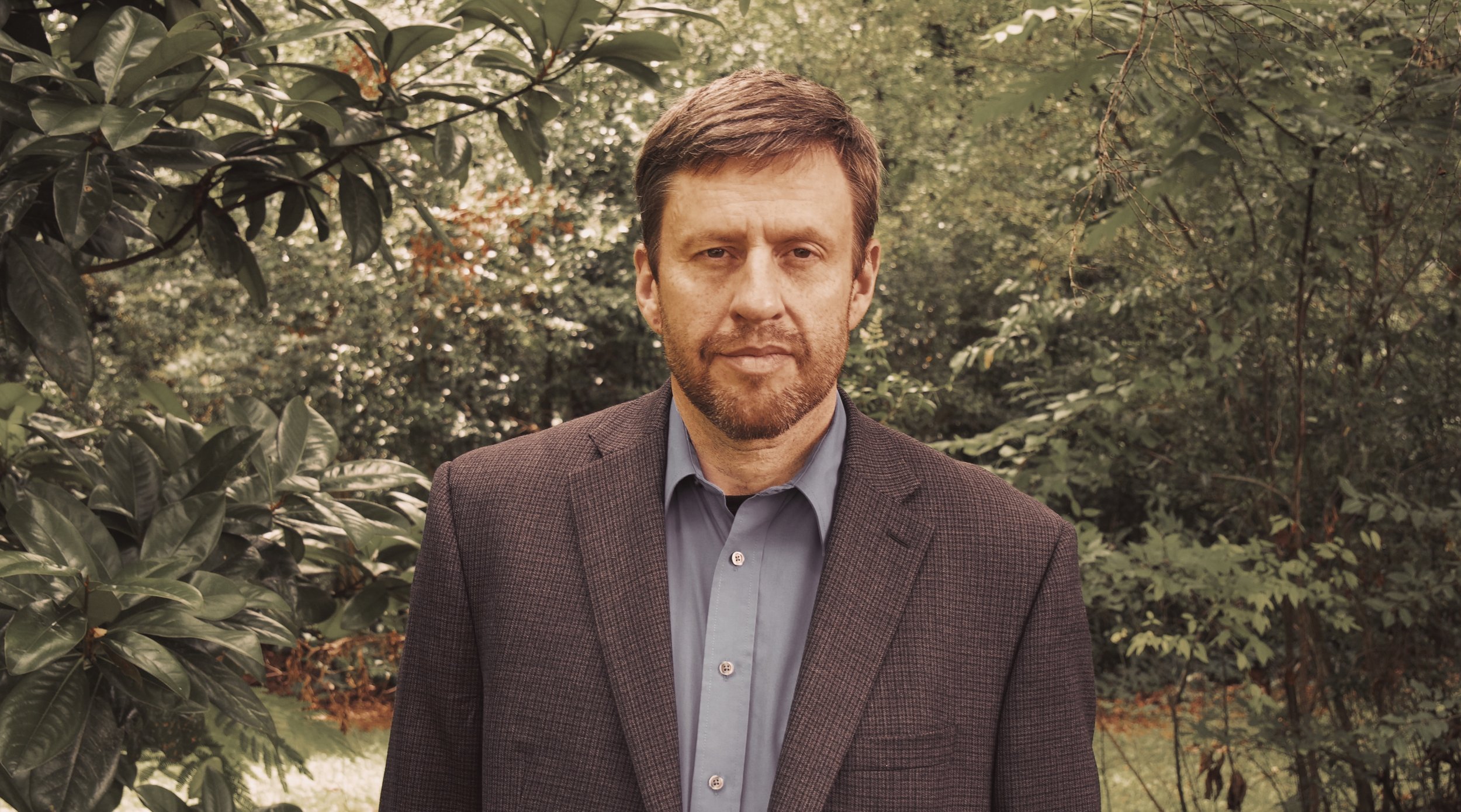
ARTICLES BY DEWAYNE
Christian Articles With A Purpose For Truth.
JESUS CHRIST: THE HISTORICAL FACTS THAT DEMAND A VERDICT
When the discussion turns to Jesus Christ, the issue is often clouded by emotion, tradition, or skepticism. Yet the question before us is not what one feels about Jesus, but what the evidence shows. Christianity is not grounded in mythological speculation, but in historical reality. The life of Jesus of Nazareth stands in the stream of verifiable history, and the facts surrounding Him are among the best-attested in the ancient world.
First, the existence of Jesus is not seriously disputed among credible historians. Even critics of Christianity affirm that Jesus lived in the first century. Roman historians such as Tacitus referred to Christ and His execution under Pontius Pilate during the reign of Tiberius (Annals 15.44). The Jewish historian Flavius Josephus made reference to Jesus, acknowledging Him as a wise man and noting His crucifixion. These are not Christian sources attempting to promote a doctrine, but external witnesses confirming the basic framework of the Gospel account.
Second, Jesus was crucified. This is one of the most firmly established facts of ancient history. Crucifixion was a Roman method of execution reserved for criminals and rebels. The Gospel records unanimously affirm that Jesus was crucified under the Roman governor Pontius Pilate, and this is corroborated by non-Christian sources. The manner of His death was public, brutal, and designed to eliminate any doubt that the victim had died.
Third, Jesus was buried. The accounts consistently report that His body was placed in a tomb. This detail is significant because it establishes a known location for His body. The burial was not a vague or symbolic claim, but a specific, testable assertion rooted in time and place.
Fourth, the tomb was found empty shortly after His burial. This is not merely a Christian claim but a historical problem that demands explanation. Even the earliest opponents of Christianity did not deny the empty tomb; instead, they attempted to explain it away. The simplest fact remains that the body of Jesus was no longer in the grave.
Fifth, numerous individuals and groups claimed to see Jesus alive after His death. These appearances were not isolated or ambiguous. They were reported by multiple witnesses, at different times, in various settings. The apostle Paul records that Jesus was seen by over five hundred individuals at one time (1 Corinthians 15:6), many of whom were still alive when that statement was written, making the claim open to investigation.
Sixth, the disciples of Jesus were transformed. Prior to the crucifixion, they were fearful and scattered. Afterward, they boldly proclaimed that Jesus had risen from the dead. This transformation is a historical reality that requires explanation. Men do not willingly suffer persecution and death for what they know to be a falsehood.
Seventh, the early church began in Jerusalem, the very city where Jesus had been executed. If the body of Jesus had still been in the tomb, the message of His resurrection could have been easily refuted. Yet within weeks, thousands were persuaded that He had risen (Acts 2:41). The growth of the early church in such a hostile environment is a fact of history.
The New Testament documents themselves bear the marks of reliability. They were written within the lifetime of eyewitnesses, not centuries later as legends. Their accounts are consistent, geographically accurate, and supported by archaeological findings. The writers appealed to known facts, not hidden mysteries (Luke 1:1-4).
When these facts are assembled, the conclusion is unavoidable: something extraordinary occurred. The skeptic must account for the empty tomb, the post-resurrection appearances, and the transformation of the disciples. Alternative theories fail under scrutiny. The resurrection of Jesus Christ is not a blind leap of faith, but the best explanation of the available evidence.
The issue, then, is not whether there is evidence. The issue is whether one is willing to follow that evidence to its logical conclusion. Jesus of Nazareth lived, was crucified, was buried, and was seen alive again. These are not mere theological assertions. They are historical facts that stand firm under examination.
Jesus is one historical figure that cannot be ignored.
BDD
FULFILLMENT, NOT REPLACEMENT: Christ Has Always Been the Covenant
People often speak as if God began with one plan and then later exchanged it for another, as though the Almighty were forced to revise His purpose. But the Scriptures do not present such a God. From the beginning, His covenant has moved steadily toward one great fulfillment—not a replacement but a completion in Christ. The promise given to Abraham was never merely about land or lineage in the flesh. He “believed God, and it was counted to him as righteousness,” showing that the covenant was grounded in faith from the outset (Genesis 15:6). Even then, God was looking beyond the visible nation to a people shaped by trust in Him.
When the prophets spoke, they did not describe a permanent earthly arrangement, but something deeper and more enduring. “The just shall live by his faith,” a principle that reaches beyond nationality and outward identity (Habakkuk 2:4). God promised a new covenant, not like the one written on stone, but one written upon the heart, where sins would be remembered no more (Jeremiah 31:31-33). This was not the cancellation of what came before, but its intended destination. The earlier covenant pointed forward, like a shadow cast by a coming reality.
The Old Testament itself prepares us to see that physical descent was never the final measure of belonging. Moses spoke of a circumcision not merely of the flesh, but of the heart, calling the people to love the Lord fully from within (Deuteronomy 30:6). The Psalms declare that those who trust in the Lord are the ones who truly know Him (Psalm 9:10). Again and again, the emphasis falls not on bloodline alone, but on faith and obedience. The outward signs were real, but they were never the ultimate goal.
When Christ came, He did not arrive to abolish but to fulfill. He stated plainly that He “came not to destroy the Law and the Prophets,” but to bring them to their full measure (Matthew 5:17). In Him, the promises find their “Yes,” their completion and confirmation (2 Corinthians 1:20). What was partial becomes whole, what was anticipatory becomes realized. This is not replacement, but fulfillment in its fullest sense, the bringing of all things into their intended unity under Christ.
The New Testament clarifies that the true children of Abraham are those who share his faith. Those who are of faith are counted as his sons, and the blessing promised to him “comes upon all who believe” (Galatians 3:7-9). This does not erase the past, it reveals its purpose. “Scripture foresaw that God would justify the nations by faith, declaring the gospel in advance to Abraham.” The covenant was always moving outward, always pointing beyond a single people to a redeemed humanity gathered in Christ.
Paul speaks plainly that not all who are descended from Israel are truly Israel in the fullest sense, for the promise is realized in those called by God through faith (Romans 9:6-8). He does not discard Israel’s role; he explains it. The physical nation served as the vessel through which the promises came, but the promises themselves reach their fulfillment in a spiritual people united to Christ. The root served its purpose, but the life flows into all who believe, whether Jew or Gentile.
In Christ, the dividing wall is broken down. He creates in Himself one new man from the two, making peace and reconciling both to God (Ephesians 2:14-16). This is not the elevation of one group over another, nor the replacement of one by another, but the uniting of all in Him. The covenant finds its completion here, where all stand on the same ground, saved by grace through faith, brought near by the blood of Christ.
Therefore, it is a mistake to speak of replacement, as though God abandoned one plan for another. The Scriptures present a single unfolding purpose, beginning in promise and ending in fulfillment. The covenant was always spiritual at its core, always aimed at the heart, always pointing to Christ. What has come in Him is not a departure from what was before, but the very thing toward which all things were moving. The shadow has given way to the substance, and the promise has found its perfect realization.
BDD
FAITH IS THE VICTORY
Faith is not a feeling that drifts with the wind, nor is it a vague hope that things might improve. Faith is confidence anchored in the character of God, a firm persuasion that what He has spoken will stand. Abram believed God when there was nothing visible to support the promise, and that belief was counted to him as righteousness (Genesis 15:6). The just have always lived by faith, not by sight, not by circumstance, but by a settled trust in the unseen God who never fails (Habakkuk 2:4; Psalm 9:10). When a man knows God, he trusts Him, and when he trusts Him, he stands.
Israel stood trembling at the edge of the sea, with no path forward and no escape behind. Yet the word came, “Do not be afraid, stand still and see the salvation of the Lord” (Exodus 14:13). Faith does not always move at first—sometimes it stands. Sometimes it refuses to panic. Sometimes it simply waits for God to act. “Trust in the Lord with all your heart, and do not lean on your own understanding,” for human reasoning cannot see what God is about to do (Proverbs 3:5-6). Faith is victory before the battle changes, because it believes God before the evidence appears.
The Old Testament repeatedly shows that God searches for one thing in people: a faithful heart. He found Abraham faithful and made a covenant with him (Nehemiah 9:8). He calls His people to believe Him and be established (2 Chronicles 20:20). A generation without faith is a generation without direction, drifting and unstable (Deuteronomy 32:20). But the one who trusts the Lord dwells securely and feeds on His faithfulness (Psalm 37:3). Faith is not merely a doctrine, it is a way of living, a steady reliance upon God in all conditions, whether fear presses in or peace surrounds (Psalm 56:3-4)
When we come into the New Testament, faith is brought into even clearer light through Jesus Christ. He did not call men to admire Him but to believe in Him. Whoever “believes in Him will not perish but have everlasting life” (John 3:16). He declared that even “faith as small as a mustard seed” can move what seems immovable (Matthew 17:20). This is not exaggeration, it is revelation. Faith connects the finite to the infinite. It is not the size of faith but the object of faith that matters, and when the object is God, nothing is impossible.
Faith is not passive. Jesus said plainly, “Have faith in God,” and tied belief to action, to speaking, to trusting without doubt (Mark 11:22-23). The apostles preached the same message: “Believe on the Lord Jesus Christ, and you will be saved” (Acts 16:31). Salvation is not earned by works of merit, but it is received through obedient faith, a faith that hears and responds. “Faith comes by hearing, and hearing by the Word of God,” so where the Word is neglected, faith cannot grow (Romans 10:17). The victory of faith is not accidental, it is cultivated by constant exposure to the Word of God.
This faith changes how a man lives. “We walk by faith, not by sight,” meaning we do not measure reality only by what we can see or feel (2 Corinthians 5:7). Faith lifts the eyes above the visible world and fixes them on the promises of God. It understands that grace saves, and that salvation is the gift of God received through faith, not a wage earned by human effort (Ephesians 2:8). Faith humbles man and exalts God, for it admits our inability and rests fully upon His sufficiency.
But faith is not optional. Without it, “it is impossible to please God. The one who comes to Him must believe that He is, and that He rewards those who diligently seek Him” (Hebrews 11:6). This is where victory is either won or lost. Not in outward success, not in visible triumph, but in whether a man truly believes God. Faith is the dividing line between those who merely hear and those who inherit the promises. It is the difference between fear and peace, between wandering and standing firm.
So faith is the victory, not because it changes God, but because it brings us into alignment with Him. It stands when others collapse, it trusts when others doubt, it obeys when others hesitate. Faith sees what God has said as already accomplished, and rests there. “Whenever I am afraid, I will trust in You,” says the faithful heart, and in that trust, fear loses its power (Psalm 56:3). Faith does not remove every trial, but it overcomes every one by fastening the soul to the unchanging God.
____________
Lord God, increase our faith. Teach us to trust You when we cannot see, to stand when we are afraid, and to obey when the path is unclear. Plant Your Word deeply within us, that our faith may grow strong and steady. In Jesus’ name, Amen.
BDD
WHEN JESUS TURNS THE LIGHT INWARD
When we read the Gospels with open eyes, we find that Jesus often overturns the expectations we bring to Him. Many assume He would spend His time opposing every outsider who did not fully understand Him, yet the record shows something different—and far more searching. His sharpest words were not aimed at distant seekers, but at those who claimed to know God while failing to reflect His heart. This is the startling reality. The intensity of Christ was directed not first toward the world, but toward religion that had lost its compassion (Matthew 23:23).
Consider the way Jesus engaged those outside the covenant. He met them with patience, dignity, and invitation. A Roman centurion’s faith was commended as remarkable (Luke 7:9), and a Samaritan woman was drawn into deep spiritual conversation that revealed truth without contempt (John 4:9-26). He spoke plainly about salvation’s origin (John 4:22), yet His tone carried no cruelty. Truth and grace moved together in Him. But when religious leaders burdened others, shut doors, and elevated themselves, His words became piercing. He rebuked those who blocked others from entering the kingdom while refusing to enter themselves (Matthew 23:13, 27).
This pattern continues through the apostles. Paul acknowledged that even those without revealed law could demonstrate a moral awareness within their hearts (Romans 2:14-15). There was recognition of sincerity without confusing it for full truth.
Yet when pride rose within religious circles, when men trusted in status and harmed others, Paul opposed it directly (Galatians 2:11; Romans 10:3). The Bible consistently exposes the same danger. A person may lack understanding and still be seeking God, but a proud spirit that wounds others stands under clear condemnation.
The conclusion is both sobering and clarifying. The truth of Christ is not displayed by harshness toward those who are searching. It is revealed in a life that mirrors His character. The Lord is not honored when His followers treat kindness as compromise. He is honored when truth is upheld with humility and love.
The servant of Christ is called to gentleness, patience, and the ability to teach without bitterness (2 Timothy 2:24-25; Colossians 4:6). The Gospel advances not through fear, but through faithful reflection of Jesus Himself.
___________
Lord Jesus, search my heart and remove every trace of pride that distorts Your truth. Teach me to walk in love while holding firmly to what is right. Let my life reflect Your grace and Your holiness together. Help me to speak with clarity, to act with compassion, and to honor You in all things. Amen.
BDD
NOT EVERYONE WHO SAYS “LORD”
The words of the Lord in Matthew 7:21-23 are indeed sobering. He declares that not everyone who calls Him Lord will enter the kingdom, but only the one who does the will of the Father. This is not a warning directed at the openly rebellious, but at those who appear religious. Some will even claim impressive works. They will say, in effect, that they spoke powerfully, acted boldly, and did many things in His name. Yet the Lord’s response is decisive. He never knew them, because they practiced lawlessness (Matthew 7:21-24).
This should not be dismissed lightly. It is entirely possible for a person to engage in religious activity for years and still fail to align with the will of God. The issue is not sincerity alone, nor effort alone, but obedience. Jesus immediately follows this warning by comparing two builders. One hears His sayings and does them, building on the rock. The other hears but does not act, building on sand. The difference is not exposure to truth, but response to it (Matthew 7:24-27).
To understand the will of the Father in this context, one must return to the teaching that precedes it. The Sermon on the Mount lays out the character and conduct that God requires. It begins with the Beatitudes, where the Lord describes those who are blessed. They are poor in spirit, recognizing their need. They mourn over sin. They are meek, not self-assertive. They hunger and thirst for righteousness, showing a deep desire for what is right. They are merciful, pure in heart, and peacemakers (Matthew 5:3-9). These are not outward displays, but inward realities that shape behavior.
The Lord then teaches that His followers must be the salt of the earth and the light of the world. Their lives are to influence others, not through display for its own sake, but through consistent good works that direct attention to God (Matthew 5:13-16). This already challenges superficial religion. It is not about being seen, but about genuinely living in a way that honors the Father.
Jesus goes further by addressing righteousness. He states plainly that unless one’s righteousness exceeds that of the scribes and Pharisees, he will not enter the kingdom (Matthew 5:20). The religious leaders were meticulous in outward observance, yet the Lord exposes the deeper issue. Anger without cause is condemned alongside murder. Lust is condemned alongside adultery. Truthfulness must be consistent, not selective. Retaliation is replaced with restraint, and love must extend even to enemies (Matthew 5:21-44). This is the will of the Father at a heart level.
Religious acts themselves are also addressed. Giving, prayer, and fasting are not rejected, but the motive behind them is examined. If they are done to be seen by others, they lose their value before God. The Lord emphasizes sincerity. Prayer is to be directed to God with genuine dependence, not empty repetition. The model prayer reflects a focus on God’s name, His kingdom, and His will, as well as trust for daily needs and forgiveness (Matthew 6:1-15). God is not impressed with display, but with devotion.
The Sermon continues by addressing priorities. One cannot serve both God and material wealth. Anxiety over physical needs is misplaced when God’s care is understood. The instruction is clear: seek first the kingdom of God and His righteousness, trusting that necessary things will be provided (Matthew 6:19-34). This again shows that the will of the Father involves trust and proper focus, not divided allegiance.
In dealing with others, Jesus warns against hypocritical judgment. One must first remove his own faults before addressing the faults of another. This does not eliminate discernment, but it demands humility and self-examination (Matthew 7:1-5). The treatment of others is further summarized in what is often called the Golden Rule. One is to treat others as he would want to be treated, which the Lord identifies as the essence of the Law and the Prophets (Matthew 7:12).
The Lord also speaks of the narrow gate and the difficult way that leads to life, contrasted with the broad way that leads to destruction (Matthew 7:13-14). This indicates that true obedience is not the majority path. It requires deliberate choice. False prophets are to be identified by their fruits, not their claims (Matthew 7:15-20). This reinforces the earlier warning. Words alone do not determine standing before God. Conduct reveals reality.
When all of this is considered together, the meaning of Matthew 7:21-23 becomes clear. The will of the Father is not limited to isolated religious acts. It is a comprehensive way of life shaped by the teachings of Christ. Those who ignore these teachings while appealing to their works misunderstand the nature of obedience. The Lord is not impressed with activity that is disconnected from His instruction.
Should this produce fear in the faithful believer? It should produce reverence and careful self-examination, not paralyzing fear. The one who is sincerely striving to follow the teachings of Christ, who responds to His word and seeks to apply it, has reason for confidence grounded in obedience (1 John 2:3-5). The warning is directed at complacency and hypocrisy, not at genuine faithfulness.
Yes there will indeed be surprises, but not for those who truly take to heart the words of Christ. The issue is not how much religious activity fills a life, nor how visible one’s works may appear, but whether the heart has been shaped into love. It is not the loud profession, but the quiet practice of mercy that endures. To hear Him rightly is to reflect Him, and to reflect Him is to treat others with patience, kindness, and grace.
The one who builds upon the rock is not the one most occupied with outward acts of devotion, but the one who walks in humble obedience, showing compassion, forgiving freely, and doing good without seeking recognition. This is the life that stands, because it is rooted not in performance, but in love lived out toward others.
____________
Righteous Father, help us to hear the words of Your Son and to do them. In Jesus’ name, amen.
BDD
JESUS AND MUHAMMAD: A QUESTION OF AUTHORITY AND TRUTH
It is popular to place the founders of religions side by side, as though truth were discovered by comparison and Christ could be weighed against other voices. But this approach begins in error, for it assumes that Jesus Christ belongs in the same category as other religious leaders. He does not. He stands alone.
The question is not which teacher we prefer, but whether God has spoken finally and decisively in His Son. The Bible presents Jesus not merely as a messenger, but as the very embodiment of divine truth and authority, the One in whom all the fullness of God dwells (Colossians 2:9; Hebrews 1:1-3).
Jesus did not speak as one pointing away from Himself. He called men to come to Him, to believe in Him, to follow Him. He declared that He and the Father are one (John 10:30), that to see Him is to see the Father (John 14:9), and that He possesses authority on earth to forgive sins (Mark 2:5-10). These are not the words of a mere prophet. They are the claims of one who understood His identity in the most exalted terms. If these claims are false, then He cannot be a good teacher. If they are true, then He cannot be placed alongside any other religious figure as an equal.
By contrast, Muhammad consistently identified himself as a prophet, one who delivered a message but did not claim deity. He pointed beyond himself to the revelation he proclaimed. This distinction is not minor. It is fundamental. Jesus claimed to be the object of faith; Muhammad called men to submit to a system of belief. One invites trust in His person; the other directs obedience to a message. These are not parallel roles, and they should not be confused.
The decisive issue, then, is evidence. Christianity is rooted in history, not myth or abstraction. The New Testament documents were written within the lifetime of eyewitnesses and testify plainly to the resurrection of Jesus Christ. The apostles did not merely teach ethical principles; they proclaimed that Jesus was crucified, buried, and raised again on the third day (1 Corinthians 15:3-8). This message was not offered in secrecy, but in the very city where these events occurred. The empty tomb, the transformed lives of the apostles, and the rapid spread of the gospel all point to a single, unavoidable conclusion: Jesus rose from the dead.
If Jesus rose, then His claims are confirmed. His authority is not derived from human reasoning or later tradition, but from the direct act of God in history. This places Him above all others. No other religious leader has validated his message in this way. The resurrection is not merely a doctrine; it is the cornerstone upon which the entire Christian faith stands. Remove it, and Christianity collapses. Establish it, and all competing claims must yield.
This leads to a necessary conclusion. We are not at liberty to treat Jesus as one option among many. He is either Lord or He is not. The evidence does not permit a middle ground. The apostles preached Him as both Lord and Christ (Acts 2:36), and they called all men everywhere to repent and submit to His authority (Acts 17:30-31). That call remains unchanged. It is not shaped by cultural preference or interreligious dialogue, but by the reality of who Jesus is.
The matter is therefore urgent and personal. Each individual must decide what to do with Jesus Christ. It is not enough to admire Him or to place Him in a collection of respected figures. He demands allegiance. He offers forgiveness, but He also commands obedience. He is Savior, but He is also King. To reject Him is to reject the One whom God has appointed as judge of the living and the dead (2 Timothy 4:1).
In the end, the issue is not Jesus over Muhammad as a matter of rivalry, but Jesus above all as a matter of truth. The evidence points in one direction. The claims of Christ demand a response. And the gospel calls every person, not to comparison, but to submission—to bow before the risen Lord and to find in Him the only hope of salvation.
BDD
HE WILL HOLD ME FAST AND I WILL FOLLOW ON
When the eyes are fixed on Christ, wonderful things happen in the soul. It is not the boast of the flesh, nor the confidence of self-effort, but a quiet, unyielding determination born of grace: I will not quit. I will follow Jesus until the end. For it is God Himself “who has begun” the work, shaping and forming us as “His own workmanship, created in Christ Jesus for good works that He prepared beforehand, that we should walk in them” (Philippians 1:6; Ephesians 2:10). The path is not always smooth, but it is certain, because the One who calls us walks before us and within us.
When the heart considers that God is for us, a deep courage takes hold. What opposition can finally stand when the Almighty has set His love upon His people (Romans 8:31)? The storms may rage, accusations may rise, and weakness may be felt keenly, yet the believer stands not in his own strength but in the favor of God. This is not a fragile hope, easily shaken, but a grounded assurance that flows from the eternal purpose of God in Christ Jesus. Even when we tremble, He remains steady.
Yet this confidence does not produce carelessness. The same Lord who gives eternal life also calls us to abide. He declares that His sheep hear His voice, that He knows them, and that they follow Him, and He gives them life that does not perish, for none can snatch them from His hand (John 10:27-28). Here is the mystery of grace and responsibility held together without contradiction. God holds on to us with unbreakable strength, and we, by faith, cling to Him with a living, active trust. It is not a lifeless profession but a continuing relationship.
There is a balance here that must not be disturbed. If we lean only upon our own grip, we fall into fear and despair. If we speak only of God’s keeping while neglecting faithfulness, we drift into presumption. But the gospel weaves these together with perfect harmony: we are kept by the power of God through faith for salvation ready to be revealed (1 Peter 1:5). The power is His, the faith is living and ongoing, and the end is secure for those who continue in that faith grounded and steadfast.
And when we look to the Lord, we begin to see this same harmony reflected in the body of Christ. Love does not war against truth, nor does joy cancel out perseverance. Faithfulness stands alongside grace, not in opposition to it. The fruit of the Spirit grows together as one living testimony of Christ within His people, binding hearts in unity and directing all glory back to Him (Galatians 5:22-23; John 15:4-5). Each grace has its place, and all must remain rooted in Him.
So the call is clear: continue. Not in anxious striving, but in abiding faith. Not in self-reliance, but in dependence upon the One who sustains. The believer presses on, not to earn salvation, but because salvation has taken hold of him. There is a forward movement in grace, a steady walk, a daily looking unto Jesus, the author and finisher of faith (Hebrews 12:2; Luke 9:23). This is not momentary belief, but sustained trust that endures.
Let the heart, then, take courage and press forward with holy determination. He will not fail to keep His own, and those who are truly His will not turn away from Him. The hand that holds us is strong, and the faith that clings is sustained by His Spirit. In this, there is rest—and there is resolve.
_____________
Lord, You who have called us and kept us, strengthen our faith to endure. Teach us to abide in Christ with a steady heart, trusting in Your power and walking in Your ways. Keep us from fear on one side and presumption on the other, and anchor us in the truth that You hold us fast even as we follow after You. Let our lives reflect Your grace with love, joy, and faithfulness, until the day we see You face to face. Amen.
BDD
GOD CAN USE YOU
The tendency of man is to measure usefulness by prominence, but the Word of God does not support such a conclusion. The Lord has always employed ordinary people to accomplish extraordinary purposes. Moses protested his inadequacy, yet God declared that He would be with his words (Exodus 4:10-12). Gideon considered himself the least in his family, but he was called a mighty man of valor (Judges 6:15-16). The point is plain. God’s selection is not governed by human standards. He uses those who are willing.
The New Testament reinforces this principle. Paul reminded the Corinthians that not many wise according to the flesh, not many mighty, not many noble are called, but God has chosen the weak things of the world to put to shame the strong (1 Corinthians 1:26-29). This eliminates boasting. If success were based on human ability, man would take the credit. Instead, the excellence of the power belongs to God, not to us (2 Corinthians 4:7). This truth should both humble and encourage. One need not possess exceptional talent to be useful in the Lord’s service.
Usefulness, however, is not automatic. It requires submission. Isaiah, when confronted with the holiness of God, acknowledged his own unworthiness, yet responded, “Here am I! Send me” (Isaiah 6:5-8). That is the attitude God can use. Availability precedes ability. A person who refuses to act cannot be employed in the work of the Lord, regardless of potential. On the other hand, one who is willing to learn and obey becomes an instrument prepared for good works (2 Timothy 2:21).
It is also necessary to recognize that God’s use of an individual may not be visible on a large scale. The Scriptures commend quiet faithfulness. Dorcas was known for her good works and charitable deeds (Acts 9:36). Timothy was instructed to be an example in word, conduct, love, spirit, faith, and purity (1 Timothy 4:12). These are not spectacular acts, yet they are essential. Influence often operates in personal settings where character is observed consistently over time (Matthew 5:16).
Excuses must be set aside. Some claim lack of knowledge, but growth comes through study (2 Timothy 2:15). Others fear opposition, yet the Lord has not given a spirit of fear, but of power and a sound mind (2 Timothy 1:7). Still others believe their past disqualifies them, though Paul himself had been a persecutor and was still used effectively after his repentance (1 Timothy 1:12-14). The pattern is clear. Barriers are removed when one submits to God’s will.
The conclusion is unavoidable. God can use you, but not apart from your cooperation. You must decide to serve. The fields are white for harvest, and the need is ongoing (John 4:35). Those who present themselves to God as instruments of righteousness will find that He provides the opportunities and the strength required (Romans 6:13).
____________
Almighty God, help us to see that our usefulness depends on our willingness to serve You. Remove our excuses, strengthen our faith, and guide us in Your work. Use us in whatever way You see fit, and help us to remain faithful in all things. In Jesus’ name, amen.
BDD
FISHERS OF MEN
When our Lord called His first disciples, He spoke with striking simplicity and authority: “Follow Me, and I will make you become fishers of men” (Matthew 4:19). It was a clear declaration of purpose. Those who follow Christ are not merely to admire Him, nor only to receive blessings from Him, but to participate in His mission. The transformation is intentional. He does not say they already are fishers of men, but that He will make them so. Discipleship is a process that results in usefulness.
Fishing, as an occupation, requires patience, knowledge, and effort. No fisherman expects a catch without labor. In the same way, the work of bringing souls to Christ is not accidental. It involves teaching, persuasion, and consistent example. The apostles understood this. After the Lord’s resurrection, they went everywhere preaching the word, not relying on human wisdom, but presenting the truth plainly so that honest hearts could respond (Acts 8:4). The gospel itself is the power that draws men, not human cleverness (Romans 1:16).
There is also method in the metaphor. Fishermen use nets or lines, tools suited to the task. In the spiritual sense, the “net” is the gospel message. Jesus once described the kingdom as a net cast into the sea, gathering of every kind, with a separation to follow (Matthew 13:47-48). This emphasizes both the universality of the call and the certainty of judgment. Our responsibility is to cast the net faithfully. God is the one who gives the increase (1 Corinthians 3:6-7).
The Lord instructed His followers to go, teach, and make disciples of all nations, baptizing them and continuing to teach them His commands (Matthew 28:19-20). This responsibility is not limited to a select few. While not all have the same role publicly, every Christian is to influence others toward Christ through word and conduct (Matthew 5:14-16; 1 Peter 3:15).
There is urgency in this work. Souls are not indifferent matters. Each person will stand before God in judgment (2 Corinthians 5:10). To neglect the opportunity to teach others is to fail in love. Paul spoke of his obligation to preach the gospel, declaring that necessity was laid upon him (1 Corinthians 9:16). That same principle applies in a broader sense to all believers. If we truly understand the value of the soul and the reality of eternity, we will not remain silent (James 5:20).
At the same time, the work must be done with integrity. There is no place for manipulation or dilution of truth. The gospel must be presented as it is, even when it is unpopular. Some will accept it, others will reject it. Our task is not to guarantee results, but to remain faithful in teaching the Word of God accurately.
The call to be fishers of men is a call to active, purposeful Christianity. It is grounded in obedience, motivated by love, and guided by truth. Those who follow Christ will, over time, reflect His concern for the lost and engage in His work. Anything less falls short of the pattern God has revealed.
BDD
AS THE DEER PANTS FOR THE LIVING GOD
Within the renewed soul a sacred hunger arises that no earthly stream can satisfy, a thirst that grows more intense the more it tastes of God. The psalmist speaks as a hunted deer, weary and desperate, longing for cool waters, and in that image we behold the true believer’s heart. “As the deer pants for the water brooks, so my soul longs for You, O God” (Psalm 42:1). This is no casual interest in divine things, no passing inclination, but a deep, inward craving, a holy necessity. The man who has truly seen God cannot live without Him, just as the body cannot live without breath (Acts 17:28).
The world offers many streams, yet they are but broken cisterns that hold no water; they promise refreshment but leave the lips dry and the heart unsatisfied (Jeremiah 2:13; Ecclesiastes 1:8). The soul, once awakened, begins to discern the difference. It has tasted something real, something living, and now all else seems shallow. There arises within it a cry, “My soul thirsts for God, for the living God. When shall I come and appear before Him?” (Psalm 42:2). This longing is not a sign of weakness, but of life. Dead souls do not thirst. It is the living who feel the ache of distance and the sweetness of pursuit (John 7:37–38, Psalm 63:1).
Yet even the godly know seasons where God seems distant, when prayers rise like mist and return without answer, and tears become their daily bread (Psalm 42:3). In such hours, the enemy whispers, “Where is your God?” But faith must answer with memory and hope. The psalmist recalls the days of joyful worship, the multitude gathered, the voice of praise ascending like incense (Psalm 42:4). He speaks to his own troubled heart, “Why are you cast down, O my soul? Hope in God; for I shall yet praise Him” (Psalm 42:5). There is a holy stubbornness in true faith, a refusal to let despair have the victory.
This thirst, though painful, is a gift of grace. It draws the believer away from shallow comforts and presses him toward the fountain of living waters. The Lord Himself invites the weary, saying in effect, come and drink freely, come and be filled (Isaiah 55:1; John 7:37-39; Revelation 22:17). Our Lord Jesus, standing among the crowds, cried out plainly, “If anyone thirsts, let him come to Me and drink” (John 7:37). Here is the answer to the panting soul—not mere doctrine, not ritual alone, but Christ Himself, the living source.
Oh, that we might not dull this holy thirst with the trifles of the world, nor quiet it with lesser things. Better to feel the ache and run to God than to be comfortably numb and far from Him. “Blessed are those who hunger and thirst for righteousness, for they shall be filled” (Matthew 5:6). The promise stands sure. The longing heart will not be turned away. God delights to satisfy the soul that seeks Him in truth (Psalm 107:9).
Let us then cultivate this longing, stirring up our hearts to seek the Lord while He may be found, calling upon Him while He is near (Isaiah 55:6). Let every dry season drive us deeper, every sorrow press us closer, until we find our rest in Him alone. For in His presence there is fullness of joy, and at His right hand are pleasures forevermore (Psalm 16:11).
___________
O living God, awaken within us a deeper thirst for You. Let our souls not be content with shallow waters, but draw us to the fountain of life in Christ. When we are cast down, lift our eyes again to hope in You. Satisfy our longing hearts, and keep us near to You all our days. Amen.
BDD
LOVE IS ALL AROUND
Some seem to believe that heaven has withdrawn and that love is a distant thing, reserved for brighter days or holier people. Yet the testimony of God’s word contradicts such despair, declaring that the earth is full of the goodness of the Lord, that His mercy surrounds us even when we do not perceive it (Psalm 33:5; 139:5-6). Love is not scarce in God’s world. It is abundant, poured out like light at dawn, resting upon the just and the unjust alike (Matthew 5:45). The problem is seldom the absence of love; it is the dullness of our sight.
There was a song made popular in the 1960s by The Troggs, a simple refrain declaring that love is all around, not something to be earned or chased, but something already present if one would only feel it in the fingers and in the toes. Though written as a romantic expression, the thought rises higher when viewed through the lens of the gospel. For the believer, love is not merely an emotion drifting through the air; it is the very character of God Himself, who has drawn near in Christ (1 John 4:8-10). The Christian does not grope for love as though it were hidden. He awakens to find himself already surrounded by it, upheld by it, sustained by it.
Sammy Davis Jr. also touched upon this theme of love’s nearness. His rendition of “Love Is All Around,” a song first written by Sonny Curtis for The Mary Tyler Moore Show, is epic. His voice, rich and expressive, carries the theme beyond mere television sentiment and into something more personal, almost confessional. There is a warmth in his delivery, a suggestion that love is not distant or abstract, but present and pressing in upon the soul, waiting to be noticed. And yet, how much fuller does that truth become when we lift our eyes to Christ, for the love that surrounds us in this world finds its deepest meaning in the love that has come to dwell within us by faith (Ephesians 3:17-19).
Oh, that we would train our hearts to recognize this divine presence. The breath in your lungs is a gift of love. The Scriptures open before you are a letter written in love. The cross stands as the eternal declaration that love has not only come near but has borne our sin and carried our sorrow (John 3:-6; Romans 5:6-8; Isaiah 53:4-5). When we say that love is all around, we do not speak vaguely; we speak of a crucified and risen Savior who fills all things and draws all things to Himself (Ephesians 1:22-23; John 12:32).
Yet there is a solemn warning hidden within such abundance. If love is truly all around, then our failure to perceive it is not due to its absence but to our neglect. We walk through a world drenched in mercy while complaining of drought. We sit beneath the cascade of grace while lamenting thirst. Let us repent of such blindness and ask the Lord to open our eyes, that we might behold wondrous things out of His love (Psalm 119:18; 2 Kings 6:17).
And when the heart is awakened, everything changes. The believer begins to see love in providence and in trial, in correction and in comfort, in the quiet whisper and in the roar of His power (Psalm 29:3-4). Love is no longer a fleeting feeling but a constant reality, as steady as the throne of God and as enduring as His Word.
So let the world sing its songs, and let them carry whatever fragments of truth they may. But let the Christian sing a fuller song, one that rises above sentiment into certainty, declaring that love is not merely around us, it has redeemed us, claimed us, and will never let us go (Romans 8:38-39; John 10:27-29).
____________
O Lord of everlasting love, open our eyes to behold the fullness of Your mercy surrounding us each day. Deliver us from blindness and coldness of heart, and teach us to rest in the love revealed in Jesus Christ. Let us walk in the assurance that we are held, guided, and kept by Your gracious hand. And may our lives reflect that love to a world longing to see it. In Jesus’ name, Amen.
BDD
FREE THE PREACHERS
What could be more unsettling than a pulpit that has learned to whisper when it ought to thunder. When one stands to preach, they do not stand as a representative of a board, a tradition, or a carefully managed consensus. They stand, if they stand rightly, as a servant of the Word of God. The apostle Paul charged Timothy to “preach the word in season and out of season, to reprove, rebuke, and exhort with all longsuffering and teaching” (2 Timothy 4:2), and that charge did not come with a footnote requiring approval from the scholars of any age. Truth is not decided by committee. It is revealed by God.
The danger in many places today is not open false doctrine, but a quiet suffocation of truth under the weight of expectation. A preacher may feel the unspoken pressure to remain within certain accepted lines, to avoid conclusions that might unsettle long-held assumptions, or to echo the voices of respected teachers rather than wrestle honestly with the text. Yet the Bereans were commended not for their loyalty to established authority, but because they searched the Scriptures daily to see whether the things they heard were so (Acts 17:11). That spirit must be restored. A preacher must be free to open the Scriptures and follow them wherever they lead.
This is not a call to reckless speculation or doctrinal chaos. The standard remains the same. If any man speaks, let him speak as the oracles of God (1 Peter 4:11). But within that sacred boundary, there must be liberty. Let the man study. Let him labor in the text. Let him test his conclusions carefully, comparing Scripture with Scripture (1 Corinthians 2:13). And if he can make his case from the Word of God, then let him speak it with conviction. The church does not need parrots repeating inherited phrases. It needs men who are persuaded by truth and willing to declare it.
There is also a responsibility that rests upon those who listen. Congregations must decide what they truly want. If they desire comfort above truth, they will inevitably silence the very voices that could help them grow. But if they love the Lord, they will hunger for His Word, even when it challenges them. Paul warned that a time would come when people would not endure sound doctrine, but would gather teachers who say what their ears desire (2 Timothy 4:3). That warning is not theoretical. It is present. And the only remedy is a renewed commitment to truth, wherever it may lead.
At the center of all of this stands Christ. If a man is not consumed with Jesus Christ, he has no business in the pulpit. The apostle resolved to know nothing among the Corinthians except Jesus Christ and Him crucified (1 Corinthians 2:2). That is the measure. Not cleverness, not reputation, not institutional loyalty, but a heart anchored in the Son of God. A preacher must love Christ, live in Christ, and point others to Christ. If that fire is absent, no amount of learning can compensate for it.
So let the preachers be free—not to wander, but to be bound more closely to the Word of God. Let them think, study, and speak with integrity. Let them refuse to be governed by fear of losing position or approval. And let the church seek out such men, men whose allegiance is not to a faction, but to the truth revealed in the Bible. In such an atmosphere, the Word of God will not be chained (2 Timothy 2:9), and the people of God will be strengthened, not by tradition, but by the living truth that endures forever (1 Peter 1:25).
____________
Heavenly Father, raise up faithful men and women who will handle Your Word with honesty and courage. Deliver Your servants from fear, and anchor them firmly in the truth. Give them hearts that burn with love for Christ and a deep desire to serve Your people. Amen.
BDD
CHRIST SUFFICIENT: THE SIMPLE PATH OF LIFE
There is simplicity in the gospel—beautiful, something you can hear one time and respond completely—holy clarity that cuts through the noise of human striving and religious adornment. Men have often imagined that to come near unto God requires a mastery of language, a grasp of ancient customs, or a careful observance of sacred forms.
Yet the Lord of glory has not hidden Himself behind such barriers. He has drawn near in Christ Jesus, so that even the simplest soul may find Him. Christ’s apostle tells us that the word of salvation is near, even in the mouth and in the heart—that if one confesses the Lord Jesus and believes that God raised Him from the dead, he shall be saved (Romans 10:8-9). Here is no burden too heavy, no gate too narrow for the humble believer.
The heart of true religion is not found in external observances but in a living union with Christ. One may know many things and yet miss the one thing needful. One may speak with supposed precision about “the law” and yet fail to walk in love. But the one who loves Christ, who clings to Him as Savior and Lord, has entered into the very life of God.
Our Lord Himself declared that the greatest commandment is to love the Lord your God with all your heart, and the second is like it, to love your neighbor as yourself (Matthew 22:37-39). Upon these hang all the law and the prophets. Love, then, is not a lesser path. It is the fulfillment of all that God has required.
How freeing it is to know that acceptance with God does not rest upon our ability to reconstruct ancient practices or to wear the garments of another covenant age. Christ has fulfilled the law in His own body and has brought us into a new and living way (Hebrews 10:19-20). The dividing wall that once stood as a witness against us has been broken down, and peace has been made through the blood of His cross (Ephesians 2:14-16). We are not called to rebuild what Christ has removed, but to abide in what He has accomplished.
This does not lead us into carelessness, but into deeper devotion. For the love of Christ constrains us, not to earn His favor, but because we already possess it (2 Corinthians 5:14). When the soul beholds the cross, when it sees the Son of God giving Himself in mercy, it cannot remain cold or indifferent. Love awakens love. Obedience flows not from compulsion but from affection. The commandments of God are no longer grievous, for they are written upon the heart by the Spirit (1 John 5:3; Jeremiah 31:33).
Let no one deceive you into thinking that something more is required to make you acceptable before God than what Christ has already provided. You do not need a veil to stand in His presence, for the veil has been torn (Matthew 27:51). You do not need the shadows, for the substance has come. You do not need to ascend by human effort, for Christ has descended in grace. What you need is Him—His mercy, His righteousness, His life within you. And having Him, you have all.
So come as you are, with empty hands and a trusting heart. Love Him who first loved you, and let that love overflow to those around you. In this is the true service of God, pure and undefiled, that springs not from ritual but from a redeemed soul. And in that simple, holy path, you will find that heaven has already begun within you (Galatians 5:6).
____________
Gracious Lord, we thank You that You have made the way of life plain and open through Your Son. Deliver us from trusting in outward things, and draw our hearts to rest wholly in Christ. Teach us to love You with sincerity and to walk in love toward others. In Jesus our Lord. Amen.
BDD
RUTH: PROVIDENCE IN THE FIELD OF REDEMPTION
The book of Ruth stands as one of the most carefully constructed narratives in Scripture, demonstrating the quiet yet unmistakable providence of God in the affairs of men. Set “in the days when the judges ruled” (Ruth 1:1), a period marked by moral instability and covenantal unfaithfulness, the account unfolds not through national upheaval, but through the ordinary struggles of famine, migration, and family loss. Yet even in these circumstances, the text reveals an ordered divine hand working behind human decisions, guiding events toward a redemptive outcome that the participants themselves could not have foreseen (Ruth 2:3).
Naomi’s journey from Bethlehem to Moab and her eventual return is not merely geographical; it is theological. The loss of her husband and sons appears, at first glance, to be a collapse of hope. Yet the narrative consistently frames these events within the larger movement of God’s providence. Ruth’s steadfast decision—“where you go, I will go; your people shall be my people” (Ruth 1:16-17)—becomes the turning point of the account. What appears to be a Moabite woman’s personal loyalty is, in reality, the instrument through which God continues His covenantal purposes.
The introduction of Boaz into the narrative provides the legal and redemptive framework that gives Ruth its theological depth. Boaz is not merely a benevolent landowner; he functions as the kinsman-redeemer, the goel, whose responsibility was to preserve family lineage and restore inheritance rights. His actions in the barley field and at the city gate are not sentimental gestures but lawful fulfillments of covenant obligation (Ruth 2:20; 4:9–10). In this way, the narrative reflects the ordered structure of Israel’s law, demonstrating that redemption operates within divine instruction rather than emotional impulse.
A significant feature of the book is its emphasis on providence without overt miracle. God is not directly visible in speech or sign, yet His activity is unmistakable in timing and circumstance. Ruth “happened” to come to Boaz’s field (Ruth 2:3), a phrase that carries narrative irony rather than randomness. The text subtly teaches that what appears coincidental in human experience is often the outworking of divine arrangement (Romans 8:28; Esther 4:14). The theological sophistication of this presentation is consistent with the broader biblical pattern in which God governs through ordinary means.
The legal resolution in chapter four brings clarity to the entire narrative structure. Boaz’s public redemption of the land and his marriage to Ruth are confirmed by the elders at the gate, ensuring that the act is both lawful and binding (Ruth 4:1-11). The birth of Obed completes the transformation of the account from personal tragedy to covenantal restoration. Naomi, once emptied, is now nourished through the child who will carry forward the family line, demonstrating the reversal characteristic of divine providence in the Bible.
The closing genealogy situates Ruth within the broader redemptive history of Israel, tracing the lineage from Perez to David (Ruth 4:18-22). This is not incidental historical detail but theological placement. The narrative anticipates the Davidic covenant and ultimately points forward to the Messianic line. In this sense, Ruth functions as both historical record and theological bridge, connecting the period of the judges to the monarchy and, ultimately, to the unfolding plan of redemption centered in Christ.
BDD
HALLEY’S COMET: THE ORDER OF THE HEAVENS AND THE HAND OF GOD
There are likely few things in the night sky that stir both wonder and reflection like Halley’s Comet. It arrives on schedule—roughly every seventy-six years—cutting across human generations like a faithful celestial traveler. Astronomers can chart it, predict it, and trace its path with precision, yet its presence still carries a reminder that the heavens are not random. They move with order, rhythm, and consistency, echoing the truth that “the heavens declare the glory of God” (Psalm 19:1-2).
When Halley’s Comet sweeps through the inner solar system, it is not acting outside of design, but within it. The predictable orbit points to laws that are stable and dependable. That stability itself becomes a testimony. The Bible speaks of God appointing the sun, moon, and stars not merely as decoration, but “for signs and seasons” (Genesis 1:14; Psalm 104:19). The heavens are not chaotic canvases—they are governed works of divine intelligence.
Historically, humanity has responded to comets with fear, superstition, and speculation. Yet as knowledge has increased, fear has given way to understanding. Still, even with understanding, awe remains. The more we learn about orbital mechanics, gravitational forces, and celestial cycles, the more we are confronted with the depth of order embedded in creation. As Paul once reasoned with men of Athens, the created world is meant to direct thoughtful minds toward the Creator (Acts 17:24-27).
Halley’s Comet itself bears witness to persistence and continuity. It does not appear randomly or unpredictably, but returns in its appointed time, reminding us that what God has set in motion He also sustains. The same God who “stretches out the heavens like a curtain” also upholds all things by His power (Isaiah 40:22; Hebrews 1:3). The comet becomes, in its own silent way, a sermon written across the sky about order, sovereignty, and endurance.
There is also something humbling in its brief appearance. For a few months it is visible, then it disappears into the depths of space for decades. Human life feels similar in comparison—brief, fleeting, and quickly passing. The Word compares our days to a vapor that appears for a little time and then vanishes (James 4:14). Halley’s Comet, returning across generations, demonstrates that creation outlasts the individual observer, yet both are still under God’s care.
But the greater lesson is not simply astronomical—it is spiritual. If God has appointed the path of a comet with such precision, how much more can He be trusted with the course of a human life? The One who orders the heavens is not distant from His creation. He is near, sovereign, and purposeful in all He does, guiding history toward His appointed end.
_____________
Our Father, we stand in awe of Your works in the heavens and in the earth. Teach us to see Your hand not only in the vastness of space but in the smallness of our daily lives. Strengthen our faith to trust Your order, Your wisdom, and Your timing. Draw our hearts upward, that we may live with reverence before You. In Jesus’ name, Amen.
BDD
GROWING BY THE WORD OF GOD
There is a growth that is not of man’s striving, nor of his own careful tending, but of heaven’s working within the soul. It is the growth that comes when a man feeds daily upon the Word of God, not as a task to be finished, but as bread to be eaten. For just as the body cannot thrive without nourishment, neither can the soul advance in grace without a steady, reverent intake of divine truth. The heart that neglects the Scriptures will soon find itself lean, restless, and susceptible to every wandering wind of doctrine (Matthew 4:4; Ephesians 4:14).
The Word of God is no mere collection of sacred sayings. It is living seed, full of hidden vitality, ordained to bring forth fruit in due season (Hebrews 4:12). When it enters the heart, it does not remain idle (1 Thessalonians 2:13). It convicts, it corrects, it comforts, and it transforms (2 Timothy 3:16-17; 4:2-4). A man may read many books and remain unchanged, but let him read the Scriptures with a humble spirit, and he will not remain as he was. The truth will take hold of him, and by degrees, almost imperceptibly, he will be made new in thought, desire, and affection (Hebrews 4:12; Romans 12:2).
Yet growth does not come by a careless glance at holy things. The Word must be received as the infant receives milk, with longing and dependence (1 Peter 2:2). There must be a hunger for it, a thirst that drives the soul again and again to its fountain. Many wonder why they do not grow, while their Bibles lie closed or are opened only in passing. Would you expect a tree to flourish if it were watered but once a week? Even so, the soul requires continual nourishment, line upon line, precept upon precept, day by day (Isaiah 28:10).
There is also a secret sweetness in the Word known only to those who linger in it. At first, it may seem difficult, even dry to the hurried reader. But to the one who abides, who meditates, who turns the truth over in the heart as one would savor a precious gift, there comes a richness that cannot be described. The promises begin to shine, the character of Christ becomes more precious, and the ways of God grow more glorious in the eyes of faith (Psalm 1:2-3; Psalm 119:103).
And let it be remembered that growth by the Word is always unto Christlikeness. It is not knowledge for its own sake, nor doctrine merely to be debated. The true end of Scripture is to conform us to the image of the Son, to humble our pride, to deepen our love, and to fix our hope more firmly upon things above. If a man claims to know the Word but remains harsh, unyielding, and worldly, he has not truly received it as he ought. For where the Word dwells richly, there Christ reigns supremely.
Therefore, take up the Word with reverence and joy. Let it be your morning light and your evening meditation. Carry it with you into the common duties of life, and let it speak into your sorrows, your temptations, and your hopes. For in this sacred Book, God has given not only instruction for the mind, but nourishment for the soul, strength for the weary, and life for all who believe.
____________
Lord, plant Your Word deep within my heart, that it may take root and bear fruit unto Your glory. Give me a hunger for Your truth and a delight in Your ways. Shape me by Your Word into the likeness of Christ, and keep me faithful in seeking You day by day. Amen.
BDD
UNWORTHY BEGGARS AT THE FOOT OF THE CROSS
There is a leveling place in this world where all distinctions fade, where pride is silenced and every mouth is stopped, and that place is the foot of the cross. We may spend our days measuring ourselves against others, finding comfort in comparisons, excusing our own failures by pointing to someone else’s, yet the Word of God brings us to a different reckoning. It tells us that all have sinned and fall short of the glory of God, that there is none righteous, not even one (Romans 3:10, 23). When that truth settles upon the soul, it strips away every illusion of superiority and leaves us standing as we truly are.
We have all failed, and not merely in small ways. Our sins are not isolated accidents but the fruit of hearts that have wandered from the living God. We have loved what we should have hated and neglected what we should have cherished. Even our best efforts are stained, for the Scriptures teach that all our righteousnesses are like filthy garments before Him (Isaiah 64:6). It is not simply that we have made mistakes, but that we are undone apart from mercy. And so we come, not as contributors to our salvation, but as beggars who have nothing to bring.
Yet it is here, in this place of emptiness, that grace shines most brightly. For the same Word that exposes our unworthiness also declares that God demonstrates His love toward us in that while we were still sinners, Christ died for us (Romans 5:8). The cross is not a reward for the worthy, but a rescue for the guilty. Christ did not wait for us to improve ourselves, to clean our hands or steady our steps. He bore our sins in His own body on the tree so that we, having died to sin, might live unto righteousness (1 Peter 2:24). What we could never earn, He freely gives.
This truth humbles the heart and heals it at the same time. It humbles us because we see that we stand no higher than anyone else, that the ground at the cross is level, and that every soul must come by the same blood. It heals us because it assures us that our failures are not final. There is forgiveness with Him, that He may be feared, and as far as the east is from the west, so far has He removed our transgressions from us (Psalm 130:4, 12). The beggar who comes empty does not leave empty, for grace fills what sin has hollowed.
And how this should shape the way we look upon others. If we are but beggars who have found bread, how can we look with contempt upon those who are still hungry? If we have been forgiven much, should we not forgive as we have been forgiven (Matthew 18:33)? The cross not only reconciles us to God, but it reshapes our posture toward other people. It teaches us to walk in humility, to speak with gentleness, and to remember always what we have been saved from.
So let us come and remain at the foot of the cross. Let us not wander back into the illusions of self-righteousness or pride. Let us stand where mercy flows and where Christ is all. For it is there, and only there, that the sinner finds hope, the weary find rest, and the unworthy are made heirs of eternal life (Titus 3:5-7).
___________
Gracious Father, we come with empty hands and confess our great need of Your mercy. Teach us to live in the light of the cross, humble in spirit and rich in gratitude. Let us never forget what we have been saved from, nor the grace that has been freely given to us in Christ. Shape our hearts to love as You have loved us, and keep us near to You all our days. In Jesus’ name, Amen.
BDD
THE OCEAN OF GOD’S MERCY
No plummet of human thought can reach all of the depths of God and His ways. Among them all, His mercy stands as a vast and shoreless ocean. We speak of His power and tremble; we speak of His holiness and bow; but when we speak of His mercy, we are invited to draw near. For mercy is that tender movement of the Divine heart which stoops to the miserable, lifts the fallen, and restores the undeserving.
The New Testament opens this treasury before us and bids us behold it in Christ. We are told that “God, who is rich in mercy, because of His great love with which He loved us, even when we were dead in trespasses, made us alive together with Christ” (Ephesians 2:4-5). Mark that well. It was not when we were seeking Him, but when we were dead. Not when we were worthy, but when we were ruined. Mercy did not wait for improvement; it came in our corruption. It did not bargain; it bestowed.
And where shall we see this mercy most clearly, if not at the cross? There stands the Son of God, bearing sin not His own, suffering for the unjust, that He might bring us to God (1 Peter 3:18). Justice is not denied there, but satisfied; wrath is not ignored, but poured out; and yet, through it all, mercy flows like a crimson river, carrying guilty souls into the presence of a reconciled God. Oh, what a meeting place is Calvary, where righteousness and mercy embrace!
Consider further, how this mercy pursues the sinner even in his wandering. The Lord Jesus came into the world to save sinners (1 Timothy 1:15), not merely to advise them, not only to warn them, but to save them. He receives those who come, and He does not cast them out (John 6:37). What a word is that! Not one trembling soul, not one broken heart, not one weary wanderer has ever been turned away. Mercy keeps an open door.
And this mercy is not exhausted by our repeated need. Paul the apostle exhorts us to “come boldly to the throne of grace, that we may obtain mercy and find grace to help in time of need” (Hebrews 4:16). Not once, not twice, but again and again. As our sins have abounded, so grace has abounded much more (Romans 5:20). The fountain is not diminished by our drinking; the storehouse is not emptied by our coming.
Yet let none presume upon this mercy as though it were a license to sin. “Shall we continue in sin that grace may abound? Certainly not!” (Romans 6:1-2). True mercy does not harden the heart; it melts it. It does not encourage rebellion; it leads to repentance (Romans 2:4). When a man has truly tasted that the Lord is gracious, he does not run further into darkness, but turns toward the light with gratitude and reverence.
And oh, what shall be the end of those who rest in this mercy? We are told of a living hope through the resurrection of Jesus Christ, to an inheritance incorruptible and undefiled and that does not fade away (1 Peter 1:3-4). Mercy begins the work, mercy sustains the work, and mercy shall crown the work. From the first awakening of the soul to the final glory in heaven, it is mercy all the way.
Then let every heart take courage. Are you burdened with guilt? Mercy speaks. Are you conscious of failure? Mercy invites. Are you weary of your sin? Mercy calls you home. Lift your eyes to Christ, for in Him the mercy of God has taken on flesh and blood, and has drawn near to save.
_____________
O God of all mercy, we bow before You with thankful hearts. You have not dealt with us according to our sins, but according to Your great compassion. Teach us to trust in Your mercy, to walk in its light, and to reflect it to others. Through Jesus Christ our Lord, Amen.
BDD
LOVE STANDS UP
If speaking about Christ means anything at all, it must include guarding His name from being used in ways that distort His character. When I speak critically about someone who publicly associates himself with Christianity, it is not about personal dislike or political rivalry, but about truth. God calls us to test all things, to expose what is inconsistent with righteousness, and to refuse to bless what misrepresents the spirit of Christ (1 Thessalonians 5:21; 1 John 4:1; Ephesians 5:11). If a public figure’s words, tone, or conduct contradict humility, truthfulness, mercy, and love for enemies, then remaining silent can actually blur the image of Christ in the eyes of others. The goal is not to attack a man, but to defend the integrity of the gospel, so that the name of Jesus is not confused with behavior that does not reflect Him.
To glorify God is to reflect His nature clearly, not merely to speak His name. Jesus taught that the Father is honored when His people bear much fruit, when their lives display love, truth, humility, and obedience (John 15:8; Matthew 5:16; Galatians 5:22-23). Glorifying God is not tied to defending personalities or movements, but to aligning our words and actions with the character of Christ. It means we care more about truth than tribal loyalty, more about righteousness than reputation, and more about the witness of the gospel than the success of any earthly figure.
It also means our speech itself must carry the spirit of Christ. Even when we correct or confront, we are called to do so with integrity, gentleness, and sincerity, refusing slander, malice, or self-righteousness (Colossians 4:6; 2 Timothy 2:24-25). Glorifying God is not just saying the right things, but saying them in the right way, for the right reason. When our aim is that Christ be seen as He truly is—holy, gracious, and just—then even hard conversations can become acts of worship, because they seek to honor His name above all else.
And above all, our hearts must be anchored in joy, because nothing should delight us more than following Christ wherever He leads. To glorify God is not a burden of constant frustration, but a life filled with the deep gladness of knowing Him and walking in His ways. No matter how troubled the world becomes, Christ remains on the throne, unshaken and reigning in perfect authority. That means our obedience is not driven by fear or anger, but by love and confidence in His rule. Serving Him is never gloom and doom; it is a steady, abiding joy that rises above circumstances, because our King is alive, our hope is secure, and our labor in Him is never in vain.
I am not your judge, but I do wonder this: if you truly love Jesus, how can it not trouble you deeply when His name is tied to attitudes and behavior that seem so far from His heart? When Christ is portrayed alongside pride, harshness, or self-exaltation, something in us ought to ache, not out of anger alone, but out of love for Him whose life was marked by humility, truth, and sacrifice (Philippians 2:5-8). It is not about condemning a person, but about caring that the image of our Lord is not distorted before a watching world. Love for Christ does not remain indifferent when His character is misrepresented; it moves us to desire that He be seen rightly, honored fully, and followed sincerely.
BDD
DDM, A FAITHFUL MINISTRY: VESSELS IN THE HAND OF THE LORD
There is something in this world that does not clamor for attention, does not strive for the applause of men, and yet moves with a steady power that cannot be denied. Such is the nature of a ministry that is truly rooted in Christ. It does not build itself upon personality, nor upon the shifting winds of culture, but upon the unchanging foundation of the Word of God. And when that foundation is laid deep, though storms arise and voices rage, the work stands firm, because it is not of man, but of God.
Dewayne Dunaway Ministries carries this mark of faithfulness. It is not the loudness of a voice, but the clarity of the message that gives it strength. For the gospel itself needs no embellishment; it is the power of God unto salvation to everyone who believes (Romans 1:16; 1 Corinthians 1:18). In a time when many seek to soften the edges of truth, to make the narrow way appear broad, this ministry holds fast to the simplicity that is in Christ, calling men and women not to religion, but to a living faith that transforms the heart.
There is tenderness in such labor, yet also firmness. For love does not rejoice in lies, but in truth (1 Corinthians 13:6; Ephesians 4:15). The work is not merely to comfort, but to awaken; not merely to soothe, but to call souls out of darkness into the light of Christ (1 Peter 2:9; Ephesians 5:11; John 8:12). And so the message comes, again and again, not as a new invention, but as an ancient call: repent, believe, and follow Him. This is the thread that runs through every faithful ministry, and it is the thread that gives life.
And yet, beneath the preaching, beneath the teaching, beneath every outward expression, there must be a hidden life with God. For no ministry can rise above the depth of its communion with Christ. The branch cannot bear fruit of itself unless it abides in the vine (John 15:4-5). Where there is prayer, there is power; where there is surrender, there is fruit. And it is in this secret place that the true strength of any ministry is formed, far from the eyes of men, but fully seen by God.
Such work may seem small in the eyes of the world. It may not fill stadiums or command headlines. But heaven measures differently. For what is done in faith, what is done in love, what is done in obedience to Christ, carries an eternal weight of glory (1 Corinthians 15:58; 2 Corinthians 4:17-18; Galatians 6:9). Seeds are sown that may not be seen for years, yet in due season they will rise, because the Word of God does not return empty, but accomplishes what He pleases (Isaiah 55:10-11; Mark 4:26-29; Galatians 6:9).
So let no faithful laborer grow weary. Let no voice that speaks the truth grow silent. For the Lord Himself walks among the lampstands, tending, correcting, strengthening (Revelation 1:12-13; Hebrews 13:20-21). And every work that is built upon Him, however small it may appear now, will stand in that day when all things are revealed.
____________
Lord Jesus, keep us faithful in the quiet places, where no eye sees but Yours. Root us deeply in Your Word, and guard our hearts from seeking the praise of men. Let our lives and our labor point only to You. Strengthen every work that is truly Yours, and cause it to bear fruit that remains. Teach us to abide, to trust, and to walk in humble obedience, until the day we see You face to face. Amen.
BDD