

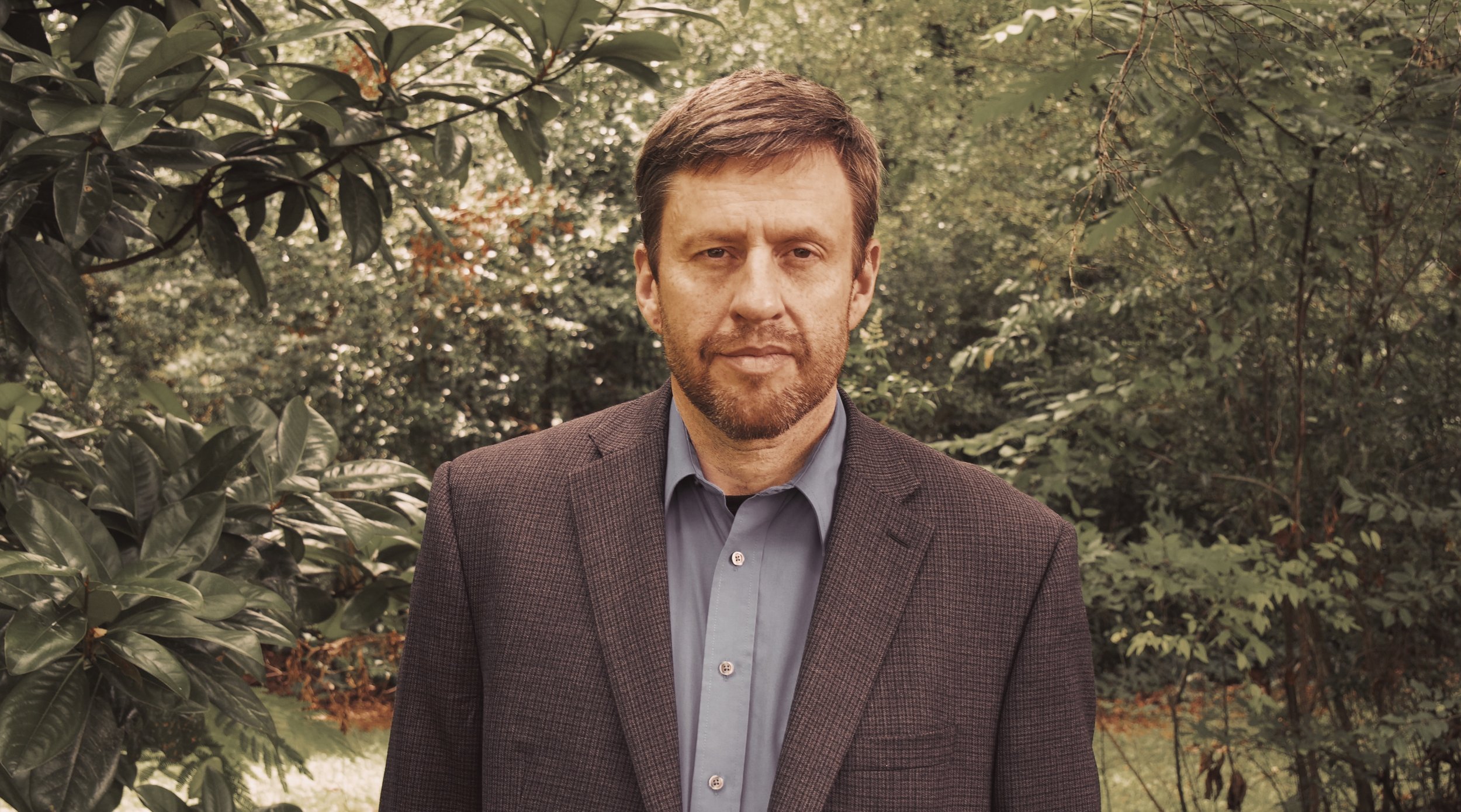
ARTICLES BY DEWAYNE
Christian Articles With A Purpose For Truth.
CHRIST FORMED WITHIN
God’s purpose for us is not only that we be forgiven, but that Christ be formed within. Salvation is the beginning of a far greater journey—the shaping of the soul into the likeness of the Savior. The Father’s desire is not just to make us better, but to make us His. Paul wrote with holy yearning, “My little children, for whom I labor in birth again until Christ is formed in you” (Galatians 4:19). This is the mystery of the Christian life—not us trying to be like Him, but Him living in us, expressing His life through clay vessels.
This forming comes through the Cross. The Cross is not only the place where Christ died for us; it is where we die with Him. It is where pride is broken, where self-will is surrendered, and where our hearts are emptied so His Spirit can fill them. Each time we yield our way for His way, His image grows clearer in us. “I have been crucified with Christ; it is no longer I who live, but Christ lives in me” (Galatians 2:20). The Cross is not the end of life—it is the beginning of His life in us.
Christ in us is the secret to all fruitfulness. Without Him, we can do nothing (John 15:5). But when we abide in Him, His love flows through us like living water. Our words become softer, our service becomes purer, and our hearts begin to reflect His patience and peace. We do not strain to bear fruit; we simply stay near the Vine, and His life produces what our effort never could. The more we rest in His presence, the more His beauty begins to shine through.
This is the true work of grace—not achievement, but transformation. God’s goal is not to make us famous, but faithful. Not powerful in the eyes of men, but pure in the sight of Heaven. Day by day, the Holy Spirit shapes us, often quietly, through trials, tears, and tender mercies, until the life of Christ is seen. And when that happens, heaven touches earth. The fragrance of His life fills our days, and the world sees not us, but Him who lives within.
Lord Jesus,
Let Your life be formed within me. Shape my heart to mirror Yours. Teach me to yield where I once resisted, to love where I once judged, to trust where I once feared. May the Cross do its holy work in me until pride is broken and Your peace reigns. Let my life be a reflection of Your gentleness and strength. Abide in me as the Vine in the branch. Let Your words find a home in my heart, and let Your Spirit breathe through my days. When I am weak, be my strength. When I am silent, speak through me. When I am still, fill me. And when I stand before You at last, may the world have seen not me, but You living in me.
Amen.
Bryan Dewayne Dunaway
THE SPIRIT WHO GIVES LIFE
The Spirit of God has always been moving—hovering over the waters in the beginning, breathing life into creation, whispering truth through prophets, and filling hearts with holy fire. From Genesis to Revelation, His presence marks the heartbeat of God’s work among men. Wherever the Spirit moves, death yields to life, despair gives way to hope, and dry ground blossoms again.
In the Old Testament, we see the Spirit at work in promise and power. The prophets spoke of His coming as rain upon the wilderness. Isaiah said, “The Spirit of the Lord shall rest upon Him—the Spirit of wisdom and understanding” (Isaiah 11:2). Ezekiel heard God say, “I will put My Spirit within you and cause you to walk in My statutes” (Ezekiel 36:27). Joel declared, “I will pour out My Spirit on all flesh” (Joel 2:28). The same breath that hovered over the deep in creation now enters the hearts of the redeemed in new creation.
Few scenes portray this better than Ezekiel’s vision in the valley of dry bones (Ezekiel 37:1–14). The prophet stands amid lifeless remains—symbols of a people without hope. Yet when God commands him to speak, the bones begin to rattle, the sinews stretch, the flesh returns, and finally the breath of God fills them. What was once dead stands alive, an army raised by the Spirit’s breath. So it is with every believer who receives the Spirit of Christ. We who were dead in sin are made alive unto God, not by effort, but by the indwelling breath of Heaven.
In the New Testament, the promise becomes personal. Jesus calls the Spirit a Helper, Teacher, and Comforter (John 14:26). He guided first century men into all truth (John 16:13). Today, He fills us with divine love (Romans 5:5), and empowers us to live and share Christ boldly, in principle the way He did the apostles of Christ (Acts 1:8). Paul reminds us that we are temples of the Spirit (1 Corinthians 3:16), that the Spirit intercedes when words fail (Romans 8:26), and that His fruit is love, joy, peace, and all that reflects the life of Christ (Galatians 5:22–23). The same power that raised Jesus from the dead now works in us to produce holiness and strength.
Discipleship without the Spirit becomes labor without life. But when the Spirit fills us, the Christian walk ceases to be duty and becomes delight. The Spirit does not make us perfect overnight, but He makes us alive. And in that life, Christ is formed within. Let us yield daily to His quiet leading, letting His wind blow through every thought and desire, until our hearts echo the faith of Ezekiel’s valley: “Thus says the Lord God…I will put My Spirit in you, and you shall live.”
Holy Spirit of Christ, breathe upon me again. Move within the dry valleys of my heart and make them green with Your life. Teach me to walk in Your ways, to love as Christ loved, and to live in constant fellowship with You. May every word I speak and every step I take bear the fruit of Your presence. Fill me, renew me, and make me a vessel through whom the breath of Heaven flows. In Jesus’ name, Amen.
Bryan Dewayne Dunaway
THEY DID NOT ASK TO BE HERE
They did not ask to be here.
Who?
Whoever it is you are tempted to look down on—whether because of how they look, where they come from, or what they have walked through. Before you judge them, pause and ask a deeper question: Who made the decision that they would be here in this world? Not them. Not you. It was God who knit them together in the secret place, God who fashioned their frame, God who breathed life into their lungs (Psalm 139:13–14). To despise someone He created is to despise the One who formed them. Every human being bears the sacred imprint of the divine image (Genesis 1:27). They are not an accident. They are not disposable. They are not beneath you. They are the handiwork of God.
And the same is true of the ones the world exalts. Those who are physically beautiful never asked for the burden that beauty brings. They did not choose their cheekbones, their height, their shape, or their symmetry. God gave it to them. And the pedestal we build for them often becomes a prison. No human being can live under the pressure of unrealistic praise any more than they can bear the weight of cruel criticism. Both pride and envy distort God’s creation. If jealousy stirs in your heart, stop it. If you have objectified someone, used someone, manipulated someone, or treated them as less than human—fall to your knees beneath the shadow of the Cross. Confess it before the Savior who washes the repentant clean (1 John 1:9).
Remember this: even if they are not a Christian, they are still God’s offspring in the general sense of creation, for “we are also His offspring” (Acts 17:28). They exist because He willed it. They breathe because He sustains them. And Christ died for sinners from every corner of humanity (John 3:16). You do not get to decide their worth, because God has already declared it. You do not get to treat them lightly, because the imprint of heaven is on their soul. Whether bruised or beautiful, weary or radiant, broken or put-together—they are His.
So do what you must. Humble yourself. Seek forgiveness. Lay down envy. Abandon lust. Refuse cruelty. Honor the image of God in every person you encounter. And let Calvary teach your heart how to love. For the One who hung there did not ask to be beautiful, yet He became the most beautiful of all—not in appearance, but in mercy, grace, and redeeming love. And when you see others through His eyes, you will finally see them rightly.
BDD
THE WEALTH OF THE SAINTS
As a Christian, you walk among the world, yet you are richer than the world. The wealthiest men on earth measure their riches by banks and ledgers, but the child of God measures wealth by promises that cannot perish. The richest people are not those who clutch what moth and rust can destroy, but those who possess treasures heaven itself guards. “Blessed be the God and Father of our Lord Jesus Christ…who has begotten us again to a living hope…to an inheritance incorruptible and undefiled” (1 Peter 1:3-4). This is the wealth that cannot be taxed, touched, or taken.
Picture a person walking through hardships, yet knowing they will one day inherit a vast fortune. The burden feels lighter because of the glories ahead. Well, Christian, your inheritance is not merely large—it is eternal. You are the heir to a spiritual fortune purchased by the blood of Christ and sealed by the Spirit of God (Ephesians 1:13-14). No circumstance in this brief, trembling life can diminish your treasure. Sorrow may visit you. Trouble may press on you. But nothing can cancel the riches laid up for you in your Father’s house.
This is why Jesus commands us to lay up treasures in heaven, where neither moth nor rust destroys and where thieves cannot break through nor steal (Matthew 6:19-20). It is not escapism. It is wisdom. Earthly wealth has its wings spread before we even turn our heads. Heavenly wealth rests in the hands of the Almighty. Our Father owns the world and everything in it (Psalm 24:1). When He declares that “the meek shall inherit the earth” (Matthew 5:5), He speaks with the authority of One who holds the title deed to creation.
And consider this: if God uses the entire earth as a symbol for your inheritance, how glorious must the reality be? For what is the world compared to the treasures of Christ? The kingdoms of this world are the kingdoms of our Lord (Revelation 11:15). The same Lord who is called “the heir of all things” (Hebrews 1:2) now calls you His joint-heir (Romans 8:17). You share in His inheritance not because of your worthiness, but because of His mercy. The gospel does not merely rescue you—it enriches you beyond measure.
So rejoice, believer. Lift your eyes from the dust of your daily burdens and remember the crown awaiting you. You are an heir of God. You are a co-heir with Christ. All that He possesses, He shares with you. All that He is, He is for you. And what lies ahead is not a vague hope but a promised glory. Oh, the Christian has something to look forward to indeed. Hallelujah.
BDD
THE MERCY OF GOD’S STOP SIGNS
There is a reason the world is dotted with stop signs. They stand as red sentinels at the crossroads, reminding us that the road is a dangerous place and that collisions happen when we rush ahead without caution. A stop sign is not the enemy of speed but the guardian of life. And what is true of the road is even more true of the soul. For life itself is filled with intersections, where desires pull one way and temptations call from another, and unseen dangers speed toward us at breakneck force.
The Lord has placed His own stop signs along our path. Not the metal ones of earthly streets, but the sacred ones made of grace and love. His “Thou shalt not” is not the slap of a divine tyrant, but the whisper of a Father who sees farther than we do. When God says, “Do not go there,” it is because He knows the cliff that hides just beyond the bend. When He restrains our feet, it is because He would spare our hearts.
Sin always promises, but it never satisfies. It leaves a man hollow, famished, thirsty for the water he has despised. The void inside us is real, and only the One who formed the heart can fill the heart. The soul was carved to be a throne room for its Creator, and it groans when it is empty of Him. God’s stop signs are not barriers to joy but bridges to Christ.
He longs for you to dwell with Him forever, but He also desires that your days beneath the sun carry the weight of meaning and the fragrance of heaven. And He knows that life abundant is found in one place alone. Not in the scattered shrines of this passing world. Not in the shouting promises of desire. But in Jesus Christ—the Way, the Truth, and the Life.
So when the Lord halts you, thank Him. When He closes a door, praise Him. When He turns your feet from a path you longed to take, trust Him. For His stop signs are the mercies that keep you from ruin and guide you safely home. And every divine restraint is a gentle hand leading you nearer to the Savior who loves you with an everlasting love.
BDD
SPIRITUAL REALITY AT THE CROSSROADS
There are moments in the Christian life when a man finds himself standing at a spiritual crossroads, where two kingdoms converge within the borders of his own soul. Paul speaks into such a moment when he writes, “Be not drunk with wine, wherein is excess; but be filled with the Spirit…” (Eph. 5:18). The apostle is not merely giving moral instruction; he is unveiling a spiritual principle, as fixed as any law of physics and as tender as the breath of God.
Most believers linger at this intersection. To the left lies the old nature with its familiar gravity, pulling us downward as though sin were the natural orbit of the human heart. To the right glimmers a higher world, the Christ-life, where Jesus Himself becomes the animating power within the believer. Many imagine that such a life is reserved for spiritual elites, but Scripture speaks otherwise. The New Testament insists that this Spirit-filled life is not an optional upgrade; it is Christianity as God intended it.
Paul gives us a vision of this life in Ephesians 5. He calls us to walk as children of light, our spiritual senses awakened, our inner faculties illuminated. For Paul, the difference between a believer trudging through the dust and a believer walking in the radiance of Christ is the Holy Spirit. He is the One who turns theory into life, doctrine into experience, command into capability. As Andrew Murray so often taught, the presence of the Holy Spirit is the presence of Christ Himself, given not as a distant ideal but as an indwelling reality.
The greatest need in the church is not new strategies, nor more dazzling personalities, but the recovered awareness that the Spirit of Jesus walks among us. Acts 2:38 calls Him “the gift of the Holy Spirit.” Before the Spirit enables, He indwells. Before He empowers, He brings us into the living presence of the Father. This is the true inheritance of the believer: access to God through the abiding Christ.
Just as wine governs the behavior of the one who drinks deeply, so the Spirit governs the believer who yields wholly to God. One who is intoxicated speaks and acts under an alien influence. Likewise, the believer surrendered to the Spirit finds himself carried into gifts, graces, and holy desires that do not originate from within his natural capacity. What we call “spiritual victory” is simply Christ manifesting His own life through a vessel fully yielded to Him.
The Christian life is impossible without Christ living in us, and inevitable when He does. We bear no fruit in our own strength. We are vessels of dust, dependent upon a divine Vine. Jesus said plainly, “Without Me you can do nothing.” Fruit is never the achievement of fleshly effort; it is the overflow of spiritual intimacy. As a child is born of human union, so spiritual fruit is born of abiding union with Christ.
Paul tells us that we have been “married” to Christ (Rom. 7:4), joined in a spiritual union designed to bear fruit to God. This is no poetic flourish—it is the logic of redemption. God saves us to shape us, indwells us to transform us, empowers us to manifest His character in the world. This transformation is described as “the fruit of the Spirit”: love, joy, peace, longsuffering, kindness, goodness, faithfulness, gentleness, self-control. These are not ideals we strain toward; they are the very dispositions of Christ formed within us.
This is spiritual law with mathematical consistency:
Christ in us produces what Christ is.
Self in us produces what self is.
Much of the modern church falters here. We lament our lack of joy, our fractured unity, our indulgent habits, our simmering restlessness. We treat anxiety and dissatisfaction as though they were merely psychological issues, when in truth they are spiritual symptoms of disconnection from the Vine. Only a return to deep dependence upon the Spirit can restore the character of Christ in His people.
Jesus Himself is our model—the living demonstration of what humanity looks like under the full governance of the Spirit. His longsuffering with the disciples, His kindness toward the outcast, His joy in the Father, His serenity in storms—these are not traits we imitate from afar, but graces He reproduces in us as we abide in Him.
So then, the crossroads before us is real and unavoidable. We may walk the weary path of self-effort, or we may turn toward the radiant highway of the Spirit. We can be spiritual people, for God has given us His Spirit. There is no scarcity in Him. No believer need settle for a life of spiritual drought when the living water resides within.
Let us step boldly toward the life Christ offers, for all of heaven’s resources are available in the One who dwells in us.
BDD
THE PATH MADE PLAIN
Salvation is never presented in Scripture as a maze for the spiritually clever. Christ has cleared the path before us with a mercy so bright that even the weary and the broken can find their way home. He does not save through riddles or shadows. He saves through Himself. And when a sinner looks to the crucified and risen Lord and bows the heart in faith, something holy happens that no human hand can manufacture. Christ receives the one who trusts Him.
The Holy Spirit is never earned by spiritual performance nor dispensed like a religious commodity. He rests upon the heart that comes to Jesus with a faith willing to obey. He fills the life that bends low at the feet of the Redeemer. The Spirit falls where faith becomes surrender. He meets the believer in that quiet place where trust ceases to be a word and becomes a walk. It is there that grace breathes life into the soul, lifting us into the newness Christ promised.
And baptism, so often misunderstood, did not arise from committees or councils. It began with the voice of the risen Christ on a mountain in Galilee. With the wind of resurrection still in the air, He declared His authority over heaven and earth and commanded His people to be plunged into His name. In baptism we are carried into His death, His burial, and His rising again. This is not ritual but union. Not ceremony but confession. Not a human idea but a divine summons from the King Himself.
Christian baptism exists because Jesus speaks and the church obeys. It is the response of a heart captivated by grace and hungry for holiness. It is faith stepping into the water and finding Christ already there. And when the believer rises from that sacred moment, dripping with the promise of God, the Spirit-filled journey begins. The path is still plain, and the Shepherd still leads, calling us ever deeper into the life that only He can give.
BDD
THE TERRIBLE END OF TURNING BACK
If one believes the doctrine of “once saved, always saved” as it is often taught, then the words of Peter in his second letter make no sense at all. For Peter writes of those who “have escaped the pollutions of the world through the knowledge of the Lord and Savior Jesus Christ,” but are “again entangled in them and overcome” (2 Peter 2:20). He does not say they almost escaped, or that they pretended to. He says they escaped. That is the language of salvation—of deliverance and cleansing through Christ. Yet they turned back.
Peter goes further: “The latter end is worse for them than the beginning. For it would have been better for them not to have known the way of righteousness, than having known it, to turn from the holy commandment delivered to them” (2 Peter 2:20–21). If these were never truly saved, why would it be worse for them afterward? How can it be worse to fall from something you never possessed? Only the one who has truly known Christ, and then turned away from Him, fits this warning. Their condemnation is deeper because their rejection is deliberate. They have despised the grace that once rescued them.
Those who teach that no Christian can ever fall away remove the force of Peter’s warning. They must say, “These people were never saved,” though the text says they “escaped the pollutions of the world” and “knew the way of righteousness.” The Bible does not warn hypocrites of becoming worse; it warns believers of departing from the faith (1 Timothy 4:1). Such warnings have no meaning if apostasy is impossible.
Peter’s solemn conclusion is clear: “It has happened to them according to the true proverb: ‘A dog returns to his own vomit,’ and, ‘a sow, having washed, to her wallowing in the mire’” (2 Peter 2:22). These are not unconverted dogs or unwashed sows—they have been cleansed, but have gone back. Grace was offered, cleansing received, but sin reclaimed them. It is a dreadful truth, yet a merciful warning. The believer must walk humbly and faithfully, lest the heart grow cold and the old nature return. For to turn from Christ after knowing Him is to choose darkness after seeing the light—and that darkness is indeed greater than before.
BDD
FALLING AWAY AND THE WILLFUL HEART
The Bible leaves no honest reader in doubt that it is possible for one who has truly come to Christ to fall away through persistent rebellion. Hebrews 6:4-6 speaks not of mere professors of religion, but of those who “were once enlightened, and have tasted the heavenly gift, and have become partakers of the Holy Spirit.” These are not casual hearers—they have known the grace of God. Yet the passage warns that if such a person “falls away, it is impossible to renew them again to repentance, since they crucify again for themselves the Son of God and put Him to an open shame.” The impossibility is not because God’s mercy has run dry, but because they have hardened their hearts through continual defiance. They persist in the very sin that nailed Christ to the cross.
This same truth is echoed in Hebrews 10:26-27: “For if we sin willfully after we have received the knowledge of the truth, there no longer remains a sacrifice for sins, but a certain fearful expectation of judgment.” The writer is not describing a stumble or a moment of weakness, but a settled, deliberate turning away from the Savior. Such sin is “willful”—a conscious choice to reject the very grace that once brought salvation. These are believers who have received the truth, yet choose darkness. The Spirit has pleaded, the Word has warned, and still they continue in rebellion.
Both passages paint one solemn picture: the believer who once stood in the light but now closes his eyes to it. The impossibility of renewal lies not in God’s unwillingness to forgive, but in man’s refusal to repent. God’s arm is not shortened, but the hardened heart no longer responds. Just as Pharaoh hardened his heart against repeated mercy, so these persist in crucifying Christ afresh—mocking His grace and despising His call. To live in willful rebellion is to silence repentance itself.
The message of Hebrews is plain. We do not accidentally lose salvation; we forfeit it through persistent sin and conscious rejection. Salvation is not fragile, but neither is it careless. The Christian life must be guarded and nourished with obedience and faith. “Take heed, brethren, lest there be in any of you an evil heart of unbelief in departing from the living God” (Hebrews 3:12). The way to remain safe is to remain near the cross—to keep the heart tender, the conscience pure, and the will surrendered to the Lord who loved us and gave Himself for us.
BDD
THEY WENT OUT FROM US
Many have taken John’s words—“They went out from us, but they were not of us” (1 John 2:19)—to mean that every person who falls away was never truly saved. But the Bible shows that this verse does not describe all Christians who stumble or depart. John was speaking of false apostles and deceivers who denied that Jesus is the Christ (1 John 2:22). They were never part of the true fellowship of the faith. They did not lose salvation; they had never embraced the gospel’s truth from the heart.
When John wrote, the church was troubled by antichrists—those who claimed divine knowledge while rejecting the Lord’s authority. Their departure revealed their nature. They “went out” because their message was not of God. Yet this is very different from a believer who has tasted the good word of God and the powers of the age to come, and then falls away (Hebrews 6:4-6). That tragedy is not about false apostles, but about true converts who turn back from grace.
The New Testament repeatedly warns genuine believers to continue steadfast in the faith (Colossians 1:23), to make their calling and election sure (2 Peter 1:10), and to take heed lest they fall (1 Corinthians 10:12). Why would such warnings exist if a believer could never fall? The Bible does not say that every deserter was a hypocrite from the start—it says that some truly believed and then departed from the living God through an evil heart of unbelief (Hebrews 3:12).
So John’s statement in 1 John 2:19 applies narrowly to those who were never truly part of Christ’s body—the deceivers who opposed His truth. It does not erase the many passages that call Christians to endurance, repentance, and faithful abiding. Salvation is real, and so is the danger of falling. Let us therefore walk humbly with Christ, keeping our hearts close to His word, for “he who endures to the end shall be saved” (Matthew 24:13).
BDD
IF YOU WANT TO GET TECHNICAL ABOUT IT (“Once Saved, Always Saved”)
There are moments when a believer must pause, breathe deeply, and look straight into the Scriptures with an honest heart. The truth is never afraid of inspection. The gospel does not tremble beneath the weight of sincere questions. And when we ask whether a real child of God can fall from grace, the Bible does not answer with riddles or shadows. It answers with people. It answers with names written in the holy story. Judas Iscariot, once chosen and empowered, stepped into darkness. Simon of Samaria believed, obeyed, and then drifted. Ananias and Sapphira were part of the fellowship, yet cut short in judgment. The man in Corinth walked with the saints, then was handed to Satan because of persistent sin. Hymenaeus and Alexander were shipwrecked concerning the faith. These are not parables. They are living witnesses that the Christian life must be kept with humility, vigilance, and a heart anchored in Christ.
Some might say the case of Judas is complex, but his story shines with a hard clarity. Jesus chose him. Jesus sent him. Judas preached. Judas held the moneybag. Judas ate the bread and walked the road and heard the voice that raised the dead. And in the breaking of that fellowship, Jesus still called him “friend.” There is a solemn tenderness there, a reminder that proximity to Christ is no substitute for a heart surrendered to Him. When we follow the text without forcing it to fit a system, we see what is plainly written. Judas turned away from the Light he once walked beside. It is Scripture, not imagination.
Simon’s story stands beside Judas like a twin pillar. Acts says he believed. Acts says he was baptized. Acts says he continued with Philip. Luke uses the same language for Simon that he uses for every other convert in Samaria. His fall was not from ignorance but from pride. And when Peter rebuked him, he did not tell him to be baptized again or to “start over.” He told him to repent, because a believer can step off the path and must be called back through repentance and prayer. This is not harsh. This is mercy reaching through the fog.
And then there is that fearful but holy phrase, delivered to Satan. It appears when believers drift into dangerous sin. It means removal from the shelter of the church, the lifting of protection, the exposure of the wandering soul to the consequences of rebellion so that repentance might yet awaken the heart. It is discipline, not destruction. It is sorrow from the shepherd’s staff, not a sword from an enemy’s hand. Even here the Father is calling, pleading, longing for His children to return.
If you want to get technical, this view is not new. It is not narrow. It is not the product of a small corner of Christianity. It was held almost unanimously by the early church. It has been preached by saints, scholars, reformers, revivalists, and the simple faithful through the ages. It is the heritage of Orthodox believers, Catholic believers, Wesleyan believers, holiness believers, Restoration believers, and millions more. Only a small stream within the Reformed tradition insists otherwise. That does not make them evil, but it does remind us that the belief that one must continue in faith to remain in grace is not an oddity. It is the river the church has long sailed upon.
Truth does not depend on how many embrace it, but it comforts the seeker to know that he walks an ancient path. The warnings of Scripture are not meant to terrify the saints. They are meant to guard them. To keep them. To call them. To remind them that salvation is a living relationship with a living Christ. The Lord who saves us is the Lord who keeps us as we abide in Him. So let the technical minds study the texts and trace the history. The message remains simple and clear. Stay close to Jesus. Keep your heart soft. Walk in the light. And trust the grace that not only saves but shepherds us all the way home.
BDD
Note:
Most Christians throughout history and around the world have not held to Once Saved Always Saved.
Here is the broad consensus across the centuries:
The early church fathers (1st-3rd centuries) almost unanimously taught that believers could fall away.
The Eastern Orthodox Church rejects OSAS.
The Roman Catholic Church rejects OSAS.
The majority of Anglican, Methodist, and Wesleyan traditions reject OSAS.
Most Holiness, Pentecostal, Restoration Movement, and Churches of Christ reject OSAS.
Even many Lutherans reject eternal security in the Calvinistic sense.
Only a portion of the Reformed world (and later Baptist traditions influenced by them) holds to an unconditional eternal security doctrine.
Most Christians past and present do not hold to OSAS.
FALLING FROM GRACE: BIBLICAL EXAMPLES
Some argue that no one in the New Testament ever truly fell from grace, but the Bible presents examples that prove otherwise. Consider Judas Iscariot. He was chosen by Christ, walked with Him daily, witnessed His miracles, and was entrusted with the bag of money among the apostles. Yet we read, “Now he was numbered among the twelve, and he went to the chief priests to betray Him” (Matthew 26:14).
Jesus warned of Judas, “The Son of Man indeed goes as it has been determined, but woe to that man by whom He is betrayed!” (Luke 22:22). Judas, though once with Christ, ended in darkness, “And after the food, Satan entered into him” (Luke 22:3), showing that he turned entirely to the side of the adversary.
Judas Iscariot was not a stranger to the grace and presence of Christ. He was chosen by the Lord Himself—“Did I not choose you, the twelve?” (John 6:70). He was sent out with the others to preach, heal, and cast out demons (Matthew 10:1-8), which no unbeliever could do apart from the power of God working through him. He sat at the same table, heard the same teaching, and partook of the same ministry as Peter and John.
When the Lord washed the disciples’ feet, Judas’ feet were washed too (John 13:5). He was entrusted with the treasury (John 12:6), a mark of confidence and belonging within the group. Yet though he once walked in the light, he turned away from it. Jesus’ sorrowful words, “Friend, why have you come?” (Matthew 26:50), show that Judas had shared true fellowship before his fall.
Simon of Samaria stands as a solemn reminder that even one who has believed, obeyed, and been baptized can fall from grace if he turns his heart away from God. The Bible says, “Then Simon himself also believed; and when he was baptized he continued with Philip, and was amazed, seeing the miracles and signs which were done” (Acts 8:13). The language leaves no doubt—Simon believed and was baptized. He entered into the same covenant as the other converts of Samaria. He was in Christ.
But soon after, temptation crept in. When Simon saw that through the laying on of the apostles’ hands the Holy Spirit was given, he offered them money, saying, “Give me this power also, that anyone on whom I lay hands may receive the Holy Spirit” (Acts 8:18–19). His motives became corrupt. The love of power rose above the love of God. Peter’s rebuke was stern and sobering: “Your money perish with you, because you thought that the gift of God could be purchased with money! You have neither part nor portion in this matter, for your heart is not right before God” (Acts 8:20–21).
Simon was not told to be baptized again. His baptism had been genuine. He was not told to “believe again,” as though he had never believed. He was told, “Repent therefore of this your wickedness, and pray God if perhaps the thought of your heart may be forgiven you” (Acts 8:22). Baptism brings one into Christ, but repentance and prayer keep the believer in right fellowship with God. Simon was a baptized believer who fell into sin. He was warned that he stood in danger of perishing unless he repented.
Peter’s words were not theoretical. “For I see that you are poisoned by bitterness and bound by iniquity” (Acts 8:23). The chains of sin can bind even one who has known the grace of God, if the heart grows proud or careless. Yet mercy was still extended to him—the door of repentance was open. “Pray to the Lord for me,” Simon pleaded (Acts 8:24).
His story reminds every believer that the Christian life must be guarded with humility and repentance. Salvation is not a past event only, but a living relationship that must be nourished and protected. Simon fell, but his fall warns us to keep our hearts right before God, to turn quickly from sin, and to pray earnestly for forgiveness. The same grace that received him in baptism was still reaching for him in repentance.
Ananias and Sapphira (Acts 5:1–11) provide another striking example. They were members of the early church, yet they lied to the Holy Spirit and were struck dead. Peter says, “How is it that you have agreed together to test the Spirit of the Lord?” (Acts 5:9). This demonstrates that even those within the fellowship of the Spirit can be removed for deliberate sin, showing a serious breach with God’s saving grace.
In 1 Corinthians 5, Paul confronts a man living in sexual immorality with his father’s wife. Paul commands, “Deliver such a one to Satan for the destruction of the flesh, that his spirit may be saved in the day of the Lord Jesus” (1 Corinthians 5:5). This man had been part of the church, part of the community of the faithful. Yet he was removed from fellowship and exposed to the influence of the enemy. If he had not once been one of those in Christ, Paul would not have had to deliver him to Satan. He would have already belonged to Satan. Of course this is a figure of speech, but the reality behind it remains. He was saved, and he was living in sin, therefore he was lost. The disciplinary action Paul demanded was to bring him back to the fold by refusing to fellowship him until he repented.
Being “delivered to Satan” does not mean eternal condemnation in that moment; rather, it signifies removal from the protection and blessing of the church, allowing the consequences of sin and the reality of Satan’s influence to bring the person to repentance—or, tragically, to final destruction if repentance is refused. It is a sober demonstration that someone who has been on the side of truth can be exposed to judgment and spiritual danger through persistent sin.
Finally, consider Hymenaeus and Alexander (1 Timothy 1:20). Paul says, “Whom I have delivered to Satan, that they may learn not to blaspheme.” These men were once instructed in the faith, yet they became shipwrecked in regard to the faith (1 Timothy 1:19). They illustrate clearly that genuine believers, if they abandon truth, can fall away and face severe consequences, including ultimate separation from God.
Again, when Paul or the Lord “delivered someone to Satan,” it is not a casual statement. It is the withdrawal of God’s protective hand and the exposure of the individual to the natural and spiritual consequences of sin. The phrase indicates that the person is removed from the fellowship and protection of the church, left to confront the reality of rebellion and the deceiver’s influence. The intent, however, is redemptive if repentance occurs—“that the spirit may be saved in the day of the Lord” (1 Corinthians 5:5). Persistent refusal, however, reveals the tragic outcome: falling completely away from grace.
The New Testament clearly presents real examples of those who were once among the people of God but ultimately fell away: Judas Iscariot, Simon the sorcerer, the man in 1 Corinthians 5, Hymenaeus and Alexander. These passages show that salvation is not a guaranteed, irrevocable status independent of faith, repentance, and obedience. God’s grace is abundant, but the Bible warns believers to remain steadfast, watchful, and faithful, for those who stray can indeed fall under judgment and be “delivered to Satan.”
BDD
THE CALL TO OBEDIENCE: WALKING DAILY IN THE WILL OF THE FATHER
The message of the Lord is plain, simple, and perfectly clear, though it pierces the soul like a two-edged sword (Hebrews 4:12). There is nothing hidden in this calling, and nothing in human cleverness can twist it. Jesus declared, “Not everyone who says to Me, ‘Lord, Lord,’ shall enter the kingdom of heaven, but he who does the will of My Father in heaven” (Matthew 7:21). It is a truth that leaves no room for idle profession, for superficial faith, or for a name that merely sounds like devotion. The heart must be engaged, the soul surrendered, the life conformed to His Word (James 1:22).
The pathway of obedience is neither casual nor sporadic. “Whoever loves Me will keep My words, and My Father will love him, and We will come to him and make Our dwelling with him” (John 14:23). There is intimacy with God in obedience; it is the evidence of a living faith. “If anyone serves Me, let him follow Me, and where I am, there will My servant be also” (John 12:26). The follower walks in the same light as Christ, not in darkness, and the presence of the Lord is a guiding fire through every shadow (1 John 1:7).
Faithfulness is a daily call. “Be faithful until death, and I will give you the crown of life” (Revelation 2:10). Every choice, every thought, every action matters before God, The life of faith is active and visible; it cannot be hidden under the guise of words alone. “By this we know that we have come to know Him, if we keep His commandments” (1 John 2:3).
The Lord calls His people to vigilance and endurance. “Watch and pray, lest you enter into temptation” (Matthew 26:41). The temptations of pride, pleasure, and ease are constant, but the Spirit equips the believer to persevere. “For God has not given us a spirit of fear, but of power, love, and a sound mind” (2 Timothy 1:7). Each trial is a refining fire, and each obedience in the midst of difficulty produces the gold of Christlike character (1 Peter 1:6-7).
There is a divine seriousness in these commands, and yet a richness in the promise. “Blessed are those who do His commandments, that they may have the right to the tree of life, and may enter through the gates into the city” (Revelation 22:14). The faithful life is not a burden; it is the path to joy, to communion with the Lord, and to eternal reward. “Let us run with endurance the race set before us, looking unto Jesus, the author and finisher of our faith” (Hebrews 12:1–2). The Shepherd who leads us is merciful, tender, and unerring.
Obedience is also the measure of discernment. “Not everyone who says to Me, ‘Lord, Lord,’ will enter, but he who does the will of My Father” (Matthew 7:21). There is a faith that is empty and a profession that deceives. The Bible warns that many will be shocked at the judgment because they “thought” salvation rested in words alone (Matthew 7:22–23). The Lord looks at the heart, and the heart reveals itself through the life it produces (Luke 6:45).
The pathway of the disciple is marked by steadfast love, service, and perseverance. “Do not be weary in well doing, for in due season you shall reap if you do not lose heart” (Galatians 6:9). Our labor is not in vain when it is offered to the Lord (1 Corinthians 15:58). The believer abides in Christ by obeying, loving, and walking in the light of His Word, for “he who abides in the doctrine of Christ has both the Father and the Son” (2 John 1:9).
Faithfulness is not only duty—it is delight. “Rejoice in the Lord always, and again I say, rejoice” (Philippians 4:4). The joy of obedience, the sweetness of walking in His paths, and the peace of resting under His care are the rewards of those who truly call Him Lord (Psalm 16:11; Romans 14:17). Every act of obedience, every sacrifice, every small act of faith strengthens the soul and demonstrates that we belong to Him (1 John 3:24).
The Christian life is therefore simple and profound. Listen, obey, endure, and abide. “He who overcomes will inherit all things, and I will be his God, and he shall be My son” (Revelation 21:7). The path is marked clearly in the Word of God. There is no hidden mystery, only the daily, faithful walk with Christ, which begins in hearing Him, continues in following Him, and culminates in the joy of eternal life in His presence (Romans 8:14–17).
Beloved, the call is plain: do the will of the Father. Let every step, word, and deed be measured by the Word of God. Be faithful, persevere, obey, love, endure. This is the life of the sheep, the true follower, the disciple whose heart is known by the Lord. Nothing is more certain, nothing more beautiful, and nothing more rewarding than walking with Christ in the simplicity of His truth (Matthew 7:21; 1 John 2:3–6; Hebrews 12:1–2).
Father, draw my heart into the quiet place where Your will becomes my desire. Teach me to walk in the paths You have marked, to trust the wisdom of Your hand, and to obey You with a love that flows from the cross of Your Son. Let my steps honor You today. Let my thoughts rest in You. Lead me, Lord, and I will follow. Amen.
BDD
HIS SHEEP FOLLOW HIM
“My sheep hear My voice, and they follow after Me; and I give them eternal life, and they shall never perish, and no one shall snatch them out of My hand.” The Lord speaks, and His sheep recognize it. His voice rises above the clamor of the world, tender and compelling, calling the heart to trust, to obey, to move. To follow Him is not a single act of decision, but a daily, sustained walking in His ways. The Greek word translated “follow,” conveys a continuous action, a committed, step-by-step discipleship (John 10:27–28).
Hearing His voice draws the believer into life that is both joyful and disciplined. The call of Christ is persistent, inviting His sheep to walk closely beside Him, to be attentive to His guidance at every turn. “If anyone desires to come after Me, let him deny himself, take up his cross, and follow Me daily” (Matthew 16:24). “He who desires to follow Me must deny himself, and keep on bearing his cross each day” (Luke 9:23). True following is active and enduring, a life of dependence and obedience, not mere profession.
To serve Christ is to remain near Him, to move in His presence, and to align one’s steps with His path. “If anyone serves Me, let him walk behind Me, and where I am, there will My servant be also” (John 12:26). The security of the sheep rests in the Shepherd, yet the call to follow remains. Following Him is a sustained journey, lived moment by moment, guided by His Spirit, and marked by love and faithfulness.
Even when the storms of life press upon the heart, the sheep continue to follow because they are drawn, not dragged. They remain close to the Shepherd, listening and responding. The life of a believer is one of continual movement toward Christ, not static assurance. The Lord leads, and His sheep move with Him, step by step, abiding in His voice, trusting His care, walking daily in obedience and love (Psalm 23:1–3; Hebrews 12:1–2; 1 Peter 2:21).
Following Christ is a lifelong path. The sheep hear His voice, and they follow—not once, but continually. This is the joy and privilege of belonging to Him: the ongoing, living relationship in which every step is taken in faith, every choice guided by His hand, every day an opportunity to abide in Him and walk in His ways (John 10:27–28).
BDD
ACCESS TO GOD
Dear believer, step quietly now into the holy of holies. Come—not in fear, but in awe. The veil has been torn. The way has been opened. The very presence of God, once veiled and distant, is now your dwelling place through Jesus Christ our Lord. “Having therefore, brethren, boldness to enter into the holiest by the blood of Jesus, by a new and living way which He consecrated for us, through the veil, that is, His flesh” (Hebrews 10:19–20).
Through His suffering and His shed blood, Jesus did what no high priest under the old covenant could ever do. The priests of old came trembling once a year, with fear in their eyes and blood on their hands. They stood for a moment before the mercy seat, offering sacrifice first for their own sins and then for the people’s (Hebrews 9:7). They never lingered. The work was never finished. The veil always hung there as a reminder—thus far and no farther.
But when Christ cried out upon the cross, “It is finished,” the veil was torn from top to bottom (Matthew 27:51). The hand of heaven did what no man could do—it opened the way for all who believe. “For through Him we both have access by one Spirit to the Father” (Ephesians 2:18). Do you realize what that means? You may come into His presence at any hour, not because of your merit, but because of His mercy.
Think of it: under the old covenant, a man removed his sandals before a burning bush because the ground was holy (Exodus 3:5). Holiness then meant distance. Approach was dangerous. But in Christ, holiness means nearness—because the Holy One Himself has come near to us. What was once separation is now communion. The covenant of law kept man at a distance; the covenant of grace brings man to the very heart of God.
When we open the pages of the New Testament, what do we see? No longer a temple of stone and sacrifice, but believers meeting in homes, breaking bread, lifting up holy hands without wrath or doubt. They are calling God “Abba, Father” (Romans 8:15). The language of fear has been replaced with the language of family. The Father’s house is no longer guarded by curtains and cherubim—it is open to every redeemed soul who comes through the Son.
Why such a shift? Access to God. That is the wonder of the Gospel. Bought and paid for—not with silver or gold, but with the precious blood of Christ (1 Peter 1:18–19). Grace itself has become the one who leads us in. He is the Servant who takes us by the hand and brings us before the throne of mercy. He invites us to sit by the fountains of living water, to drink deeply, to rest in His finished work.
If I may put it this way—He is not merely the guide; He is the gift. He does not just lead us to God; He is the presence of God among us. “The Word became flesh and dwelt among us” (John 1:14). He is Emmanuel—God with us.
Imagine this in the language of the ordinary. Suppose you wanted to visit the library but were too sick to leave your home. What if the library itself came to you? Years ago, Elvis Presley no longer wished to record in the studio, so RCA brought the studio to him—right into the Jungle Room of Graceland. They built the means around him, to reach him where he was.
So it is with grace. We had no power to climb the hill of God. We were too weak, too far gone. But He brought the holy place to us. “Christ entered once for all into the Most Holy Place, not with the blood of goats and calves, but with His own blood, having obtained eternal redemption” (Hebrews 9:12). He entered to bring heaven down to the hearts of men.
That is what it means to have access to God. Not that we rise to Him, but that He descends to us. Not that we bridge the gap, but that He became the bridge. He brings the holy of holies into our very souls. The mercy seat is no longer behind a curtain—it is within the believer’s heart, sanctified by His Spirit.
To know this access is to worship with wonder. It is to cease striving and to rest in the reality of His finished work. “Therefore, being justified by faith, we have peace with God through our Lord Jesus Christ, by whom also we have access by faith into this grace wherein we stand” (Romans 5:1–2).
When you pray, you are not shouting toward heaven. You are speaking to One who abides within you. When you worship, you are not trying to reach Him—He has reached you. When you lift your heart in praise, the Spirit Himself lifts it higher still.
Let your soul enter into that holy stillness. Take your shoes off, for you are on holy ground. But this time, the ground is not a desert, and the fire is not one that burns the bush. It is the fire of the Spirit that burns within the believer’s heart. The veil is gone. The door stands open. The invitation remains: “Draw near to God, and He will draw near to you” (James 4:8).
So come—into the holy of holies. Come through His flesh. Come by His blood. Come as one who has been invited, not as one intruding. Sit at His feet. Drink of His Spirit. Rest in His grace.
The presence of God is not far away. It has come to dwell within you. That is the glory of the Gospel. That is access to God.
Lord Jesus, You have opened the way. You tore the veil with Your own hands and brought the holy of holies into my heart. I come to You now, not as one worthy, but as one washed. You are my access, my peace, my nearness to God. Teach me to live with the awareness that You are here—that heaven itself has drawn near through You.
Let me never again treat Your presence as distant. Let me draw near with a true heart, in full assurance of faith. Keep me humble, grateful, and still before You. When I pray, remind me that I stand already within the mercy seat. When I worship, let the melody of my soul rise from the altar You have sanctified within me.
Thank You, Lord, for bringing God to me. Thank You for being the living way through the veil. Let Your presence be my dwelling and Your love my song forever.
Amen.
BDD
WILL YOUR PETS BE IN HEAVEN?
Believing that you will see your pets again contradicts nothing in the Bible. Don’t let someone’s legalism take away a thought that brings you comfort. Yet we will consider this carefully from a biblical perspective.
The Bible does not tell us directly whether our beloved pets will be in heaven. Yet it gives us enough light to hope, enough truth to comfort, and enough wisdom to rest in the goodness of God. We do not know all that awaits us beyond the veil, but we know this — when we see Jesus, that will be enough. Every longing will be fulfilled in Him. Every sorrow will fade in His presence. The aching question of who or what will be there will dissolve in the joy of the One who is there.
Still, it is not wrong to wonder. Creation itself bears the marks of God’s artistry and compassion. The same Lord who noticed a sparrow’s fall (Matthew 10:29) and made a covenant with “every living creature” after the flood (Genesis 9:10) does not forget the work of His hands. The Bible says that “the whole creation groans and labors with birth pangs together until now” and that “the creation itself also will be delivered from the bondage of corruption into the glorious liberty of the children of God” (Romans 8:21–22). That promise reaches beyond humanity—it speaks of a world redeemed from decay. Nothing that was defiled by sin will remain defiled forever. What God pronounced “very good” in the beginning will not end in ruin.
If the Lord intends to make all things new (Revelation 21:5), we should not be surprised if His renewal touches every corner of His creation. We cannot claim to know that our pets will be there, but we may trust that nothing good, nothing pure, nothing that reflects His gentle heart, will be lost. The imagery of peace in the prophets, though pointing to the reign of Christ in His church, still hints at the deep harmony God will one day restore. The wolf and the lamb may not graze together in a literal meadow, but the symbol tells us something real: the curse will be reversed, and the chaos of sin will be silenced.
Heaven will be home, not foreign ground. The Lord who wipes away all tears does not erase holy affections; He redeems them. If our Father saw fit to bless us with creatures that brought joy, loyalty, and companionship here, then whatever awaits us in His new creation will not be less beautiful or less kind. Whether we see those same creatures again is hidden from us, but the heart of God is not hidden. We know His love. We trust His promise.
So let your hope rest not merely in seeing your pet again, but in seeing Christ face to face. In that moment, you will lack nothing. And if, in His goodness, He chooses to fill eternity with familiar friends who once ran at your side, it will be only one more proof that His mercy endures forever.
BDD
SAVED IN CHRIST, KEPT BY FAITH
There is a dangerous comfort in the doctrine of “once saved, always saved.” It whispers to the soul that once we have prayed a prayer, said a creed, or walked an aisle, our salvation is guaranteed no matter the path we tread afterward. Yet the Scriptures tell a different story, a story of a Savior who calls His children to ongoing faith, obedience, and repentance.
The psalmist cries, “But it is good for me to draw near to God: I have put my trust in the Lord God, that I may declare all Your works” (Psalm 73:28). Notice, it is the ongoing act of drawing near and trusting that matters. Faith is not a static moment; it is a living relationship. Grace is not a one-time gift to be banked, but a continual outflow of God’s life into our souls.
Consider the warning of our Lord: “But he who endures to the end shall be saved” (Matthew 24:13). There is a temporal aspect here, a calling to perseverance. Paul, writing to the Corinthians, says plainly, “Examine yourselves, whether you are in the faith; test yourselves” (2 Corinthians 13:5). Faith is not a label; it is a life marked by fruit, obedience, and endurance.
There is a false security that lulls the believer into complacency. Christ’s sheep hear His voice and follow Him, and the true sheep are kept by the Shepherd, not by their own fleeting promises. This is not salvation earned by works, but salvation lived in Christ, a faith that moves, perseveres, and clings to Him.
The believer is not merely saved at a point in time but is being saved, kept in the fellowship and life of Christ. The apostle Peter writes, “Therefore, brethren, be even more diligent to make your call and election sure, for if you do these things you will never stumble” (2 Peter 1:10). Here is the paradox: we are saved by grace, yet we are called to vigilance, diligence, and holiness. Grace secures, but faith must respond continually.
The Bible overflows with this tension. Hebrews 3:12 warns, “Take heed, brethren, lest there be in any of you an evil heart of unbelief in departing from the living God.” Revelation 2 and 3 are letters to churches, calling them to repent or face the risk of losing their reward. True salvation bears continuity, not mere profession.
Logic, too, confirms what Scripture teaches. If salvation required only a single moment of faith, there would be no need for exhortations, warnings, or commands. God would not urge perseverance, holiness, or obedience if His grace once applied could never be forfeited. The very existence of warnings implies that salvation can be resisted, neglected, or abandoned. The gospel invites a living trust, a faith that continues in the power of the Holy Spirit.
Beloved, do not rest in a false security. Our hope is not in the fleeting assurance of a past prayer, but in the present, abiding relationship with Christ. He is our Shepherd, and we are His sheep; we are kept, yes, but kept as we follow, trust, obey, and remain in Him. The life of Christ within us is not dormant. It grows, it calls, it sanctifies. It bears fruit that lasts.
So let us take courage. Let us take up the call of vigilance, the pursuit of holiness, the daily reliance on grace. Let us not deceive ourselves with a cheap security, but rejoice in the profound truth that Christ keeps those who abide in Him—and that abiding is a continual, faithful turning of the heart toward our Savior.
BDD
FAITHFUL, NOT PERFECT
There is a great difference between being perfect and being faithful, and every heart knows it. The Bible never asks for perfection in the flesh, but it does require faithfulness of the heart. We all understand that difference. A man may not be a perfect husband, but he can be a faithful one. He may speak too sharply, forget an anniversary, or fail in many small ways, yet he loves his wife and will not betray her. His heart is hers. Everyone knows that this is possible. Then why should it be thought impossible to remain faithful to Jesus Christ for the rest of our lives?
A man can choose to keep faith with his mate, his country, his calling, or his friends. He can decide to be loyal, and he can remain loyal. Every soldier who has stood under fire, every friend who has stood by another in hardship, proves that faithfulness is not beyond our reach. It is not perfection that God requires, but devotion. No one is a perfect mate, but some are faithful mates. No one is a perfect Christian, but some are faithful disciples. The Lord is not looking for flawless performance—He is seeking steadfast hearts. “Be faithful unto death, and I will give you the crown of life” (Revelation 2:10).
The Bible is full of this balance. It speaks in stereo to both ears at once. In one ear, we hear the warnings: “Do not trifle with God. Do not play with your soul. Be serious and diligent.” The Bible warns us that “if we live according to the flesh, we will die; but if by the Spirit we put to death the deeds of the body, we will live” (Romans 8:13). That warning is not for the world but for the believer. Yet in the other ear, we hear the assurance: “Nothing shall separate us from the love of Christ” (Romans 8:38–39). “He who began a good work in you will complete it until the day of Jesus Christ” (Philippians 1:6). “The steps of a good man are ordered by the Lord, and though he fall, he shall not be utterly cast down, for the Lord upholds him with His hand” (Psalm 37:23–24). Both messages are true, and both are needed. One keeps us humble, the other keeps us hopeful.
The security of the believer is not found in a man-made doctrine—it is found in a living Christ. When Jesus said, “My sheep hear My voice, and I know them, and they follow Me, and I give them eternal life, and they shall never perish” (John 10:27–28), He described a living, continual relationship. His sheep are not those who merely believed once, but those who keep following. The promise “they shall never perish” is given to those who continue to hear and follow. The security is not in a theological formula, but in the Shepherd Himself.
If you follow Him, you will never perish. If you walk in His Spirit, you are safe. When you stumble, He lifts you up. When you grow weary, He strengthens you. But if you turn away willfully and walk no more with Him, you step out of the light. The hand that holds you will never let go—but you must remain in that hand. God has not made faithfulness an impossibility. He has made it a choice. You can choose to love Christ. You can decide to be faithful to Him. Every day, your heart may say again, “As for me and my house, we will serve the Lord” (Joshua 24:15).
Christ is the security of the believer. When you stop trying to rest in a doctrine of men and begin resting in the Lord Himself, you will find a deeper peace than any system can offer. Doctrines cannot hold you, but Christ can. The Savior who died for you will live in you, and the Spirit who sealed you will keep you. Your part is to keep your heart loyal. His part is to keep your soul safe. “He is able to keep you from stumbling, and to present you faultless before the presence of His glory with exceeding joy” (Jude 24).
So do not fear that salvation will slip away in the night. The Lord does not cast away His people. But neither should you presume upon His grace. Stay close. Stay tender. Stay faithful. For faithfulness is not perfection—it is love that will not leave. Christ brings all the security your soul will ever need. Decide to love Him, and you will find that His love will hold you fast forever.
BDD
FEARFULLY AND WONDERFULLY MADE
There are moments when you pause and just stare at a hand and realize it’s astonishing. The way the fingers bend, each joint perfectly placed, each tendon and muscle working in harmony—it’s the kind of mechanical choreography that would take a hundred drafts in a movie storyboard to even hint at.
And yet, here it is, effortlessly, naturally, alive. You don’t have to be a doctor to know that something this intricate didn’t just “happen.” You sense it, the way a filmgoer knows a scene has been meticulously framed, that every element belongs exactly where it is.
Look closer: the eye. It’s not a mere camera. It’s a lens, a light sensor, a processor, a projector, and a painter all at once. In a theater, you can marvel at special effects, CGI, a thousand technicians working to craft a single moment that feels real. And yet your eye does this every second, adjusting, focusing, perceiving color, depth, motion—performing in perfect harmony with the brain behind it, almost as if the universe itself whispered, “Let there be sight.”
Psalm 139:14 captures this in a line most of us rush past: “I will praise You, for I am fearfully and wonderfully made; marvelous are Your works, and that my soul knows very well.” The human eye, the orchestration of nerves, blood vessels, and light-sensitive cells—it all points to a Designer whose mind is beyond ours.
Even the rhythm of a heartbeat has a story to tell. You can hear it, or feel it if you pause long enough, and notice it is not random. It adapts to what you do, anticipates your needs, responds to tiny signals your conscious mind doesn’t even register. We should note that such order reflects a mind that cares about details, a Creator whose design is purposeful.
And you should nod at the poetry of it, the drama of life beating quietly inside your chest, unseen yet unmistakably alive. One could dissect every valve, every electrical impulse, every vascular pathway and still come away stunned at the elegance, the timing, the sheer precision.
And then there’s the mind. Language, memory, imagination, creativity—they can write symphonies, design skyscrapers, craft stories that move generations. Every thought, every dream, every flicker of insight points to more than evolution’s blind hand. There is authorship here, a wisdom far beyond the sum of neurons and synapses.
Romans 1:20 reminds us: “For since the creation of the world His invisible attributes are clearly seen, being understood by the things that are made.” When you look at your own reflection, touch your skin, feel the flexibility of your joints, hear the beat of your heart, or think a single coherent thought—you are witnessing the fingerprints of God. The human body is not just a marvel of biology; it is a mirror of divine artistry, a living, breathing argument for a Designer who made not only with skill, but with infinite care.
Lord, I stand in awe of the life You have woven in me. Every heartbeat, every thought, every movement reflects Your wisdom and care. Teach me to see Your hand in the ordinary, to marvel at Your design, and to live in gratitude for the gift of my body and mind. May I honor You in how I care for myself, in how I use my gifts, and in how I reflect Your creativity to the world. Let my life be a song of praise for the One who made me fearfully and wonderfully. Amen.
BDD
FROM SURFACE FAITH TO DEEP FELLOWSHIP
Many Christians live content with a surface faith, unaware that Christ desires more than polite acknowledgment or weekly attendance. He calls us to a life where His presence saturates our days, where every thought, every action, and every word flows from communion with Him. This is the kind of relationship Jesus described in John 15:4–5, where He says, “Abide in Me, and I in you. As the branch cannot bear fruit of itself, unless it abides in the vine, neither can you, unless you abide in Me.” The ordinary moments of life can become extraordinary when they are touched by His nearness.
Yet many believers are held back by distraction and habit. Like the Corinthians, who were baptized and called by God but still struggled with worldly desires (1 Corinthians 3:1–3), we often allow routines and responsibilities to crowd out intimacy with the Savior. The heart may belong to Him, yet it remains lukewarm, hesitant to press into the depth of relationship He offers. The riches of knowing Christ intimately are available, but they demand attentiveness and a willingness to listen, not just on Sundays but in the silence of our homes, the quiet of our work, and the stillness of our minds.
Jesus also warns that life apart from Him bears little lasting fruit. Apart from Him, we can labor in vain, striving for success, approval, or comfort, and still remain spiritually barren (John 15:6). The life He offers is not simply measured by outward conformity but by inward connection. Our spiritual growth is less about what we do for Him and more about how we let Him dwell in us and shape us from the inside out. True maturity comes when we allow His Spirit to guide our thoughts, our choices, and our affections, so that our lives reflect Him naturally and consistently.
The invitation to deeper fellowship with Jesus is always open. He longs for a heart fully devoted to Him, one that delights in His presence and trusts His guidance (Psalm 16:11). When we respond to His call, even the mundane becomes sacred, the ordinary is transformed, and the impossible becomes possible through His strength. A life lived in constant awareness of Him is a life marked by peace, joy, and steadfast love (Philippians 4:7). The Vine invites us to draw near, to remain, and to bear fruit that lasts—not for our glory, but for His eternal praise.
Lord Jesus, draw me closer to You today. Teach me to abide in Your presence, to listen for Your voice, and to rest in Your love. Take my distractions, my doubts, and my hesitations, and fill me with a longing for intimacy with You. Let every thought, every word, and every action flow from Your Spirit, so that my life may bear fruit that brings glory to Your name. Amen
BDD