

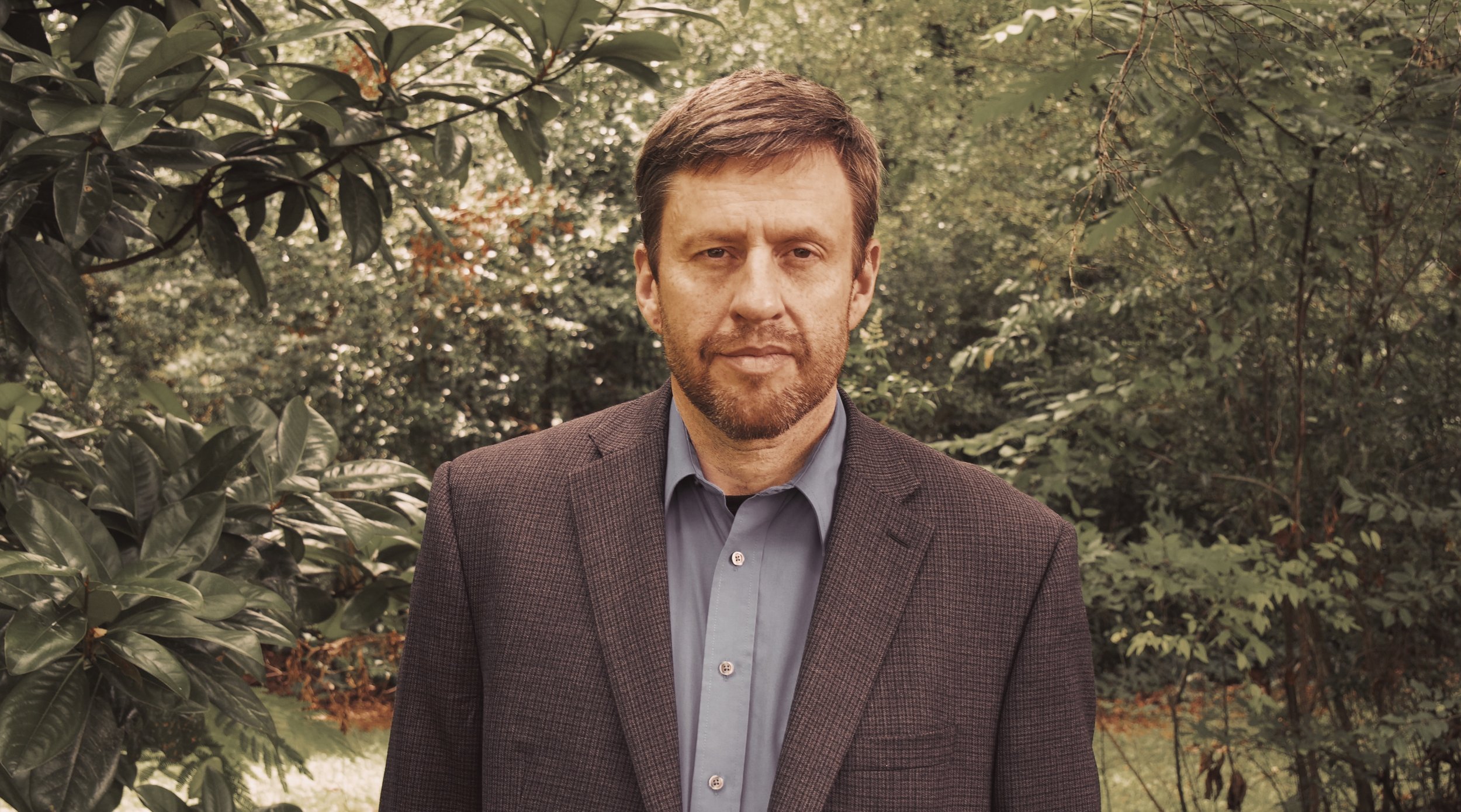
ARTICLES BY DEWAYNE
Christian Articles With A Purpose For Truth.
CHRIST FORMED WITHIN
God’s purpose for us is not only that we be forgiven, but that Christ be formed within. Salvation is the beginning of a far greater journey—the shaping of the soul into the likeness of the Savior. The Father’s desire is not just to make us better, but to make us His. Paul wrote with holy yearning, “My little children, for whom I labor in birth again until Christ is formed in you” (Galatians 4:19). This is the mystery of the Christian life—not us trying to be like Him, but Him living in us, expressing His life through clay vessels.
This forming comes through the Cross. The Cross is not only the place where Christ died for us; it is where we die with Him. It is where pride is broken, where self-will is surrendered, and where our hearts are emptied so His Spirit can fill them. Each time we yield our way for His way, His image grows clearer in us. “I have been crucified with Christ; it is no longer I who live, but Christ lives in me” (Galatians 2:20). The Cross is not the end of life—it is the beginning of His life in us.
Christ in us is the secret to all fruitfulness. Without Him, we can do nothing (John 15:5). But when we abide in Him, His love flows through us like living water. Our words become softer, our service becomes purer, and our hearts begin to reflect His patience and peace. We do not strain to bear fruit; we simply stay near the Vine, and His life produces what our effort never could. The more we rest in His presence, the more His beauty begins to shine through.
This is the true work of grace—not achievement, but transformation. God’s goal is not to make us famous, but faithful. Not powerful in the eyes of men, but pure in the sight of Heaven. Day by day, the Holy Spirit shapes us, often quietly, through trials, tears, and tender mercies, until the life of Christ is seen. And when that happens, heaven touches earth. The fragrance of His life fills our days, and the world sees not us, but Him who lives within.
Lord Jesus,
Let Your life be formed within me. Shape my heart to mirror Yours. Teach me to yield where I once resisted, to love where I once judged, to trust where I once feared. May the Cross do its holy work in me until pride is broken and Your peace reigns. Let my life be a reflection of Your gentleness and strength. Abide in me as the Vine in the branch. Let Your words find a home in my heart, and let Your Spirit breathe through my days. When I am weak, be my strength. When I am silent, speak through me. When I am still, fill me. And when I stand before You at last, may the world have seen not me, but You living in me.
Amen.
Bryan Dewayne Dunaway
THE SPIRIT WHO GIVES LIFE
The Spirit of God has always been moving—hovering over the waters in the beginning, breathing life into creation, whispering truth through prophets, and filling hearts with holy fire. From Genesis to Revelation, His presence marks the heartbeat of God’s work among men. Wherever the Spirit moves, death yields to life, despair gives way to hope, and dry ground blossoms again.
In the Old Testament, we see the Spirit at work in promise and power. The prophets spoke of His coming as rain upon the wilderness. Isaiah said, “The Spirit of the Lord shall rest upon Him—the Spirit of wisdom and understanding” (Isaiah 11:2). Ezekiel heard God say, “I will put My Spirit within you and cause you to walk in My statutes” (Ezekiel 36:27). Joel declared, “I will pour out My Spirit on all flesh” (Joel 2:28). The same breath that hovered over the deep in creation now enters the hearts of the redeemed in new creation.
Few scenes portray this better than Ezekiel’s vision in the valley of dry bones (Ezekiel 37:1–14). The prophet stands amid lifeless remains—symbols of a people without hope. Yet when God commands him to speak, the bones begin to rattle, the sinews stretch, the flesh returns, and finally the breath of God fills them. What was once dead stands alive, an army raised by the Spirit’s breath. So it is with every believer who receives the Spirit of Christ. We who were dead in sin are made alive unto God, not by effort, but by the indwelling breath of Heaven.
In the New Testament, the promise becomes personal. Jesus calls the Spirit a Helper, Teacher, and Comforter (John 14:26). He guided first century men into all truth (John 16:13). Today, He fills us with divine love (Romans 5:5), and empowers us to live and share Christ boldly, in principle the way He did the apostles of Christ (Acts 1:8). Paul reminds us that we are temples of the Spirit (1 Corinthians 3:16), that the Spirit intercedes when words fail (Romans 8:26), and that His fruit is love, joy, peace, and all that reflects the life of Christ (Galatians 5:22–23). The same power that raised Jesus from the dead now works in us to produce holiness and strength.
Discipleship without the Spirit becomes labor without life. But when the Spirit fills us, the Christian walk ceases to be duty and becomes delight. The Spirit does not make us perfect overnight, but He makes us alive. And in that life, Christ is formed within. Let us yield daily to His quiet leading, letting His wind blow through every thought and desire, until our hearts echo the faith of Ezekiel’s valley: “Thus says the Lord God…I will put My Spirit in you, and you shall live.”
Holy Spirit of Christ, breathe upon me again. Move within the dry valleys of my heart and make them green with Your life. Teach me to walk in Your ways, to love as Christ loved, and to live in constant fellowship with You. May every word I speak and every step I take bear the fruit of Your presence. Fill me, renew me, and make me a vessel through whom the breath of Heaven flows. In Jesus’ name, Amen.
Bryan Dewayne Dunaway
FAITH THAT LIVES
Faith is not a word we wear—it is a life we live. It is not a certificate of belief, but a continual surrender to the will of Christ. True faith moves the heart to obedience and the hands to service. It is more than something we say; it is something we show. As James wrote, “Faith without works is dead” (James 2:26). Real faith breathes, walks, and loves. It is seen in the quiet acts of those who trust God when the night is long and the way is hidden.
Jesus never called anyone to half-hearted belief. He called us to follow—to take up our cross and walk in His steps (Luke 9:23). Faith that only speaks will fade, but faith that serves will shine. It is one thing to say, “I believe,” and another to live as though Christ is truly Lord. The world listens more to the sermon we live than to the one we preach. A single act of kindness born of faith often says more than a thousand words of theology.
The early disciples turned their world upside down because they first turned their hearts right side up. They believed deeply and loved boldly. Their faith was not hidden behind closed doors; it walked the streets, fed the hungry, and comforted the broken. That same living faith can still change hearts today—one prayer, one act of mercy, one word of truth at a time. Faith that loves cannot stay silent.
Our faith is tested not in comfort but in trial. It holds steady when the winds blow and hope seems dim. It trusts when understanding fails. When our strength gives out, faith leans harder on the everlasting arms. The fire of adversity does not destroy real faith—it refines it. In the furnace of hardship, we learn that our foundation is not in ourselves, but in Christ alone.
So let us keep our faith alive—faith that prays, faith that works, faith that endures. Let it be known not merely by what we say, but by how we serve. Let our hearts reflect His love, and our lives display His light. For when faith is alive, it points beyond us—to the One who said, “Be faithful until death, and I will give you the crown of life” (Revelation 2:10).
Bryan Dewayne Dunaway
GRACE GREATER THAN OUR DIFFERENCES
It is a wonderful day when a man discovers that God loves him in spite of himself. Many of us have spent years trying to prove ourselves worthy of His acceptance. We measured ourselves by rules and judged others by the same fragile yardstick. Yet one day, the truth of grace broke through our narrow thinking, and we saw that God’s love is not earned by the perfection of our performance, but received through the perfection of Christ.
The church was never meant to be a gallery of flawless saints, but a fellowship of forgiven sinners. Each of us comes to the table of the Lord with our scars and stories, our strengths and our stumblings. The blood of Christ makes room for all who come in humble faith. When we understand that, we cease to divide His family over matters of opinion, and we begin to see one another as brothers and sisters redeemed by the same mercy. It is only pride that builds walls where Christ died to build bridges.
The unity of the Spirit is not created by us; it is kept by us (Ephesians 4:3). We do not manufacture the body of Christ; we merely recognize it. If Christ has received a man, who am I to reject him? If Christ has forgiven a soul, who am I to hold his past against him? Love compels us to see beyond the surface and to honor the work of God in every heart that calls upon His name in sincerity and truth.
True fellowship grows not from uniformity but from shared humility. The closer we draw to Christ, the nearer we come to each other. It is in His presence that our differences fade and our hearts soften. The man who kneels before the cross has no time to look down upon his brother. The ground is level there. All are debtors to grace, and none have room to boast.
So let us walk together as those who have been forgiven much. Let us love with patience, listen with gentleness, and labor for peace within the household of faith. The world will know we are His not by our arguments but by our love. And in that love, imperfect though we are, the glory of Christ will shine through.
Bryan Dewayne Dunaway
THE AUTHORITY OF CHRIST ALONE
There is a quiet power in submitting to Christ alone. When the heart bows before His Word, confusion fades, and light begins to shine again. Through the centuries, voices have multiplied and opinions have divided, yet the gentle call of the Lord still rings clear: “Follow Me.” His Word is not uncertain. It is living truth, spoken in love, breathed by the Spirit, written that we might know Him and walk in His steps. “Whatever you do in word or deed, do all in the name of the Lord Jesus” (Colossians 3:17).
The voice of Christ speaks through Scripture. The Bible is not man’s invention—it is Heaven’s invitation. In its pages, we meet not a system but a Savior, not a creed but a cross. When we cling to His Word, we find freedom, for His truth liberates rather than binds. The early believers were not known by divisions or denominational names, but by their devotion to the Lord and to one another. They were simply disciples—followers of the risen Christ. Their unity flowed not from sameness of opinion, but from oneness of heart.
Faith is born where the Word is heard. “Faith comes by hearing, and hearing by the word of God” (Romans 10:17). The message of the gospel still pricks the heart as it did on Pentecost, calling us to repentance and new life. The Spirit moves through the Word to awaken trust, to reveal grace, to draw us near to the Father through the Son. It is a holy summons that demands not debate, but obedience.
Obedience is not the work of pride, but the fruit of love. When we repent, confess, and are baptized into Christ, we are not earning salvation—we are surrendering to it. We are buried with Him, raised with Him, and sealed by His promise (Romans 6:3-4). Every act of obedience is an act of faith—a way of saying, “Not my will, but Yours be done.”
Let us, then, return with humble hearts to the authority of Christ alone. Let us listen before we speak, love before we argue, and serve before we seek to lead. The church shines brightest when it stands upon the Word and bows before the Lord. If we live and love by His Word, our unity will not be forced—it will be found. And in that beautiful oneness, the world will see Jesus.
Bryan Dewayne Dunaway
ABIDING IN THE LIFE OF CHRIST
When Jesus said, “I am the true Vine, and My Father is the Vinedresser” (John 15:1), His words were spoken in the quiet upper room, where shadows deepened and love overflowed. He had washed their feet (John 13:5), broken the bread, shared the cup (Luke 22:19–20), and now He shared His very heart. The Vine was before them—not just an illustration, but a revelation. He is the true Source of life (John 14:6), the unseen power that turns faith into fruit and sorrow into song. Every branch that abides in Him draws its strength from His life (John 15:4). Every word He speaks becomes the sap that nourishes the soul (John 6:63).
He is the perfect Teacher because He is the truth itself (John 14:6). Others point toward light, but He is the Light (John 8:12). Others tell us how to live, but He gives the life that makes living possible. He calls us not merely to learn from Him but to live in Him (John 15:4). This is more than discipleship. It is divine union. The Christian life is not imitation but participation—Christ living in us, as the branch lives through the vine (Galatians 2:20).
The Father, as the Vinedresser, prunes every fruitful branch (John 15:2). His knife is never harsh but holy. What feels like loss is love’s refinement. He cuts away pride, fear, and the clutter of self that we might yield more of His likeness. “No chastening seems joyful for the present,” Scripture says, “but afterward it yields the peaceable fruit of righteousness” (Hebrews 12:11). Every tear shed in faith becomes the dew that nourishes new growth. The soul that submits to His hand becomes radiant with quiet strength.
We are cleansed by the word He speaks (John 15:3). Just as the gardener washes the dust from the leaves so the light may touch them, the Spirit uses Scripture to wash the soul (Ephesians 5:26). The blood of the Lamb makes us clean, but the Word keeps us clean. The heart renewed daily by truth will always bear fruit that glorifies the Lord (John 15:8). His cleansing is not condemnation but communion, restoring the shine of grace where the dust of the world had dimmed it.
Salvation itself is pure gift (Ephesians 2:8). We come to the Vine not with merit but with need. Christ fulfilled every righteous demand on our behalf (Romans 8:3-4). We do not work to earn salvation. We work because we have been saved. Love becomes our motive, gratitude our labor. “If you love Me, keep My commandments” (John 14:15). The fruit of obedience does not purchase life—it proves it. The branch that abides in the Vine cannot help but bear fruit. It is the natural outflow of divine life within (John 15:5).
To abide is to remain—to rest, to trust, to draw our strength from Him continually (John 15:9–10). It is not striving but surrender, not performance but dependence. It is waking each morning with the quiet prayer, “Without You I can do nothing” (John 15:5). Abiding fills the soul with peace in the storm and joy in the pruning. It turns ordinary days into holy ones, because the life within the believer is no longer his own. “It is no longer I who live, but Christ lives in me” (Galatians 2:20).
When the night grows dark and the branches seem barren, we remember His promise: “Abide in Me” (John 15:4). Beneath the soil, unseen, the roots still live. The sap will rise again. The fruit will return. So we wait, resting in His unchanging love. Seasons of barrenness are not abandonment but preparation. The joy will come, the fruit will ripen, and the Vine will be glorified (John 15:8).
Lord Jesus, let my heart abide in You today, that Your life may flow through me forever.
Bryan Dewayne Dunaway
THE SIMPLE WAY OF CHRIST
It is one of the great tragedies of our age that men have made complex what God made simple. The gospel of Christ is not a maze of doctrines but a message of redemption. Jesus did not come to burden men with systems; He came to set men free. His call was not to an institution of walls and names but to a life of love and truth. He said, “Follow Me,” not “Follow your party.” He invited us to a Person, not a program.
In the early church, believers were known simply as “disciples” and “brethren.” Their fellowship was grounded not in uniformity of thought but in their shared faith in Christ Jesus. They broke bread together, prayed together, and cared for one another as members of the same spiritual family. Their bond was not organizational, but relational. They were united not because they agreed on every issue, but because they belonged to the same Lord who had washed them in His blood.
Over time, we have often drifted from that simplicity. We have sometimes built fences where the Lord built doors. We have measured one another by forms and phrases instead of faith and fruit. But truth is not confined to our boundaries, nor is grace limited to our understanding. Wherever Christ is honored, and souls are being changed by His Spirit, there we should rejoice. The work of God cannot be confined to our labels or limited to our sight.
The gospel calls us back to the heart of things — to love God and to love one another. Jesus said that on these two commandments hang all the law and the prophets (Matthew 22:37–40). The Christian life begins and ends there. If we love as He loved, truth will not divide us but deepen us. If we walk in the light as He is in the light, we will have fellowship one with another, and the blood of Jesus Christ His Son will cleanse us from all sin (1 John 1:7).
May we return to the simple way of Christ — not proud of our heritage but humbled by His grace. Let us seek unity, not by compromise of truth, but by a fuller devotion to the One who is the Truth. In Him we find both freedom and fellowship, both purity and peace. When we stand together beneath His cross, our divisions fade, and the world can once again see in us what God intended from the beginning — a people of love, redeemed by grace, and devoted to His Son.
Bryan Dewayne Dunaway
THE SCHOOL OF CHRIST
In the School of Christ, we are the students, and He is the Master Teacher. To be His disciple is to sit at His feet and learn. He says, “Come unto Me, all you who labor and are heavy laden, and I will give you rest. Take My yoke upon you and learn of Me, for I am meek and lowly in heart, and you shall find rest for your souls” (Matthew 11:28–30).
The invitation is not to labor for Him, but first to learn of Him. Many rush into service before sitting in silence. Yet the soul must be taught before it can be trusted with the weight of ministry. A yoke is not a shackle but a shared burden. To be yoked with Christ is to walk beside Him, learning His pace, His patience, His peace.
No man ever taught as He taught. When He opened His mouth, eternity spoke through human lips. His words pierced the conscience like lightning through a cloud. The crowds marveled because He spoke with authority—not the borrowed authority of men but the voice of heaven. That authority was His by divine right. The Father gave it to Him. And through His perfect life, His sacrificial death, and His triumphant resurrection, that authority shines with eternal glory (Matthew 28:18).
The School of Christ has no graduation, no final bell. We learn until we see His face. Every trial becomes a classroom, every disappointment a lesson, every blessing a test of gratitude. He teaches us by truth and by tears. Sometimes His chalk is suffering, and the board upon which He writes is our own heart. But when the lesson is complete, the soul glows with a deeper love for the Teacher.
Paul understood this when he said, “That I may know Him, and the power of His resurrection, and the fellowship of His sufferings, being conformed to His death” (Philippians 3:10). To know Christ is to know life at its fullest and love at its deepest. Even after visions and miracles, Paul’s longing cry was still this: That I may know Him.
Father, I want to know you. You are the longing of my soul. Thank you for hearing me when I pray and help me to be molded into the image of Jesus. May I never graduate from the school of my Lord and Savior Jesus Christ. Help me to learn and follow every day as His faithful disciple. In Jesus name, amen.
Bryan Dewayne Dunaway
THE BIBLE: GOD’S MESSAGE TO MANKIND
The Bible is not the word of men but the Word of God. Paul declared, “All Scripture is given by inspiration of God” (2 Timothy 3:16). Every line, every precept, every promise bears the mark of divine authorship. Holy men of God spoke as they were moved by the Holy Spirit (2 Peter 1:21). The Bible is not a human guess about God; it is Heaven’s gracious revelation to earth. When we open its pages, we are not reading what man thought about God, but what God thought about man. It stands as the one book that speaks with divine authority, purity, and certainty.
The Bible is also perfect in its purpose. It reveals man’s ruin by sin and God’s remedy through His Son. From Genesis to Revelation, it tells the same unbroken story of redemption. The Old Testament points forward to Christ; the New Testament points back to Him. The crimson thread of atonement runs through its every page. The patriarchs looked for His coming, the prophets spoke of His suffering, the apostles declared His resurrection, and the church proclaims His return. Truly, the Bible is the book of Christ.
The Bible is practical in its power. It teaches the sinner how to be saved and the saint how to live. It rebukes sin, corrects error, and trains us in righteousness (2 Timothy 3:17). The Word of God is living and powerful (Hebrews 4:12). It strengthens the weak, comforts the weary, and guides the wandering soul back to the path of truth. No philosophy of men can cleanse the heart, but the pure Word of God can (Psalm 119:9). Those who build their lives upon it are building upon a rock that will not crumble in the storms of life (Matthew 7:24–25).
The Bible is permanent in its preservation. Heaven and earth shall pass away, but the words of Christ shall not pass away (Matthew 24:35). Kings have banned it, critics have attacked it, and skeptics have denied it, yet it remains. Like an anvil that wears out many hammers, the Bible endures every blow. Its message cannot be silenced, for it is the voice of the Eternal. As long as man has a soul to save and a sin to shun, the Bible will remain God’s indispensable book for every generation.
Let us therefore love it, learn it, and live it. The Bible will keep us from sin, or sin will keep us from the Bible. May we open its pages with reverence and close them with obedience. Let it be the lamp to our feet and the light to our path (Psalm 119:105). In its words we find not only truth for the mind, but grace for the heart and hope for the soul. Blessed is the man whose delight is in the law of the Lord.
Bryan Dewayne Dunaway
THE COST AND BEAUTY OF TRUE DISCIPLESHIP
To walk with Christ is more than to admire Him from afar. It is to follow Him in heart and in life, to be so joined to His will that our own desires bow in reverent surrender. Many begin with zeal, but few endure the refining path where self must die that Christ might live. Discipleship is not a road of comfort, but of transformation. It is not a call to improvement, but to crucifixion. “If anyone desires to come after Me, let him deny himself, take up his cross daily, and follow Me” (Luke 9:23).
The Christian life begins not with what we do for God, but with what He has done for us. Yet discipleship goes further—it is the outworking of that divine life within us. The cross that once saved us now shapes us. In dying to our own will, we learn to live by His. This is the mystery of true freedom: that surrender brings victory, and that weakness becomes strength when placed in His hands. The disciple who abides in Christ learns that obedience is not a burden, but a song of love rising from a heart made new.
Discipleship is also a call to intimacy. It is not mere instruction, but communion. Jesus did not simply teach principles. He shared life. He washed the feet of His followers and broke bread in their presence. In that humility, we see the heart of the Master. To be His disciple is to let Him wash our hearts clean, again and again, and then to go and serve others with that same tenderness. A disciple’s greatness is measured not by knowledge, but by likeness to the Lord.
The path is narrow, but not lonely. Christ walks with us, and His Spirit breathes strength into weary souls. The world may scorn the disciple’s devotion, yet Heaven smiles upon it. Every hidden act of faithfulness, every quiet surrender, every whispered “Yes, Lord,” becomes a thread in the tapestry of eternal glory. The discipline of discipleship is not an end. It is a preparation for endless fellowship with the One who first loved us.
Let us then follow Jesus with eyes fixed upon Him. Let the gentle winds of His Spirit renew our minds, and the living Word guide our steps. Let every thought, every breath, every moment be consecrated to His purpose. For in losing all for Christ, we gain what can never fade—His presence, His peace, His likeness formed within. “He who abides in Me, and I in him, bears much fruit” (John 15:5). May we be such disciples, conformed to His cross and filled with His life forevermore.
Lord Jesus, draw my heart nearer to You. Teach me to follow You not in word only, but in quiet obedience and daily surrender. Let my life be a reflection of Your love, and my will be lost in Yours. When the path grows narrow, strengthen me to keep walking. When my faith grows weary, breathe Your peace within me. Let every step, every thought, and every act of service bring glory to Your name. Form in me the spirit of true discipleship—humble, steadfast, and filled with Your light. Amen.
Bryan Dewayne Dunaway
BETHANY — WHERE JESUS WAS WELCOME
In Jerusalem, the city of law and ritual, men clung to the letter but missed the Spirit. The temple stood there in its splendor, yet its worship had become hollow. They debated the Scriptures but did not recognize the Word made flesh standing among them (John 1:11). They guarded their traditions more carefully than their hearts. The Lord of glory was not welcome within their walls. Their lips honored God, but their hearts were far from Him (Matthew 15:8). The sound of prayers filled the courts, but the presence of God was missing.
So Jesus went to Bethany.
Bethany was a small town just beyond the Mount of Olives (Luke 19:29). It was not known for power or prestige, yet it was a place of warmth and faith. While Jerusalem was filled with noise and formality, Bethany was filled with love. There He found a home with Martha, Mary, and Lazarus (John 11:1). It was a place where He could rest after the noise of the city and the weight of rejection. When others plotted against Him, Bethany offered peace. When others tried to trap Him in words, Bethany offered worship.
Some amazing things happened in Bethany. Lazarus was raised from the dead. The tears of sorrow turned into shouts of joy when Jesus called him forth from the tomb (John 11:43–44). In Bethany, death had to surrender. In Bethany, the glory of God broke through the darkness of the grave (John 11:4). It was a place where the impossible became possible, where faith saw what reason could not. The grave clothes fell away, and new life stood in the light of Christ. Bethany was the setting where the power of resurrection walked into a weeping home and turned mourning into music.
In that same town, Mary anointed the feet of Jesus with costly oil. The fragrance filled the house (John 12:3). It was her way of saying that no gift was too great for her Lord. Martha served with care and diligence (John 12:2). Mary sat at His feet and listened to His words (Luke 10:39). Together they formed a home where Jesus was understood and honored. No temple ritual could compare to that quiet devotion. The sound of Martha’s serving, the stillness of Mary’s listening, and the laughter of Lazarus—these were the sounds that made Bethany a sanctuary of love.
Bethany was more than a place. It was a picture of the heart Jesus desires. A heart that listens instead of argues. A heart that gives instead of calculates. A heart that worships instead of worries. It is the heart that says, “Stay here, Lord. This is Your home.” A heart content with His presence and not seeking attention. The heart that trusts His word even when it cannot trace His ways.
Jerusalem represents religion without relationship. It had law but no love. It had ritual but no rest. It could not appreciate Jesus because legalism never can. Legalism measures and condemns, but love bows and believes. Legalism asks, “Is this allowed?” but love asks, “Does this please You?” The spirit of Jerusalem criticizes while the spirit of Bethany cherishes.
Let our hearts be like Bethany. Let them be a resting place for the Lord. A place where His words are treasured and His presence is welcomed (John 14:23). A place where gratitude replaces performance and faith replaces fear. A place where prayers rise like sweet fragrance and obedience flows from love.
In Bethany He was not debated but adored. Not examined but embraced. Not questioned but quietly worshiped. The world outside was plotting His death, but inside that home He was surrounded by hearts that loved Him. There He could rest, knowing He was understood.
May our hearts become such a home. May Jesus find in us what He found in that humble little town—a place where He can stay.
Lord Jesus, You found no rest in the proud halls of Jerusalem, but You were welcomed in the humble home at Bethany. Make my heart that kind of place. Sweep away the coldness of ritual and the hardness of pride. Let my thoughts be like Mary’s, resting at Your feet. Let my service be like Martha’s, done with love. Let my faith be like Lazarus’s, alive because of Your word. Teach me to welcome You not just with words, but with the quiet faith that pleases You. Dwell within me, Lord, and be comfortable there. May my heart be Your Bethany today. Amen.
Bryan Dewayne Dunaway
THE CALL TO BE DISCIPLES OF JESUS
The word disciple means learner and follower. That is what we are—learners and followers of Jesus Christ. A disciple listens to His teaching and follows His example. He has ears attuned to the voice of Christ and feet that walk in His steps. Every decision, every step, is taken under the direction of the Lord.
To be a disciple is to be an apprentice, a student sitting before the Master, learning not only with the mind but with the heart. The disciple’s greatest desire is to bring pleasure to the One who called him. The Master does not call us to a classroom but to a cross. His lessons are not written on paper but on the tablet of the heart. His teaching is living truth, breathed through the Spirit and sealed with divine love.
To follow Him in discipleship is to feed on Him daily, for He is the Bread of Life. Just as food sustains the body, so Christ sustains the soul. The Israelites gathered manna one day at a time (Exodus 16:4–8), and that is what we must do with Jesus—gather from His presence daily. When we live in constant communion with Him, we will never suffer from spiritual hunger (John 6:35).
He who walks with Christ walks in the sunlight of heaven while still treading the dust of earth. The soul that feeds upon Him will not faint when storms rise or shadows fall. He is our nourishment, our strength, our rest. Every moment of life demands air to breathe and light to see. Every moment of the spirit demands the presence and power of Christ. To live without Him is starvation of the soul.
The disciple’s life is a pilgrimage. Not a race toward riches or recognition, but a journey toward likeness with the Savior. It is learning to walk in rhythm with His steps, to listen for His whisper in the wind, and to bow in quiet surrender when His will leads us through dark valleys. The world calls it loss. Heaven calls it gain.
Bryan Dewayne Dunaway
THE SWEET SOUNDS OF HEAVEN
I have been listening to The Rolling Stones since I was a kid. The first time I heard them, something in me came alive. I still listen to them today. I am under no conviction about it, for I do not share or endorse every part of their lifestyle or the themes in some of their songs, but I do love their music—the good ones, the deep ones, the ones that stir the heart. And now, all these years later, there is a new song that feels almost like a hymn. It is called “Sweet Sounds of Heaven,” from their latest album Hackney Diamonds. It is a gospel-infused song that features Lady Gaga and Stevie Wonder, and it moves with a kind of reverence that you rarely hear in modern music. When I first listened, it caught my spirit off guard. It is soulful, powerful, and full of longing for the divine—one of the most beautiful things they have done since Angie back in 1973.
The Rolling Stones are an anomaly in the world of music. They are hard to understand—both gritty and graceful, both rebellious and reflective. They have produced songs that could never be recommended, filled with vulgarity and excess, yet every now and then they release something deeply spiritual, almost sacred. I do not recommend Brown Sugar or Honky Tonk Women or Start Me Up, even though they are among their most famous hits.
But I can gladly recommend As Tears Go By, Angie, Wild Horses, Waiting on a Friend, Moonlight Mile, Shine a Light, Let it Loose, Just Want to See His Face, She’s a Rainbow, You Can’t Always Get What You Want, No Expectations, Salt of the Earth, Blinded by Rainbows, Out of Tears, Till the Next Goodbye, Winter…and a hundred or so others. These songs touch on love, longing, friendship, and beauty rather than lust or vanity. If you are selective, you can find moments of light even in the music of a band known mostly for its edge. That is how life works too—light and shadow, good and evil, sometimes intertwined—and our task is to choose what lifts us higher.
In Sweet Sounds of Heaven, Mick Jagger sings about hearing heaven’s music descending upon the earth, like rain falling softly on a thirsty field. It is as if he is reaching upward, longing for a cleansing sound from another world. The song speaks of wanting to make the world a better place, of love and renewal, of joy that comes down like a melody from heaven itself. It is a song about grace whether he knows it or not. The imagery of rain, of instruments rising, of the earth being washed in heavenly sound—all of it reminds me of the Spirit of God moving upon the waters. It calls to mind the prophet Joel, who said, “I will pour out My Spirit on all flesh” (Joel 2:28). God’s Spirit is always pouring, always descending, always bringing heaven’s music to our weary souls.
There is also something beautiful in seeing these men, now in their eighties, still singing, still searching. They have lived wild lives, seen the best and worst of fame, and yet here they are, still reaching for heaven. That tells me something about grace. It tells me that no one is too old for renewal, that it is never too late to sing a new song. Scripture says, “Sing to the Lord a new song; sing to the Lord, all the earth.” (Psalm 96:1) The music of heaven does not belong to the young or to the pure—it belongs to the redeemed, to those who have been touched by mercy. Even an aging rock band, scarred by decades of excess, can suddenly sound like a choir.
I recommend Sweet Sounds of Heaven not because it is perfect, but because it points upward. It invites the listener to look beyond this world’s noise and listen for something holy. It is as if heaven itself leans close and whispers through melody, “Come up higher.” When we listen with open hearts, we may find that God is speaking even through unexpected voices. He has always done that. He spoke through Balaam’s donkey, through Cyrus the king, through fishermen and tax collectors. He can surely speak through a song that longs for heaven.
So listen quietly. Let the sweet sounds of heaven rain down upon you. Let them cleanse your thoughts, soften your heart, and remind you that music can still lift us toward God when our souls are weary. The next time you hear that gospel refrain echoing through a song like this, imagine the angels joining in. Imagine heaven and earth blending for a moment, the way they will someday when Christ returns in glory. For now, we just hear the echoes—but someday, we will stand in the full sound.
Bryan Dewayne Dunaway
TWO SIDES OF THE SAME COIN: The God of Wrath and Grace
Nahum’s vision opens like a thunderstorm. The prophet’s words rise from the heart of ancient Judah around 650 B.C., when Nineveh, the proud capital of Assyria, stood tall in its arrogance. Once, God had shown mercy to that city through Jonah’s preaching, and the people repented. But generations later, they turned back to cruelty and idolatry. Nahum’s prophecy became a solemn song of justice. It declared that God’s patience, though long, is not endless. The storm of divine wrath was rolling in. Yet even within this fire, the mercy of God glows like an ember that never dies.
“The Lord is slow to anger and great in power, and will not at all acquit the wicked” (Nahum 1:3). The whirlwind obeys Him. The mountains quake at His voice. The earth trembles beneath His feet. But for those who take refuge in Him, He becomes a fortress strong and sure: “The Lord is good, a stronghold in the day of trouble; and He knows those who trust in Him” (Nahum 1:7).
The prophet teaches us that God is not divided in His nature. His wrath and His mercy flow from the same holy heart. To remove either is to create an idol. It is as though a gambler tried to cheat by minting a coin with two heads—always landing the same way, never showing the other side. Some would “flip” God and only see grace. Others, only judgment. But the true coin of divine character bears both sides: wrath and mercy, holiness and love.
We read, “Behold therefore the goodness and severity of God” (Romans 11:22). The same God who rains fire upon sin also rains grace upon sinners. “For the wrath of God is revealed from heaven against all ungodliness and unrighteousness of men” (Romans 1:18), yet this same God “justifies freely by His grace through the redemption that is in Christ Jesus…through faith in His blood” (Romans 3:24–25).
The cross of Jesus Christ is where both sides meet. There, wrath and mercy kiss. There, judgment falls and grace rises. The Son of God stepped into the consuming fire, and the flames became light for all who believe. “Our God is a consuming fire” (Hebrews 12:29), yet “His mercy endures forever” (Psalm 136:1). Both are true, and both are glorious.
Some see God only as Judge, and they cower in fear. Others see Him only as Friend, and they forget His holiness. But faith must walk in balance—like the tightrope walker who steadies himself with perfect poise. A faith that leans too far to one side will fall either into despair or presumption. We are not walking a wire to earn His favor, but we must keep a steady vision of who He is—holy love, consuming grace, fierce mercy.
When Jesus turned over the tables in the temple (John 2:15–16), His eyes burned with the same fire that would later weep over Jerusalem. When He warned, “Do not fear those who kill the body but cannot kill the soul. Rather fear Him who is able to destroy both soul and body in hell” (Matthew 10:28), His words were not cruelty. They were compassion, calling souls to awaken before the storm.
And in the parables, He spoke of “outer darkness, where there will be weeping and gnashing of teeth” (Matthew 25:30), and of the place “where their worm does not die and the fire is not quenched” (Mark 9:48). Yet the same lips that spoke of judgment also said, “Come to Me, all you who labor and are heavy laden, and I will give you rest” (Matthew 11:28).
In Matthew 25:31–33, He showed us the final division, when all nations are gathered before Him, and He separates them as a shepherd divides sheep from goats. The same hand that blesses the righteous will cast judgment upon the unrepentant. It is the hand of a holy God, steady and just.
The sun and moon both give light—the sun in its blazing day, the moon in its reflective night. So too, the wrath and mercy of God reveal His glory. His wrath purifies. His mercy preserves. His holiness is the balance of His love.
Nahum saw that balance. He saw a God who avenges yet redeems, who strikes but also shelters. The fire burns, but in its center stands a cross, a refuge for all who will believe.
The same fire that consumes sin warms the soul that trusts in Christ. Those who rest in His grace have nothing to fear. The flames of judgment will not touch them, for the blood of Jesus covers them completely. “The grace of God that brings salvation has appeared to all men” (Titus 2:11).
So let the trumpet sound. The alarm of readiness has been blown. We do not know when the Son of Man will return, but we can be ready—by focusing upon Him as a laser fixes its gaze upon the glass, burning through the blur of distraction until only His image remains.
Behold the God of Nahum—the same yesterday, today, and forever. The Judge and the Savior. The Fire and the Fountain. The Storm and the Shelter.
O Lord of holiness and mercy,
You are the fire that purifies and the refuge that protects. Teach me to behold both the severity and the goodness of Your nature. Let my soul tremble and yet rest, fear and yet rejoice.
Burn away every false idea of You—every idol of convenience, every image of indulgence. Clothe me in reverent love. Balance my heart that I may neither presume upon Your grace nor despair under Your justice. May my life reflect Your fullness—grace and truth together, love and holiness united. When the final trumpet sounds, let me be found hidden in Christ, justified by faith in His blood, and radiant in the light of Your mercy.
In Jesus’ holy name, Amen.
Bryan Dewayne Dunaway
THE HOUSE OF THE LORD
Isaiah wrote during the eighth century before Christ, in the days when Judah was facing national decline. The northern kingdom of Israel was about to fall to the Assyrians, and Judah herself was teetering on the edge of spiritual ruin. It was a time of prosperity outwardly, but inwardly the nation was sick with idolatry, pride, and injustice. Into that dark hour, God raised up Isaiah, whose very name means “The Lord is Salvation.” His ministry stretched from the reign of Uzziah to that of Hezekiah, spanning decades of warning, promise, and hope. Though Isaiah spoke to a people who would eventually go into Babylonian captivity, his message rose beyond the temporal and pointed forward to the eternal purposes of God—the establishment of His house, His dwelling, His church.
Isaiah chapter 2 opens with a breathtaking vision: “Now it shall come to pass in the latter days that the mountain of the Lord’s house shall be established on the top of the mountains, and shall be exalted above the hills; and all nations shall flow to it” (Isaiah 2:2).
Jerusalem, the city of God, sat upon a hill. It was there that God’s temple stood, the earthly representation of His dwelling among men. But Isaiah looked beyond the physical structure. He saw the spiritual house that the Lord Himself would build, the one not made with hands. This “mountain of the Lord’s house” points forward to the church of Christ, established on the day of Pentecost when the Spirit was poured out from heaven and the Word of the Lord went forth from Jerusalem (Isaiah 2:3; Acts 2:1–4).
Jesus had promised, “Upon this rock I will build My church, and the gates of Hades shall not prevail against it” (Matthew 16:18). The “rock” was the confession that Jesus is the Christ, the Son of the living God. It was Peter who first declared that confession publicly, and it was Peter who was given “the keys of the kingdom of heaven” (Matthew 16:19). He used those keys when he preached the gospel in Jerusalem (Acts 2:38–41), opening the doors of the Lord’s house to all who would believe and obey.
Isaiah’s vision shows that this house would be “established on the top of the mountains.” Mountains in Scripture often symbolize authority and stability. God’s house stands higher than all other mountains, higher than every kingdom, religion, or human power. It is supreme in majesty because it is divine in origin. “The law of the Lord shall go forth from Zion, and the word of the Lord from Jerusalem” (Isaiah 2:3). From that city, the message of salvation spread to all nations.
The apostle Paul described this house plainly: “I write so that you may know how you ought to conduct yourself in the house of God, which is the church of the living God, the pillar and ground of the truth” (1 Timothy 3:15). The church is not merely an organization. It is a living, spiritual house. “We are God’s building,” Paul said (1 Corinthians 3:9). “You are no longer strangers and foreigners, but fellow citizens with the saints and members of the household of God” (Ephesians 2:19).
God has always built according to a pattern. When He told Moses to construct the tabernacle, He said, “See that you make all things according to the pattern shown you on the mountain” (Hebrews 8:5). But Moses was not the ultimate builder—Christ is. Hebrews tells us, “Moses indeed was faithful in all His house as a servant… but Christ as a Son over His own house, whose house we are” (Hebrews 3:5–6). Christ built the house of the Lord exactly as God ordained.
That house is His dwelling place. Individually, each believer is a temple of the Holy Spirit (1 Corinthians 6:19). Collectively, we form the spiritual house where God dwells. Peter wrote, “You also, as living stones, are being built up a spiritual house, a holy priesthood” (1 Peter 2:5). We do not build our own house for God to enter. He builds His house in us. “If anyone loves Me, he will keep My word, and My Father will love him, and We will come to him and make Our home with him” (John 14:23).
This means we must not rearrange what God has built. The house is His, not ours. When you visit a friend and they say, “Make yourself at home,” you know they do not literally mean to move the furniture or repaint the walls. You respect their home because it belongs to them. In the same way, God’s house is not ours to redecorate. It is His to design, His to rule, His to fill with glory. We are guests who have been graciously invited to live in His presence. He dwells in us, and we in Him.
To be “clothed with love” (Colossians 3:14) is to wear the uniform of the household. In the same way that a man dresses for a royal occasion, putting on garments worthy of the king’s house, we are to be clothed in righteousness, humility, and love—the attire of the redeemed. For “love is the bond of perfection” (Colossians 3:14), binding together every stone in this divine structure.
The “mountain of the Lord’s house” is called a mountain because it rises above the plains of human wisdom and the valleys of worldly pride. It is unshakable. Nations rise and fall, empires crumble, philosophies fade, but the house of the Lord stands firm forever. The kingdoms of men are like sand castles beside the sea, but the house that Christ builds rests upon the rock. It cannot be moved, for its foundation is Christ Himself.
And yet this mountain is not a fortress to keep people out. It is an open invitation for all to come in. Isaiah saw that “all nations shall flow to it” (Isaiah 2:2). Like rivers ascending a hill—an impossible image in nature—the Spirit of God draws hearts upward against the gravity of sin. From every nation and tongue, people stream into the Lord’s house, seeking His truth and walking in His light.
In the wilderness of this world, that house is our refuge. When the wrath of God is revealed from heaven against all ungodliness (Romans 1:18), His mercy endures forever (Psalm 136:1). In Christ, justice and grace meet, and we find our dwelling secure. Faith in His blood justifies us, and by grace we are made righteous (Romans 3:24–25). The house of the Lord is built upon that grace—firm, eternal, unchanging.
God has built His house exactly as He desires. Every stone is placed by His own hand. Every beam is measured by His wisdom. Every inhabitant is chosen by His love. We are not called to rebuild or redesign what He has made, but to walk faithfully within it. To live as those who belong to the household of God, reflecting His beauty and holiness to the world.
O Lord, our Builder and our Dwelling Place,
Thank You for the house You have built—strong, holy, and everlasting. Thank You for setting its foundation upon Christ the Rock and for allowing us to live within its walls of grace. You have made Your home within us. Now teach us to make our hearts a welcoming home for You. Keep us from rearranging what You have ordered, from tampering with what You have designed. Let our lives be adorned by Your Spirit, decorated with love, humility, and faith. Thank You for the mountain of Your house, for the privilege of being part of Your household, and for the joy of inviting others to come and dwell within it.
In Jesus’ name, Amen.
Bryan Dewayne Dunaway
UNITY IN CHRIST ALONE
Unity among believers is one of the deepest desires of Christ’s heart, yet it is often one of the hardest realities for His people to live out. Real unity is not based on every believer seeing everything alike (Romans 14:1-4), nor is it about complete agreement on every point of doctrine. It rests on something much deeper—our shared allegiance to Jesus Christ.
When the apostle Paul wrote to the Corinthians, he urged them: “I plead with you that you all speak the same thing, and that there be no divisions among you, but that you be perfectly joined together in the same mind and in the same judgment” (1 Corinthians 1:10). He was not demanding identical thinking in every opinion, but a joining together in heart and in spirit because they belonged to the same Lord. The context reveals that they were speaking “different things” about to whom they belonged and that is what he was asking them to be united about: the fact that they belonged only to Jesus. We should just be Christians today and not use divisive names.
Paul later gave them room to differ about issues like eating meat offered to idols or observing special days (1 Corinthians 8:8-13; 10:23-33), showing that differences in non-essentials should not threaten fellowship.
A passage often used as a proof-text by those who would see us bow before their denominational authority and be divided from one another is Amos 3:3: “Can two walk together, except they be agreed?” (KJV). The idea is that we cannot have unity unless we agree on everything, doctrinally speaking. That is not only not what the prophet was talking about, that whole idea is nonsensical, illogical and unscriptural.
The Hebrew word translated “agreed” in the King James Version means to agree to or make an appointment to meet (at a stated time). Thus the emphasis is not on intellectual uniformity in all matters, but rather on a prior mutual appointment or decision: two select to walk together, they set a time or a path, they commit to the journey. The idea is shared direction and purpose, not absolute synoptic doctrine. Various translations reflect this: “Do two walk together unless they have made an appointment to walk together?” (NASB). The practical application and thrust of what Amos was saying would be that we will never have Christian unity until we decide to have unity in Jesus and agree to walk together in fellowship with Him.
This helps us see that walking side-by-side in the journey of faith means choosing to move together beneath the same Lord, not insisting that every step look precisely the same. Our unity is built on a common destination and a common Guide, not on identical viewpoints.
In the analogy of a house, if we build on shifting sand of minor opinions and secondary traditions, the storms of disagreement will surely shake the structure. But when we build on the Rock—Christ Himself (Matthew 7:24-27)—the house stands firm. True unity stands like a tree planted by streams of living water, rooted deeply in one foundation.
Our Lord prayed for this unity: “That they all may be one—as You, Father, are in Me, and I in You, that they also may be one in Us—that the world may believe that You sent Me.” (John 17:21). The visible unity of believers is part of our witness to the world. When brothers and sisters live in love and mutual respect, despite their differences, the world catches a glimpse of God’s own oneness. When we fracture over secondary matters, the world sees only disunity and confusion.
Moreover, concentrating on the core identity in Christ, Paul writes in Ephesians 4:1-6: “…endeavouring to keep the unity of the Spirit in the bond of peace. There is one body and one Spirit…one Lord, one faith, one baptism, one God and Father of all…” Our unity flows from that reality. We are one because He is one. Differences in non-essentials remain, but our shared life in Christ binds us more deeply than any divergence could separate us.
In a world that grows more secular and doubtful of truth, the cost of our disunity is high. People look for hope, but too often they see confusion. The remedy is not to erase every difference, but to lift Christ higher than all of them. When He becomes our meeting place, our hearts find common ground.
True unity does not demand that we think alike on every point. It means walking together in love, bound by the same Spirit, following the same Lord, moving toward the same goal. We may not see everything the same way, but we can walk the same road if we have chosen to walk with Him. That is the unity Jesus prayed for—the unity that stands on the Rock and will never fall.
Lord Jesus,
You are the cornerstone upon which all true unity is built. You hold the body together when our opinions differ and our understanding falters. Teach us to build our lives around You alone—to let every plan, every thought, every relationship find its place in Your will. Amen.
Bryan Dewayne Dunaway
IN THE BEGINNING: CHRIST REVEALED
A reflection on Christ in Genesis 1-2
In the beginning, God created the heavens and the earth (Genesis 1:1). With those sacred words, the curtain of eternity is drawn back. Creation bursts into being, not as a random display of power, but as the unfolding of a Person. For hidden within the opening verse stands Christ Himself, the eternal Word through whom all things were made. Before the eyes of man could behold Him, He was already there—the Wisdom of God, the voice that spoke light into darkness and order into chaos.
John later testified, “In the beginning was the Word, and the Word was with God, and the Word was God…all things were made through Him” (John 1:1, 3). The One who would one day hang upon a cross first hung the stars in their places. The same hands that would bear the marks of nails were the hands that shaped the galaxies. “By the word of the Lord the heavens were made, and all the host of them by the breath of His mouth” (Psalm 33:6). Creation itself was His first sermon, a testimony of His glory, a mirror of His majesty.
When God said, “Let there be light,” He was not only commanding the sun to shine. He was revealing the coming of His Son, “the true Light which gives light to every man” (John 1:9). The light that pierced the first darkness was a shadow of the greater Light that would one day pierce the darkness of the human heart. Jesus would later say, “I am the Light of the world” (John 8:12). What began in Genesis was fulfilled in Him. The first dawn whispered His name.
The Spirit, too, was there, moving over the face of the deep (Genesis 1:2). The same Spirit now moves over the hearts of men, breathing life where death has reigned. Just as He brought form out of emptiness and light out of void, so He brings new creation through Christ (2 Corinthians 5:17). The breath that gave life to Adam still breathes through the gospel, awakening the soul to know its Maker.
When God formed man from the dust and breathed into him the breath of life (Genesis 2:7), it was more than an act of creation. It was a prophecy. For one day the Second Adam would come, not from dust but from heaven. Adam received life. Christ is the Life (John 14:6). Where Adam fell in a garden, Jesus stood faithful in another. In Gethsemane He knelt and prayed, “Not My will, but Yours be done” (Luke 22:42). The first man brought death by disobedience. The second brought life by surrender.
And from Adam’s side came Eve, his bride, formed while he slept (Genesis 2:21–23). How tenderly that moment points to Calvary. As Adam slept, a bride was brought forth. As Christ slept the sleep of death, His side was opened, and out flowed blood and water—the purchase of His Bride, the Church (John 19:34). Paul would later say, “This is a great mystery…but I speak concerning Christ and the Church” (Ephesians 5:32). She was bone of his bone and flesh of his flesh. And so are we, joined to Christ by grace, one spirit with the Lord (1 Corinthians 6:17).
Even the seventh day rests in His shadow. When God finished His work of creation, He rested (Genesis 2:2). When Jesus finished His work of redemption, He too rested, seated at the right hand of the Father (Hebrews 10:12). The work was complete. The same peace that filled Eden now fills the believer’s heart. “There remains therefore a rest for the people of God” (Hebrews 4:9). In Him, we cease from striving. In Him, we find our Sabbath.
From the first verse of Scripture, Christ is present. He is the Word that speaks, the Light that shines, the Breath that gives life, the Image of the invisible God. The Bible is His story—from Genesis to Revelation, from creation to new creation. He is the Alpha and the Omega, the beginning and the end (Revelation 22:13). To read Genesis without seeing Jesus is to gaze at a sunrise and miss the sun itself.
When we picture the beauty of Eden—the trees, the rivers, the voice of God walking with man in the cool of the day (Genesis 3:8)—we catch a glimpse of what was lost through sin. Yet in Christ, we see what is being restored. He is not only the Creator of all things. He is the Redeemer of all things. In Him, paradise is regained. In Him, communion is restored. In Him, we find the beginning we long for and the home our hearts remember.
May we never read Genesis again as mere history, but as holy revelation—the unveiling of Jesus, the Lamb slain from before the foundation of the world (Revelation 13:8). He is the first Word and the final Word, the One through whom all things were made and through whom all things will be made new.
Lord Jesus, You were there in the beginning. You are here even now. Open my eyes to see You in every page of Your Word—in every dawn, every promise, every whisper of creation. Let the light that shone at the first shine again in me. Teach me to rest in the finished work of Your hands, and to walk in the beauty of Your presence. For You are my beginning and my end, my Creator and my Redeemer. Amen.
Bryan Dewayne Dunaway
CYRUS THE GREAT: THE UNWITTING SERVANT OF JEHOVAH
God never sleeps. His sovereignty never grows weary. From the rise of kings to the stirring of a single heart, His rule is sure and His hand unseen (Psalm 103:19). Few lives show this more clearly than that of Cyrus the Great, the mighty Persian ruler whom the Scriptures call the Lord’s anointed (Isaiah 45:1). Though he never knew the God of Israel personally, his name was written in prophecy nearly two hundred years before he was born. Heaven had already planned his part long before history caught up.
Isaiah, the prophet of long ago, spoke of him by name: “Who says of Cyrus, He is My shepherd, and he shall perform all My pleasure” (Isaiah 44:28). Imagine it—a pagan king called God’s shepherd! Such is the wonder of God’s grace. He can use those outside the covenant to fulfill the covenant itself. He needs no permission to keep His promises.
When Cyrus entered the city of Babylon in 539 B.C., no one realized they were watching prophecy unfold before their eyes. Daniel, now an old man, must have seen it—the gates opening just as Isaiah had foretold. God was already moving history forward with divine precision. The bronze doors opened before Cyrus, not by his strength, but by the word of the Lord who had spoken it centuries earlier.
Soon the king of Persia issued a decree that shook the world: “The Lord, the God of heaven, has given me all the kingdoms of the earth, and He has charged me to build Him a house at Jerusalem” (Ezra 1:2). What mercy! The same empire that destroyed Jerusalem now financed its rebuilding. The same power that held Israel captive now sent her home. God had turned bondage into blessing, and He did it through a man who did not even know His name.
This is the God we trust. The same hand that guided Cyrus still governs every detail of our lives. He rules the nations, and He rules our tomorrows. He can work through the most unlikely people and the most unexpected moments to fulfill His purpose (Philippians 2:13). What looks like delay is often divine design.
Cyrus also gives us a glimpse of Jesus. Like Cyrus, Christ was chosen and anointed to set captives free (Luke 4:18). Cyrus opened the gates of Babylon. Jesus opened the gates of death. Cyrus sent God’s people back to rebuild a temple of stone. Jesus is gathering living stones into a temple of the Spirit (1 Peter 2:5). Cyrus gave freedom to a nation. Jesus gives freedom to every soul that believes (John 8:36). The shadow of Cyrus finds its substance in Christ.
And here is a humbling truth: God’s anointing is not bound by a man’s understanding of Him. “I have called you by name, though you have not known Me,” said the Lord to Cyrus (Isaiah 45:4). God can write His name across a life that has never spoken it aloud. This truth should quiet our fears about what He can do today. If He could move a heathen king to free His people, He can move any leader, any heart, any circumstance to fulfill His hidden will (Daniel 2:21).
Even history tells us that Cyrus was known for mercy and fairness. He allowed nations to keep their customs and faiths. Where did such compassion come from? Could it be that the unseen hand of God was already shaping him, softening him to reflect the mercy of the One who would use him? Before Cyrus ever touched Israel’s story, God was preparing him for it.
So it is with us. Long before we ever came to Christ, God was forming us, teaching us, humbling us, readying us for His call (Jeremiah 1:5). Nothing in our past is wasted in the workshop of grace.
When Cyrus sent forth his decree to rebuild Jerusalem, it was not just a royal command. It was a trumpet of promise. The seventy years foretold by Jeremiah had ended (Jeremiah 29:10). The captives who once hung their harps upon the willows could now sing again (Psalm 137:2–4). God had kept His word. Deliverance had come, and it came through the most unlikely of vessels.
And herein lies the heartbeat of this story: when God begins to move, He often works through unexpected means. He may use a stranger, a setback, a storm, or even a king who does not know His name. But His purpose will stand. Our task is to trust Him in the waiting, believing that His sovereignty never falters.
Cyrus, a Gentile monarch, became the instrument of Israel’s redemption. Jesus, the King of glory, became the Redeemer of the world. Cyrus opened earthly gates. Jesus opened heavenly ones. Cyrus’ name was written on a scroll of prophecy. Jesus’ name is written upon our hearts (2 Corinthians 3:3).
Take courage then. The God who turned the heart of a Persian emperor still turns the smallest details of your life. Kings and kingdoms rise and fall at His command, but He remains the same. History is not chaos. It is the unfolding of His divine plan.
He still calls men by name. He still opens doors that none can shut (Revelation 3:8). He still turns captivity into freedom for all who trust Him.
So let us walk in faith today, knowing that the same Lord who called Cyrus now calls us—not to rule a kingdom, but to reveal one.
Lord, You rule over kings and common men alike. Teach me to trust Your unseen hand when I cannot trace Your plan. Move my heart as You moved the heart of Cyrus, to fulfill Your will, even in ways I do not understand. Let my life become an instrument of Your purpose, a vessel through which Your kingdom is revealed. Use me, Lord, for Your glory.
In Jesus’ name, amen.
Bryan Dewayne Dunaway
THE GREATEST THING IN THE WORLD (1 Corinthians 13)
1 Corinthians 13, known popularly as “the love chapter,” reads like this:
If I could speak with the tongues of men or even of angels, but did not have love in my heart, my words would be no more than the clanging of a cymbal or the echo of empty metal. If I had the gift of prophecy and could understand every mystery and all knowledge, and if I had faith so strong that it could move mountains, but did not have love, I would be nothing. If I gave away everything I owned to feed the poor, or even offered my body to be burned, but did not have love, it would gain me nothing at all.
Love is patient and kind. Love does not envy or boast. It is not proud or rude. It does not insist on its own way. Love is not easily provoked and keeps no record of wrongs. It does not rejoice in evil but rejoices in the truth. Love bears all things, believes all things, hopes all things, endures all things.
Love never fails. But prophecies will come to an end, tongues will be stilled, and knowledge will vanish away. For we know only in part, and we prophesy in part. But when the perfect comes, the partial will disappear. When I was a child, I spoke as a child, I understood as a child, I thought as a child; but when I became a man, I put away childish things. For now we see only a dim reflection, as in a mirror, but one day we will see face to face. Now I know only in part, but then I shall know fully, even as I am fully known.
And now remain faith, hope, and love—these three—but the greatest of these is love.
Let’s consider the words of Paul carefully:
The Priority of Love
If the Bible is a mountain range of divine truth, then 1 Corinthians 13 is its highest peak—the Mount Everest of Scripture. Here Paul lifts our eyes to the summit of Christian living: love. He has just spoken of spiritual gifts, yet he pauses to say, “But earnestly desire the best gifts. And yet I show you a more excellent way” (1 Corinthians 12:31). That way is love—the very life of God flowing through the heart of man.
Paul begins with a theological thunderbolt: “Though I speak with the tongues of men and of angels, but have not love, I have become sounding brass or a clanging cymbal” (v. 1). Words without love are just noise. A cymbal can draw attention, but it cannot make a melody. So our speech, no matter how polished, is meaningless without grace. “Let your speech always be with grace, seasoned with salt” (Colossians 4:6). “For out of the abundance of the heart the mouth speaks” (Matthew 12:34). When love fills the heart, the mouth becomes an instrument of healing.
Then Paul lifts the standard even higher. “Though I understand all mysteries and all knowledge…but have not love, I am nothing” (v. 2). Knowledge can puff up, but love builds up (1 Corinthians 8:1). You can memorize the map and never take the journey. You can know about God and still not know God. “The fear of the Lord is the beginning of knowledge” (Proverbs 1:7), and “if anyone loves God, this one is known by Him” (1 Corinthians 8:3).
Even sacrifice, Paul says, can be empty. “Though I bestow all my goods to feed the poor, and though I give my body to be burned, but have not love, it profits me nothing” (v. 3). You can give without loving, but you cannot love without giving. “Man looks at the outward appearance, but the Lord looks at the heart” (1 Samuel 16:7). Love is the motive that Heaven honors. “Let all that you do be done with love” (1 Corinthians 16:14). The true measure of a ministry—or a life—is not how much we do, but how much we love while doing it.
The Portrait of Love
Paul does not leave love undefined. He paints its portrait with living color. Every brushstroke reveals the likeness of Jesus.
“Love suffers long and is kind” (v. 4). It has a long fuse and a gentle touch. Think of Jesus before His accusers. He could have called twelve legions of angels to rescue Him, but He bore the cross with patience and grace. “The Lord is not slack concerning His promise, but is longsuffering toward us” (2 Peter 3:9). “Be kind to one another, tenderhearted, forgiving one another, even as God in Christ forgave you” (Ephesians 4:32).
Then Paul describes love’s purity of motive: “Love does not envy; love does not parade itself, is not puffed up, does not behave rudely, does not seek its own” (vv. 4–5). True love doesn’t strut or compete. It rejoices when others are blessed. It reflects God’s glory without claiming it for itself—like the moon shining only with borrowed light. “Do nothing from selfish ambition or conceit, but in humility count others more significant than yourselves” (Philippians 2:3). “Let another man praise you, and not your own mouth” (Proverbs 27:2).
Finally, Paul shows love’s perseverance: “Love bears all things, believes all things, hopes all things, endures all things” (v. 7). Love never quits. It believes the best, hopes through the worst, and endures the hardest. “Hatred stirs up strife, but love covers all sins” (Proverbs 10:12). “Above all things have fervent love for one another, for love will cover a multitude of sins” (1 Peter 4:8). Like a mother’s heart that refuses to give up on a wandering child, divine love keeps believing when all others have stopped. The truest test of love is not how we act when people are kind, but how we respond when they are cruel.
The Permanence of Love
“Love never fails” (v. 8). Every gift and talent will one day be silent, but love will sing forever. “Whether there are prophecies, they will fail; whether there are tongues, they will cease; whether there is knowledge, it will vanish away.” Spiritual gifts are like scaffolding around a cathedral—they serve a purpose while the building rises, but when the work is done, the scaffolding is removed, and the beauty remains. Love is the finished structure that will stand eternally.
“For we know in part and we prophesy in part. But when that which is perfect has come, that which is in part will be done away” (vv. 9–10). The principle is that in this world, we see through a glass darkly, but one day we will see face to face. “Beloved, now we are children of God, though it has not yet been revealed what we shall be like. But we know that when He is revealed, we shall be like Him, for we shall see Him as He is” (1 John 3:2). On that day, knowledge will give way to perfect understanding, and love will be complete.
“And now abide faith, hope, love, these three; but the greatest of these is love” (v. 13). Faith will turn to sight. Hope will be fulfilled. But love will never end. Why? Because “God is love” (1 John 4:8). “Above all these things put on love, which is the bond of perfection” (Colossians 3:14). Heaven will not be a place of preaching or prophecy—it will be a place of perfect love forever.
The Measure of a Life
When God weighs a soul, He does not measure the size of our ministry but the size of our heart. The truest proof of discipleship is not eloquence or knowledge but love. “By this all will know that you are My disciples, if you have love for one another” (John 13:35). Love is the oil that keeps the machinery of ministry running smoothly, the heartbeat of the Church, and the fragrance of Christ in a cold world. Jesus said, “This is My commandment, that you love one another as I have loved you” (John 15:12).
A pastor once said, “When I get to Heaven, I don’t want God to ask, ‘How big was your church?’ I want Him to ask, ‘How big was your heart?’” That is the measure of a life well lived. Love is not weakness—it is the strongest force in Heaven or on earth. It breaks chains, heals wounds, and draws the lost to the Savior.
Lord Jesus, teach us to love as You love. Fill our hearts with Your Spirit until patience replaces pride and grace replaces anger. Let our words be gentle and our actions sincere. Deliver us from selfishness and from the desire to be seen. Help us to bear, believe, hope, and endure with the love that never fails. May Your love flow through us to a hurting world. For without love, we are nothing—but with Your love, we have everything. Amen.
Bryan Dewayne Dunaway
CHRIST OUR RIGHTEOUSNESS
All have sinned and fallen short of the glory of God (Romans 3:23). No heart escapes that verdict, no life stands untouched by its weight. Before the blazing holiness of the Almighty, the proudest saint bows low, for even the best of men are but men at their best. Our righteousness, though we prize it, is as filthy rags before Him (Isaiah 64:6). The heart, deceitful above all things and desperately wicked, cannot lift itself into heaven (Jeremiah 17:9). It must be redeemed—or remain lost forever.
Yet out of the midnight of man’s ruin rose the mercy of God. Out of the dark soil of despair sprang the bright Morning Star (Revelation 22:16). The prophets had spoken long ago: “Behold, the days are coming…and this is His name by which He will be called: The Lord Our Righteousness” (Jeremiah 23:6). In Jesus Christ, that promise came to life. Heaven stooped to earth. The Eternal Word became flesh and dwelt among us, full of grace and truth (John 1:14).
And then, upon a lonely hill, the wonder of all wonders took place. The spotless Lamb of God was made sin for us, that we might be made the righteousness of God in Him (2 Corinthians 5:21). He who knew no sin bore our curse (Galatians 3:13). The Innocent was condemned that the guilty might go free. The Prince of Glory wore a crown of thorns that we might receive a crown of life.
At the cross, the worst of us was laid upon the best of Heaven. There mercy and truth met together. Righteousness and peace kissed each other (Psalm 85:10). He bore the wrath that should have fallen upon us. He took our shame, our rebellion, our ruin, and in its place gave us His righteousness, His peace, His glory. From His wounded side flowed rivers of redeeming grace (John 19:34).
Now the sinner who believes stands before God robed in garments of salvation and covered with the robe of righteousness (Isaiah 61:10). No longer naked and ashamed, no longer a stranger to grace, but clothed in Christ Himself. The Father looks upon the believer and sees not the stains of sin, but the beauty of His Son. The ring of sonship is placed upon the finger, the robe upon the shoulders, the feast prepared, and the Father rejoices, “For this my son was dead and is alive again” (Luke 15:22–24).
When Satan accuses, Christ intercedes (Romans 8:34). When conscience trembles, His blood speaks peace (Hebrews 12:24). The soul that once fled in fear now draws near with confidence to the throne of grace (Hebrews 4:16). The righteousness of Christ is not a fading cloak but an everlasting covering. He is our righteousness, our refuge, and our beauty forever.
Christ is not merely the giver of righteousness—He is righteousness itself (1 Corinthians 1:30). To be “in Christ” is to stand where judgment cannot reach. The believer’s safety lies not in his strength but in his Substitute. Our hope is not a ladder to climb, but a Rock to stand upon. His obedience is ours, His perfection counted as our own. The Father beholds us through the righteousness of the Son, and the verdict is forever changed from guilty to justified (Romans 5:19).
Every virtue we possess is borrowed light. Every holy affection is kindled from His flame. We have no goodness apart from Him, no standing but in Him, no glory save His cross (Galatians 6:14). To say “Christ is my righteousness” is to rest the soul entirely upon Him—to cease from striving and trust the finished work of Calvary.
And having been justified, the believer walks as a child of light. Grace does not make him careless, but consecrated. It teaches the heart to love holiness and to hate sin (Titus 2:11-12). The Holy Spirit breathes within, shaping the soul into the likeness of Christ. The cross that once broke his pride now becomes his pattern. Every trial is another chisel in the Sculptor’s hand, carving the image of the Son into the marble of the redeemed heart.
We no longer labor to earn His favor. We labor because we have seen His face. Gratitude becomes the melody of obedience. Love becomes the law of life. The one who was a slave now serves as a son (Galatians 4:7). Even when the path is steep and the night is long, the believer walks on with a song in his heart, for his Redeemer lives (Job 19:25).
Being justified by faith, we have peace with God through our Lord Jesus Christ (Romans 5:1). This peace is not like the calm before a storm—it is the calm no storm can shake. It is the stillness of a soul anchored in the Rock of Ages. And with that peace comes hope—strong, steady, and unbreakable (Hebrews 6:19).
The righteousness of Christ will never fade, for it was woven in eternity and sealed with His blood. By one offering He has perfected forever those who are being sanctified. Salvation is a twofold wonder: justification, the declaration of Heaven (Romans 4:5), and sanctification, Heaven’s work within (1 Thessalonians 5:23). We are made righteous in standing, and we grow righteous in spirit. The life of faith is not a climb toward favor but a walk within grace. The pierced hands now uphold us. The Shepherd who sought us now leads us home.
Oh, what a Gospel this is! That God should take the rags of sin and exchange them for robes of righteousness (Zechariah 3:4–5). That the guilty should become the beloved. That the rebel should sit at the Father’s table as a child of mercy.
So let us live by faith. Let us walk in gratitude. Let us fix our eyes upon Christ, who is our righteousness, our peace, and our everlasting joy. And when at last we stand before His throne, we will have no boasting—save in the cross of our Lord Jesus Christ (Ephesians 2:8–9). We will lift our eyes to the Lamb and say,
“Thou, O Lord, art my righteousness and my song” (Exodus 15:2).
Lord Jesus, You are my righteousness, my refuge, and my Redeemer. I bring nothing to Your altar but my need, and You clothe me with Your grace. Keep me hidden in Your righteousness. Let Your cross silence my pride and Your Spirit sanctify my steps. Teach me to rest in Your finished work and to rise each day clothed in Your mercy. When Satan accuses, let me point to Your blood. When fear whispers, let me hear Your voice. Form in me the beauty of holiness until I stand complete in You. In Your holy name I pray, Amen.
Bryan Dewayne Dunaway