

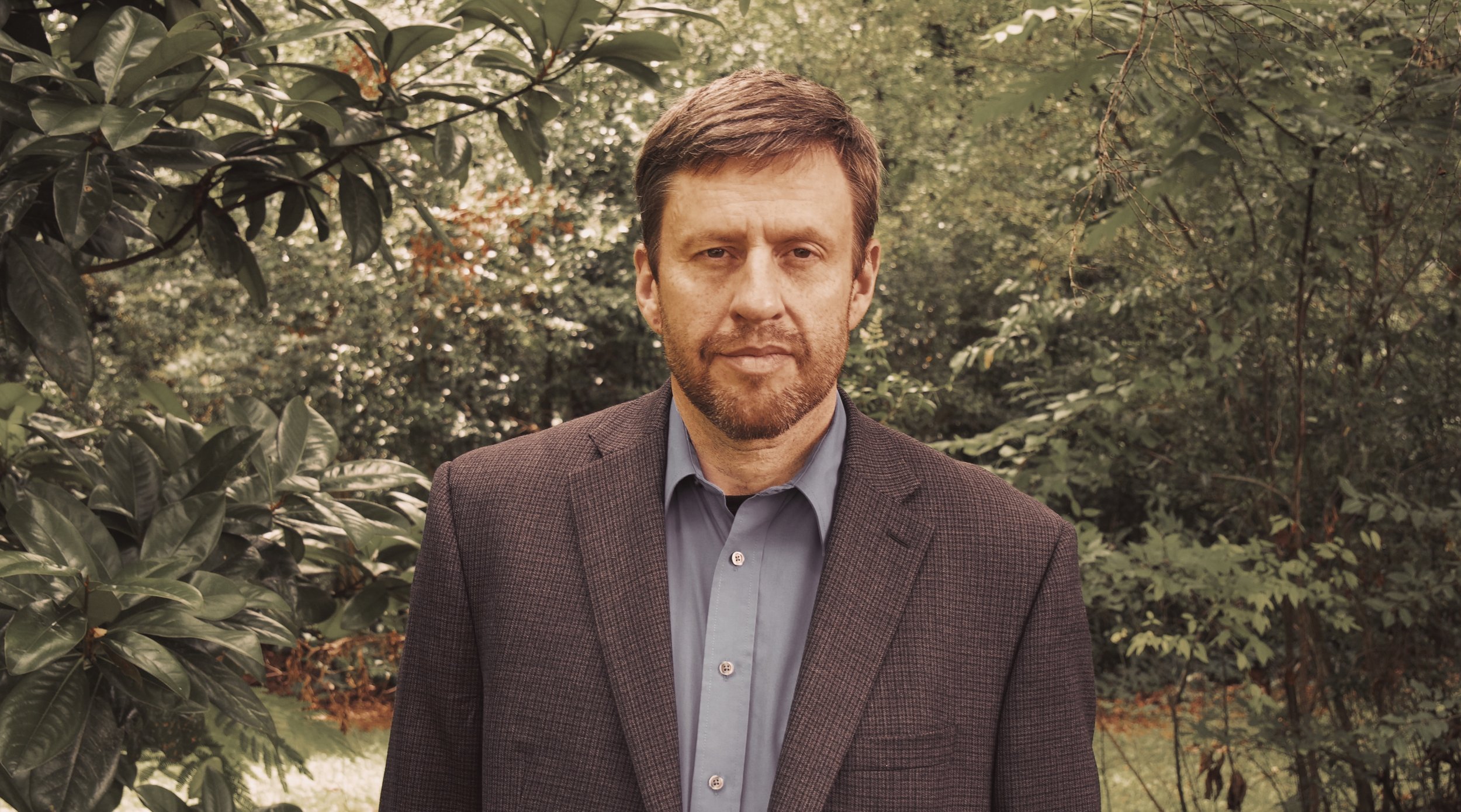
ARTICLES BY DEWAYNE
Christian Articles With A Purpose For Truth.
LOVING JESUS
We are to love Jesus Christ. How could we not? He loved us first. “We love Him because He loved us first” (1 John 4:19).
Nothing motivates like the love of Jesus Christ. Nothing can change your world like Jesus. When you realize that He is reaching His hand out to you so that you will take hold and let Him guide you and love you, your life will never be the same.
The love of Christ compels us to do things a certain way. “For Christ’s love compels us, because we are convinced that all died, because He died for all. And He died for all, that those who live should no longer live for themselves but for Him who died for them and was raised to life again” (2 Cor. 5:14-15).
He died for us so that we would live for Him. That is the only fitting response to what Jesus has done for us—to present our bodies to Him as living sacrifices in view of how merciful He has been (Rom. 12:1). The only fitting response to the love of Jesus is to live for Him.
By focusing on how much Christ loves you, you will love Christ back. That is the way to grow in our love for Him. The wonderful love of Jesus needs to occupy your mind. You need to meditate on it and think about what it means. Think about how He knows you by name. You existed in His mind before He created you. He knows all about you and loves you. No one will ever love you like Jesus. Don’t ever forget that.
Sometimes we ask, how can I love God more? And the answer is to stop focusing on your love for God and focus on God’s love for you. By being reminded of how much God loves you, you will love God. And your love will grow.
The love of God causes things to change in our minds and in our hearts. Love for God leads us to do things that we would never have done before. To do good and to do right.
And loving Jesus is the key to loving others. Realizing how much you are loved by Christ will make your love for Him grow, and it will also make your love for other people grow.
Knowing how much people mean to Jesus will cause them to mean more to you. We are human, we are in the flesh. We have problems. And we don’t always love the way we should. We don’t always think the way we should. But we can change. The love of Christ can change us. All things can be new in Him (2 Cor. 5:17).
“In this is love, not that we loved God, but that He loved us and sent His Son to be the atoning sacrifice for our sins. Beloved, if God so loved us, we also ought to love one another” (1 John 4:10-11).
The death of Christ proves His love for us. He thought enough of you to die for your sins. He thought enough of you to go to the Cross so that you could go to heaven and spend eternity with Him. Don’t ever doubt how much you mean to Him.
When you wonder whether or not God loves you, think about the Cross. When you wonder whether or not God really cares about this world and the people in it, think about the Cross. It is the death of Christ that proves His love. And since He loves us so much, we should turn around and love others in His name.
Embrace the love of God and be excited that God loves you. Because He does. He always has and He always will.
Bryan Dewayne Dunaway
PRAY EVERY DAY
Paul wrote in 1 Thessalonians 5:17 that we are to “pray without ceasing.” That short verse holds more power than most believers ever realize. It is not just a suggestion—it’s a divine command. And since Paul was writing under the inspiration of the Holy Spirit, that means this command didn’t originate with him. Prayer was God’s idea from the very beginning. When you and I bow our heads, whisper His name, or even sigh in His presence, we are responding to His invitation to commune with Him.
There are days when prayer feels natural and easy—when your heart is full and your words seem to flow like a river. But there are other days when prayer feels heavy, when you wonder if God is even listening. In those moments, remember this truth: the same God who told you to pray is the God who promised to hear. He is not ignoring you. He is not tired of your voice. He told you to pray because He longs for fellowship with you. The command to pray is proof of His desire to listen.
In Philippians 4:6–7, Paul gives us another window into the heart of God. He writes, “Be anxious for nothing, but in everything by prayer and supplication, with thanksgiving, let your requests be made known unto God.” Then he adds, “And the peace of God, which passes all understanding, shall keep your hearts and minds through Christ Jesus.” Notice the contrast—anxiety or prayer. Those are your two options. When the heart is weighed down, when the mind is spinning, when life feels unstable, the believer is not left without direction. God says, Don’t carry it—pray it.
There is always something to worry about in this fallen world. That is why we must always have something to pray about. If your life feels anxious, overwhelmed, or uncertain, that is simply your invitation to step back into prayer. Worry is the world’s reflex; prayer is the Christian’s response. Every concern you have is an opportunity to turn your attention heavenward and say, “Father, You know. Father, You see. Father, I trust You.”
Maintaining a constant state of communion with God is vital to the Christian life. The Bible feeds your mind with truth, but prayer keeps your heart alive to God’s presence. You can’t grow spiritually without the Word, and you can’t stay strong without prayer. They are like two wings on the same bird—both necessary if you want to soar. You can study every doctrine, know every verse, and still wither spiritually if you neglect the quiet practice of daily prayer.
The most important thing you can do as a Christian every single day is pray. Before you step into your work, your ministry, or your plans, make sure you have stepped first into the secret place of communion with your Heavenly Father. You cannot do God’s work in your own strength. You cannot represent Him well if you have not first rested in His presence. It is in prayer that you receive wisdom for the day, courage for the task, and peace for the storm.
Sometimes prayer looks like deep intercession, where you pour out your heart with tears. Sometimes it looks like silent meditation—just sitting before the Lord, thinking about His goodness and letting His presence quiet your soul. Sometimes it’s just whispering His name in the middle of the day when life gets noisy. All of it counts. All of it matters. Prayer is not about performance—it’s about presence. It’s about walking with God moment by moment.
So, before you try to do something for God, make sure you have been with God. Before you plan, preach, serve, or lead, spend time simply loving Him, listening to Him, and resting in His care. That is the secret of spiritual strength. Prayer is not the least you can do—it is the most powerful thing you can do.
The strength of your Christian life will never rise higher than your prayer life. The power of your ministry will never go deeper than your time alone with God. The peace you long for is not found in solving every problem—it’s found in surrendering every problem through prayer.
So, my friend, pray every day. Pray when the sun rises and when it sets. Pray when your heart is full and when it’s breaking. Pray when you feel strong and when you can barely stand. The Lord is listening. The Lord is near. And the more you pray, the more you’ll find that He was there all along—waiting, ready, and eager to meet with you.
Pray without ceasing.
Bryan Dewayne Dunaway
JESUS OUR SHEPHERD
There is no picture dearer to the believer’s heart than that of Jesus as our Shepherd. The Bible says that He calls His sheep by name and leads them out, and they follow because they know His voice (John 10:3-4). This is no distant ruler or careless guardian. This is a Shepherd whose hands still bear the marks of love. When He said, “I am the good Shepherd. The good Shepherd lays down His life for the sheep,” He was telling us that His rule is not of iron but of grace, and His crown is love itself (John 10:11).
What a Shepherd He is! The flock may wander, yet His eyes never lose sight of even one trembling lamb. He does not drive with harshness but leads with gentleness. He knows every hill and hollow of our hearts, every thorn that wounds us, every fear that makes us tremble. There is a tenderness in His care that quiets the soul. When we stumble, His rod corrects us, not to break, but to bring us home. When danger draws near, His staff stretches out, strong and sure, to pull us from the edge of ruin.
“The Lord is my Shepherd. I shall not want. He makes me lie down in green pastures. He leads me beside still waters” (Ps. 23:1-2). What pasture could be greener than His presence? What waters could be stiller than His peace? When life’s noise grows loud and its path uncertain, the Good Shepherd speaks a word, and the heart grows calm. The soul that follows Him finds rest, not only from sin, but from the striving that exhausts so many.
Even when the shadows lengthen and death’s valley stretches before us, He remains near. The Bible says His rod and His staff comfort us (Ps. 23:4). There is no darkness where His light cannot shine and no valley so deep that His voice cannot reach. The Shepherd walks before us into every storm. We do not face the night alone.
Yet this Shepherd does more than guard. He gathers. The Bible says that He has other sheep not of this fold, and that He will bring them also, so there will be one flock and one Shepherd (John 10:16). His love stretches across all boundaries, calling every heart that will hear. He gathers the scattered and the wounded, the forgotten and the fearful. Isaiah spoke of Him long ago, saying, “He tends His flock like a shepherd. He gathers the lambs in His arms and carries them close to His heart” (Isa. 40:11). What a picture of the Savior’s heart — strong enough to hold the world, gentle enough to cradle the weakest child of grace.
Every soul He calls finds its true home in union with Him. The Bible says we are members of His body, of His flesh and of His bones (Eph. 5:30). The Shepherd does not merely guide from afar. He lives within His people by His Spirit. His life becomes their life, His peace their peace, His joy their strength. To live in union with Christ is to walk the fields of divine fellowship where the soul drinks daily from the living fountains of His grace.
And what safety there is in His keeping! The Bible says no one can snatch His sheep from His hand (John 10:28). The enemy may roar, but he cannot break the Shepherd’s grip. The storms may rage, but the flock remains safe beneath the shadow of His care. Every promise of God stands as a fence around those He loves.
Look to the end of all things, and you will still find Him Shepherding. Revelation gives us this vision: “The Lamb at the center of the throne will be their Shepherd. He will lead them to springs of living water, and God will wipe away every tear from their eyes” (Rev. 7:17). The Shepherd who once led through green pastures will then lead through golden streets. The hand that once reached into our valleys will wipe the last tear from our eyes.
What joy to know that from the first step of faith to the final gate of glory, Jesus is the same faithful Shepherd. He leads, He feeds, He keeps. The Bible says that goodness and mercy will follow us all the days of our life, and we will dwell in the house of the Lord forever (Ps. 23:6).
Let the heart rest in that love today. Follow His voice in trust. Lean upon His care in peace. For the Shepherd who gave His life for His sheep still walks among us, guiding every step, guarding every soul, and gathering His flock into the fold of everlasting joy.
Bryan Dewayne Dunaway
CHRIST OUR TRUTH
Truth is the lifeblood of the soul that walks with God. The Bible says that from the very beginning the serpent deceived mankind through lies, and from that dark hour until now, the enemy of our souls has never ceased whispering falsehoods. He has filled the air with shadows and half-truths that look bright for a moment but end in despair. His words sound sweet to the ear, yet they poison the heart. The Bible says he was a liar from the beginning, and there is no truth in him. When he speaks, he speaks his native language of deception, for he is the father of lies (Jn. 8:44).
How terrible that the whole world lies under his power, tangled in a web of lies so subtle that men often call them truth. He deceives the nations, blinds the eyes of the unbelieving, and leads souls away from the simplicity that is in Christ. He will dress a lie in religious garments, mix it with fragments of Scripture, and make it sound holy to those who do not know the Shepherd’s voice. The Word of God warns that even Satan disguises himself as an angel of light (2 Cor. 11:14).
Yet how bright the contrast stands when Christ enters the scene. The Lord Jesus did not merely come to teach truth. He came to be the truth. He said, “I am the Way, the Truth, and the Life. No one comes to the Father except through Me” (Jn. 14:6). Truth, therefore, is not a theory but a Person. It is not a doctrine floating in the clouds, but a Man nailed to a cross and risen in power. When the Bible says, “You shall know the truth, and the truth shall make you free,” it means that knowing Christ—not merely hearing of Him, but embracing Him with living faith—brings liberty from the chains of sin (Jn. 8:32).
The truth is not cold logic, it is living fire. It burns away the lies that bind us. It pierces the darkness that hides in the corners of our hearts. It breaks the locks of the prison house and calls the captive into the sunlight of grace. The Bible says that whoever commits sin is a servant of sin, but if the Son makes you free, you are free indeed (Jn. 8:34–36). What glorious freedom this is! Freedom not merely to do as we please, but to please Him who died for us.
The devil’s lies tell us that sin is sweet, that disobedience brings pleasure, and that God’s commands are heavy. But truth tells us that holiness is happiness, that obedience is liberty, and that love is the fulfilling of all things. The truth shows us that the cross is not a chain but a key. It opens the prison of self and sets the heart free to love God.
Christ is the eternal Truth of God made flesh. His words are the Father’s revelation. His life is the living interpretation of the will of Heaven. He came not to argue but to reveal, not to confuse but to cleanse. He is the unclouded mirror of divine holiness, and in Him we see the beauty of God’s heart. When the world says, “There is no truth,” the Christian can answer, “There is Christ.”
Oh, dear brethren, the Bible says that God cannot lie (Titus 1:2). His promises stand like mountains that cannot be moved. Every word He has spoken is “yes” and “amen” in His Son (2 Cor. 1:20). His truth is not fragile like man’s philosophy. It is not swayed by time or tide. It is the same yesterday, today, and forever (Heb. 13:8). When the devil says you are forsaken, the truth says you are chosen. When your heart says you are condemned, the truth says there is no condemnation to those who are in Christ Jesus (Rom. 8:1).
The Word of God tells us to fasten ourselves with the belt of truth (Eph. 6:14). A soldier without his belt is unprepared, unsteady, and exposed. So the Christian without truth is weak before temptation. The belt holds all the armor together. Truth binds the heart in loyalty to God. Without it, faith becomes imagination, love becomes emotion, and worship becomes noise. But with truth fastened about the soul, every step is steady, every prayer is strong, every battle is winnable.
To love the truth is to love Christ. To reject the truth is to reject Him. The Bible says that those who perish do so because they did not receive the love of the truth that they might be saved (2 Thes. 2:10). Love for truth is not mere agreement with facts. It is a heart devotion to the One who is truth Himself. It is the yearning of the soul that says, “Lord, let me walk in Your light, even if it exposes my darkness. Let me know Your truth, even if it breaks my pride.”
When a man clings to Christ, he clings to truth. When he walks away from Christ, he walks into delusion. The Bible says that men who reject God are given over to strong delusion, to believe a lie (2 Thes. 2:11). The devil will give them religion without repentance, worship without holiness, and faith without fruit. But the truth exposes all that glitters falsely. The truth teaches us that we are saved by grace through faith, and that faith must be living, working, and loving.
To know truth is to live in light. To live in light is to walk with God. The Bible says that if we walk in the light as He is in the light, we have fellowship with one another, and the blood of Jesus cleanses us from all sin (1 Jn. 1:7). This light is not harsh or condemning. It is warm and healing. It fills the soul with peace. It gives rest to the weary conscience and comfort to the trembling heart.
When the Word of God tells us that His gospel is His power unto salvation for all who believe (Rom. 1:16), it reminds us that truth is not powerless ink on ancient parchment. It is living power breathed by the Spirit. It has the strength to shatter chains, the authority to drive out fear, and the grace to build a life on unshakable hope.
The fellowship of the redeemed rests on this truth. It is not built upon the wisdom of men but upon the revelation of God. The church is the pillar and ground of the truth (1 Tim. 3:15). When we gather to worship, we are not merely singing songs or reciting creeds. We are standing as witnesses in a deceived world, declaring that God is true and every man a liar. The redeemed stand on solid rock, while the world builds on shifting sand.
O that we would prize the truth as a treasure beyond all gold. Truth is the armor of the mind, the fortress of faith, the melody of worship, and the foundation of love. When the lies of the enemy come against you—when he tells you that you are too broken, too sinful, too far gone—remember Jesus says, “Whoever comes to Me, I will never cast out” (Jn. 6:37). That is the voice of truth speaking life over death.
Cling to truth as a drowning man clings to the hand of his rescuer. Bind it upon your heart. Let it shape your thoughts, your words, your choices. The just shall live by faith (Hab. 2:4). Faith in what? Faith in the truth of God’s Word, faith in the finished work of Christ, faith in the promise that cannot fail.
To live by truth is to live in victory. This is the victory that overcomes the world, even our faith (1 Jn. 5:4). The world conquers by deceit, but faith conquers by truth. The child of God overcomes because he believes what God has spoken. He refuses to bow to the whispers of the enemy. He walks in light though surrounded by darkness. He believes that God’s Word is truer than his feelings and stronger than his fears.
So, beloved, let us love the truth, live the truth, and speak the truth. Let our homes be filled with it. Let our hearts be guided by it. Let our prayers be shaped through it. For the Bible says, “Your word is truth” (Jn. 17:17). And Christ is that Word made flesh.
The one who abides in Him will never walk in darkness, but will have the light of life (Jn. 8:12). Let that light shine through us until every shadow of deceit is gone, until every chain of sin is broken, and until we stand in the glorious liberty of the children of God.
Bryan Dewayne Dunaway
CALVINISM: “PERSEVERANCE OF THE SAINTS”
We come now to the final flower of Calvinism’s celebrated TULIP — that doctrine known as The Perseverance of the Saints—or, as it is commonly known, “Once Saved, Always Saved.”
I do not take up this matter to win an argument or to triumph over brethren, but to plead for the simplicity that is in Christ. Many precious souls have been led astray by a teaching that cloaks itself in the robe of grace, yet quietly removes from the believer the very responsibility that grace empowers. My heart yearns not to conquer my Calvinist brothers and sisters but to call them back to the tender voice of the Shepherd who said, “Abide in Me.”
I love my Calvinist brethren. Their zeal for the glory of God and their reverence for divine sovereignty are not to be despised. But oh, how I wish they would cease teaching this system that so often hides the living Christ behind the walls of a theory. The Bible says that the truth makes men free, not fatalistic (John 8:32).
They tell us that if God chooses and regenerates a soul, then that soul can never finally fall away. They quote the words of the apostle, “He who began a good work in you will bring it to completion” (Phil. 1:6), as if that one verse settled all questions. But my beloved friend, the Word of God never permits us to rest one promise upon the ruins of a thousand warnings.
Paul’s blessed assurance in Philippians was not a guarantee to the careless. It was a promise to those who were laboring side by side in the gospel, striving together in the faith, and standing firm under persecution (Phil. 1:27–30). The same letter that tells us God will finish His work also tells us to “work out our own salvation with fear and trembling” because it is God who works in us to will and to do His good pleasure (Phil. 2:12–13). The promise and the command are woven together like threads of gold and scarlet — grace and obedience in holy harmony. What would be the need for Paul to speak of “fear and trembling” to believers if Calvinism was true?
The Word of God says that He preserves the way of the righteous and upholds the soul that trusts and repents, yet it also warns that unbelief can harden the heart until it departs from the living God (Heb. 3:12–14). The same Lord who promises to keep us calls us to watch and pray lest we enter into temptation (Matt. 26:41). The keeping of God is not a mechanical lock upon the heart but the living touch of grace upon a heart that abides in Him.
If the promises of perseverance were unconditional in the way Calvinism teaches, then the Bible’s warnings would be little more than divine dramatics—stern words without substance. But the Holy Spirit does not play with human souls. When He warns, He means it. The Bible says, “If we endure, we shall also reign with Him. If we deny Him, He also will deny us” (2 Tim 2:12). Choices matter. Faith matters. The keeping of God is real, but it never abolishes the call to abide.
How gracious and solemn these words become when we remember the tragedy of those who once walked with Christ and later turned back. Judas kissed the very face of grace and went into the night. Demas loved the present world and forsook his calling (2 Tim. 4:10). The Galatians began in the Spirit and were in danger of falling from grace (Gal. 5:4). These examples are written not to torment us but to keep us sober and watchful.
O beloved, the Bible never teaches that salvation is a cold decree that cannot be undone, but a living union that must be cherished. Christ is not a contract but a covenant. He is not a doctrine to be signed but a life to be lived. The believer’s safety is not in a theory of perseverance but in the Person of Jesus Christ Himself.
When Paul writes that God will complete the work He began, he is not describing a machinery of grace that runs without the heart of man. He is describing a Father who disciplines, a Shepherd who leads, and a Savior who intercedes. The same hand that began the good work holds the rod that corrects and the staff that guides. Those who walk humbly beneath His care will find His promise faithful and true. But those who turn from His voice will find that even divine calling does not overrule the freedom of a hardened heart.
The Word of God says, “We have become partakers of Christ if we hold the beginning of our confidence steadfast to the end” (Heb. 3:14). The little word “if” stands like a watchman at the gate of grace, reminding every believer that abiding faith is the pathway of perseverance. Grace does not excuse neglect. It empowers endurance.
There is a holy balance here that Calvinism has lost. God’s promise to keep us is certain, but His keeping is found in the pathway of faith and obedience. When the soul strays, the Shepherd calls. When the heart resists, the Spirit grieves. When the will repents, mercy restores. The Bible says His mercies are new every morning and His compassions fail not (Lam. 3:22–23). But it also says, “Let him who thinks he stands take heed lest he fall” (1 Cor. 10:12).
Thus we see that perseverance is not a cold decree but a living relationship. The child of God is secure while he abides in the Father’s house, but if he wanders into the far country, famine awaits him. Yet even there the Father waits, watching the horizon for repentance.
The Calvinist tells us that if a man has been born again, his nature is changed so completely that it is impossible for him ever to fall away. “Once a child, always a child,” they say. “If regeneration is real, then falling from grace is unthinkable.” They often point to where the Bible says that those who believe have been born of God and made His children, not by the will of man but by the power of God (John 1:12–13).
We thank God for the reality of new birth. To be born again is no shallow change of behavior but the work of divine life within. It is the heart made new, the mind renewed, and the soul quickened from death unto life. The believer passes from darkness to light, from bondage to liberty, from self to Christ. This is a work so holy that only the Spirit of God can perform it.
Yet, my friend, the Bible never presents regeneration as a charm that removes human responsibility. The Word of God says that some who were enlightened and tasted the heavenly gift later turned away and fell into ruin (Heb. 6:4–6). Others, once full of joy at the word, fell away when persecution arose or when worldly cares choked the seed (Luke 8:13–14). These are not poetic fictions. They are solemn realities recorded to awaken fear and dependence upon grace.
We dare not build a theology that denies the plain witness of these warnings. The heart can be touched by grace, stirred by the Spirit, and yet later harden itself in pride. The rain may fall upon the soil, but if the soil is neglected it produces thorns instead of fruit. The Bible says, “Every branch in Me that does not bear fruit is taken away” (John 15:2).
Some will say, “Those who fall away were never truly regenerated.” Yet the writer to the Hebrews describes them as having tasted of the heavenly gift and shared in the Holy Spirit. Such language cannot be dismissed lightly. Experience and history confirm it. There are men who once burned bright in zeal, who once testified with power, who now walk no more with Christ. Were these men deceived in every spiritual experience they ever had? Or did they neglect the flame of life until it was quenched?
John writes that some who walked among the believers later went out from them and by their departure revealed that they had not continued in the fellowship of truth (1 John 2:19). Yet notice the pastoral heart in his words. He does not use this fact to excuse coldness or to defend a theory. He writes to warn, to stir vigilance, and to remind the saints that the mark of true life is ongoing faith and love. The Word of God says, “Whoever abides in Him does not continue in sin” (1 John 3:6).
The lesson is clear. A new nature must be nourished. A fire must be tended. A branch must remain in the vine. To say that regeneration makes falling impossible is to contradict the very purpose of regeneration, which is to produce living communion. The new heart must be guarded with all diligence. The Spirit-filled life must be cultivated with prayer and obedience. The Bible says, “Keep yourselves in the love of God, looking for the mercy of our Lord Jesus Christ unto eternal life” (Jude 21).
Healing can be neglected. A new life can be smothered. The seed of divine grace can be choked by worldly cares. These are not failures of God’s power but tragedies of human refusal. The Bible never teaches that grace is irresistible. It teaches that grace is precious and must be received and obeyed.
The Lord Jesus said that many are called but few are chosen (Matt. 22:14). His call is gracious, His drawing is powerful, but His invitation must be answered in faith. The Bible says, “If you continue in My word, then you are truly My disciples” (John 8:31). The call of God awakens the heart, but the response of faith keeps the heart alive. The Spirit’s drawing is real, but so too is the possibility of resisting Him. Stephen rebuked those who resisted the Holy Spirit, proving that grace can indeed be refused (Acts 7:51).
How blessed it is to know that God’s power is not mechanical but relational. He does not drag men into heaven against their will. He invites them by love and truth. The Word of God says that He works in us both to will and to do His good pleasure (Phil. 2:13). He enables us, not replaces us. Grace does not cancel obedience—it makes obedience possible.
The apostles speak not of passive preservation but of active perseverance. They urge believers to pursue holiness without which no one shall see the Lord (Heb. 12:14). They call us to lay aside every weight and run with endurance the race set before us (Heb. 12:1). They warn us to guard against drifting away (Heb. 2:1). Such language has no place in a system that turns perseverance into inevitability.
O how this truth humbles the soul. God’s keeping is certain, yet it is a keeping of the humble, the dependent, the watchful. The proud man who presumes upon grace invites chastisement. The believer who clings to Christ with daily repentance and prayer will find himself upheld by divine strength. The Bible says, “Those who wait upon the Lord shall renew their strength” (Isa. 40:31).
Regeneration is a beginning, not an ending. The new birth is the opening of the door, not the finishing of the journey. The Spirit gives life, but we must walk in the Spirit, sow to the Spirit, and bear the fruit of the Spirit. “If we live in the Spirit, let us also walk in the Spirit” (Gal 5:25).
If grace were truly irresistible and perseverance inevitable, then exhortations, tears, warnings, and prayers would all be vain. Why would Paul weep over the Galatians? Why would he fear that after preaching to others he himself might be disqualified (1 Cor. 9:27)? Why would the Lord warn His disciples to watch and pray? The presence of these warnings shows that perseverance, though promised, is also a holy duty.
God’s grace is mighty enough to keep the weakest believer, yet that grace calls for response. It is not the iron chain of a decree but the golden cord of love drawing the soul onward. As we abide, He abides with us. As we trust, He strengthens us. As we yield, He works within us both to will and to do.
Let us therefore rejoice that regeneration is real and powerful, yet let us tremble lest we neglect so great a salvation. “Work while it is day, for the night comes when no man can work” (John 9:4). True grace humbles, warns, restores, and keeps. False assurance makes proud, deafens the conscience, and silences repentance.
Dear Christian, do not rest in a doctrine when you may rest in a Savior. Do not cling to a theory when you may cling to the living Christ. Regeneration is not an argument to win but a life to live — a life hidden with Christ in God.
Bryan Dewayne Dunaway
THE JOURNEY OF FAITH: WALKING AND RUNNING
The Christian life is often pictured as a journey—a steady walk and a determined race. The Word of God calls us to “walk worthy of the calling with which you were called,” meaning our steps each day should reflect the grace that found us (Eph. 4:1). To walk with Christ is to move in rhythm with His will, one step at a time, trusting His direction when the road feels long or uncertain. The believer’s walk is not hurried, but it is holy. Not perfect, but persevering.
Yet, there are moments when walking is not enough. The New Testament also calls us to run—to press forward with endurance toward the goal. Paul wrote that he had “fought the good fight” and “finished the race” (2 Tim. 4:7). The Christian race is not a sprint of emotion but a marathon of devotion. It is fueled not by self-effort but by the strength of the Spirit who renews us when we grow weary.
We are told to “run with endurance the race that is set before us, keeping our eyes on Jesus, the author and finisher of our faith” (Heb. 12:1–2). The beginning of the race may be marked by excitement and zeal, but what matters most is how we finish. Many start well but faint along the way. Others stumble early yet rise again through grace to cross the finish line with joy.
So today, keep walking faithfully and running boldly. When the path feels steep and the course seems long, remember—Christ ran before you, and He waits at the finish with a crown of righteousness and the words every runner longs to hear: “Well done, good and faithful servant.”
Bryan Dewayne Dunaway
HE SEEKS OUR GOOD
The God of the Bible seeks our good. Every movement of His heart, every act of His hand, every command He gives is born out of love and designed for our blessing. “And now, Israel,” Moses said, “what does the Lord your God require of you but to fear the Lord your God, to walk in all His ways, to love Him, to serve Him with all your heart and with all your soul, and to keep His commandments and statutes which I command you today for your good” (Deuteronomy 10:12–13).
Did you hear that? For your good. God’s will is not a burden laid upon the shoulders of His people. It is the pathway to rest, peace, and fullness. When God asks for obedience, it is not because He craves power but because He desires our freedom. His commands are not the bars of a prison but the walls of a fortress keeping us safe from harm. Every word He speaks is a word of life, and every law He gives is love in disguise.
From the very beginning, this has been the heart of God—to do good to His people. Even in discipline, His hand works mercy. “The Lord disciplines those He loves, as a father disciplines the son in whom he delights” (Proverbs 3:12). When God corrects us, it is not to wound us, but to heal us. Not to destroy us, but to make us whole. His chastening is the pruning of the vine so that the branch might bear more fruit (John 15:2).
The whole Bible is a revelation of a God who delights to bless. He made the earth good, filled it with beauty, and placed man in it to enjoy communion with Himself. Even after humanity fell into sin, His first words were not of vengeance, but of promise. He spoke of the Seed who would crush the serpent’s head (Genesis 3:15). Redemption was not man’s idea, it was God’s. Before the world was formed, He had already designed the plan of salvation in Christ (Ephesians 1:4). He saw our need before we knew we were lost, and He prepared the remedy before the disease had even taken root.
Everything God does is for our good. Every blessing He gives is freely offered. And yet, how often we live as though His hand were closed. James wrote, “You do not have because you do not ask” (James 4:2). Heaven’s storehouse stands full, but the doors are opened only by prayer. Christ Himself said, “Ask and it will be given to you, seek and you will find, knock and the door will be opened to you. For everyone who asks receives, the one who seeks finds, and to the one who knocks the door will be opened” (Matthew 7:7–8).
What a promise that is! It is as though God has set before us a fountain of living water and said, “Drink freely.” The tragedy of the Christian life is not that God is unwilling to give, but that we are unwilling to come. Many believers live in spiritual poverty while the riches of heaven are within reach. How much grace is left unused because we have not asked for it!
Dear believer, your Father delights to give. He who did not withhold His own Son will not withhold anything else that is truly good for you (Romans 8:32). When you come to Him, come as a child to a loving parent. The blessings of heaven are not earned—they are inherited through Christ. The secret is simple: draw near to Him, ask in faith, and rest in His goodness.
From eternity past, the plan of redemption was in the mind of God. Paul calls it “the mystery hidden for ages, now revealed through Christ” (Ephesians 3:9–11). The whole system of salvation—every detail, every promise, every act of grace—came from the heart of God. We did not ask Him to send a Savior. He sent one because love compelled Him to act. The cross was not an accident in time but the eternal purpose of God unfolding in history.
No one gave God counsel in His plan. “Oh, the depth of the riches of the wisdom and knowledge of God!” Paul exclaimed. “How unsearchable are His judgments and His ways beyond tracing out! Who has known the mind of the Lord, or who has ever been His counselor? Who has ever given to God that He should repay them? For from Him and through Him and to Him are all things. To Him be the glory forever!” (Romans 11:33–36).
Think of that: the plan of salvation was conceived entirely in the mind of God. Every detail—Christ’s birth, His cross, His resurrection, His ascension—was written in the book of divine purpose long before the world began. And every part of it was for our good. He chose us, called us, redeemed us, and sealed us—all out of His mercy, all because He desired our good.
God’s goodness does not fluctuate with our failures. He is rich in mercy and great in love (Ephesians 2:4). His compassion does not expire when we fall. His mercy is renewed every morning (Lamentations 3:22–23). Though we stumble, He remains faithful. His love endures forever (Psalm 136:1–5).
At one time, we were enemies of God, wandering far from His presence, chasing after our own ways. Yet even then, He loved us. He came looking for us as a shepherd searches for a lost sheep (Luke 15:4–7). He sought us not because we were worthy, but because He is gracious. He forgives our sins freely through the blood of His Son (Ephesians 1:7; Colossians 1:14). His pardon is not partial but complete. He casts our sins into the depths of the sea and remembers them no more (Micah 7:19).
This is the heart of God: He seeks our good even when we resist Him. His patience waits at the door. His kindness leads us to repentance (Romans 2:4). Every trial He allows, every blessing He bestows, every delay He permits, all are part of His design to draw us nearer to Himself.
Do you see the tenderness of His heart? When Israel wandered in the wilderness, God bore them “as a man carries his son” (Deuteronomy 1:31). When they thirsted, He brought water from the rock. When they hungered, He sent bread from heaven. And when they rebelled, He still guided them by cloud and by fire. His mercy was greater than their disobedience.
So it is with us. The Christian life is not a journey of perfect performance, but of continual dependence. God does not measure our progress by how strong we appear, but by how much we trust Him. His goal is not to make us self-sufficient, but Christ-sufficient. He will lead us through the valleys of weakness until we learn to rest in His strength.
When you doubt His goodness, look again to the cross. There you see the heart of God laid bare. The One who hung between heaven and earth did so for you. Every thorn, every wound, every drop of blood testifies: God seeks your good. He who spared not His own Son has given Himself completely for your eternal joy.
The soul that believes this truth finds rest. You can lay down your burdens and say, “Lord, You know what is best for me. I will trust You.” You can stop striving to earn His favor and begin living from the overflow of His love. The heart that trusts His goodness walks in peace, even when the path is dark.
When you know that God seeks your good, fear loses its grip. The believer who rests in God’s goodness becomes unshaken by life’s storms. The world may tremble, but the one hidden in God stands secure. “The Lord is good, a stronghold in the day of trouble. He knows those who take refuge in Him” (Nahum 1:7).
He knows you. He loves you. He is for you. Everything He does, every path He allows, every command He gives is meant for your good and His glory. The Potter shapes the clay not to destroy it, but to fashion it into something beautiful.
So trust Him. Lean your weary soul into His hands. Let His goodness be the pillow upon which you rest your head each night. He seeks your good more than you seek it yourself. And one day, when you stand before Him in glory, you will look back over every trial, every delay, every unanswered prayer and say with tears of joy, “He did all things well.”
Bryan Dewayne Dunaway
A LIFE IN CHRIST
Jesus Christ, risen and reigning, has entrusted His Church with a commission that extends to the ends of the earth. As the Lord Himself declared, “Go therefore and make disciples of all the nations, baptizing them in the name of the Father and of the Son and of the Holy Spirit” (Matthew 28:19). This was no mere suggestion—it was the heartbeat of God’s redemptive mission. The apostles were not sent merely to make converts, but disciples—those who would follow Christ in full surrender, obeying His words, and bearing His likeness.
To be a disciple is to commit one’s life wholly to Jesus, to deny self, take up the cross daily, and walk in His steps (Luke 9:23). It is not about words alone, or attending services, or agreeing with doctrinal statements. It is a living union with the Lord—He in us, and we in Him (John 15:4).
What It Means to Be a Christian
We are called Christians, a name first given in Antioch (Acts 11:26). But more than a title, it is a testimony. A Christian is one who has seen in Jesus Christ not only a Savior, but a Master, a Friend, and the Lord of all. “You call Me Teacher and Lord, and rightly so, for that is what I am” (John 13:13).
We do not follow Him for ease, comfort, or prosperity, but because we have beheld the Lamb of God, and our hearts have been captivated by His mercy.
Once, we were filthy in His sight, clothed in the garments of sin and death. “All our righteous acts are like filthy rags” (Isaiah 64:6), and we were dead in trespasses (Ephesians 2:1). But then, by grace, we looked upon Him in faith. “Look unto Me, and be saved, all the ends of the earth” (Isaiah 45:22).
And when we looked, He received us. He cleansed us. He made us new. “Therefore, if anyone is in Christ, he is a new creature; old things have passed away. Behold, all things have become new” (2 Corinthians 5:17).
Rejoicing in the Lord Always
In Philippians 4:4–8, Paul gives us a pattern for the Christian mindset: a life not ruled by circumstances, but by Christ. He writes: “Rejoice in the Lord always. Again, I will say, rejoice!”
Paul does not say to rejoice in everything that happens. Some things grieve us. Some things are unjust. But in every season, we can choose to rejoice in the Lord—because He does not change (Hebrews 13:8), and He is near (Philippians 4:5). His joy is not the result of earthly ease, but the fruit of abiding in Him (John 15:11).
“The joy of the Lord is your strength” (Nehemiah 8:10). This joy—the joy of Christ Himself—is what marks the true believer. It is joy that flows from knowing Him, loving Him, and being kept by Him.
Do Not Be Anxious—Pray
The apostle then exhorts: “Be anxious for nothing, but in everything by prayer and supplication, with thanksgiving, let your requests be made known to God” (Philippians 4:6).
Worry is natural to the flesh, but we have not been called to live by the flesh. Every anxious thought is a divine opportunity to turn to God in prayer. Not just occasional prayer, but a life of unceasing communion with the Father (1 Thessalonians 5:17). God wants to hear from His children. He commands us to come. “Cast all your anxiety on Him because He cares for you” (1 Peter 5:7).
And this prayer must be filled with thanksgiving—not merely asking, but trusting, remembering, and thanking God for who He is and what He has done.
Peace That Passes Understanding
As we pray, something amazing happens: “The peace of God, which surpasses all understanding, will guard your hearts and minds through Christ Jesus” (Philippians 4:7).
This peace is not of the world. It is from above (James 3:17). It is not the absence of problems but the presence of Christ. It is the very peace that ruled His heart in the storm, that kept Him silent before His accusers. And now it is given to those who walk with Him.
“My peace I give to you…let not your heart be troubled, neither let it be afraid” (John 14:27). This peace becomes our guard. It stands sentinel over our thoughts and emotions, keeping us grounded in Christ Jesus.
Set Your Mind on These Things
Paul ends this thought with a call to holy meditation: “Whatever things are true…noble…just…pure…lovely…of good report…meditate on these things” (Philippians 4:8).
The battleground of the Christian life is the mind. What we allow to fill our thoughts will soon rule our lives (Proverbs 4:23). God calls us to fix our minds not on the passing, polluted things of this world, but on that which is eternal, lovely, and Christ-centered.
We are called to see the world differently, not through the lens of fear or selfish ambition, but through the eyes of Christ. To walk in the Spirit, to love as He loves, to serve as He served. This is the life that brings joy, peace, and purpose.
Christ—The Center of All
In the end, it is all about Jesus. “For to me, to live is Christ, and to die is gain” (Philippians 1:21).
We do what He has called us to do. We love as He has called us to love. We fix our eyes on Him and run the race marked out for us (Hebrews 12:1–2). Christ is the center, the source, and the goal.
Let us live as disciples—true disciples—who abide in Him, rejoice in Him, pray to Him, and walk in His peace.
“He is sufficient.”
“Christ is all, and in all” (Colossians 3:11).
Bryan Dewayne Dunaway
THE RAPTURE
There Is No “Secret Rapture”: A Biblical Look at the Lord’s Coming
Beloved, let us reason together in the Word of God about this teaching so often repeated in modern times—the idea of a secret rapture, where believers quietly vanish before the world enters tribulation. The Bible does not teach such a thing. The Word of God knows nothing of a hidden return or a private gathering of saints before the end. The Lord’s coming is glorious, public, and unmistakable.
Paul declares, “The Lord Himself will descend from heaven with a shout, with the voice of an archangel, and with the trumpet of God; the dead in Christ will rise first; then we who are alive and remain shall be caught up together with them in the clouds to meet the Lord in the air” (1 Thess. 4:16–17). Nothing secret hides in that passage. The shout, the voice, the trumpet—these are heavenly announcements, not whispers in the dark.
Jesus said, “They will see the Son of Man coming on the clouds of heaven with power and great glory” (Matt. 24:30). When He spoke these words, He was foretelling the judgment upon Jerusalem—the great tribulation of that generation (Matt. 24:34). Those signs and sorrows were fulfilled when Rome destroyed the city in A.D. 70, just as the Lord had said. That was His coming in judgment, the sign that the Son of Man had taken His throne. But that fulfillment does not erase the greater promise still to come: His visible, final appearing when every eye shall see Him (Rev. 1:7).
The Scriptures reveal a pattern: Christ’s authority was established then, His kingdom now advances through His church, and His final return will consummate what He began. There is no hidden departure of the saints before that day. Rather, the faithful are called to endure, to stand firm, and to finish the race with perseverance. The early church looked not for escape but for endurance. Paul wrote, “I have fought the good fight, I have finished the race, I have kept the faith” (2 Tim. 4:7).
In that same spirit, he told the Corinthians, “In a moment, in the twinkling of an eye, at the last trumpet, the dead will be raised incorruptible, and we shall be changed” (1 Cor. 15:52). Notice “the last trumpet.” There are no two separate comings divided by years of earthly chaos. There is one climactic return, one resurrection, one eternal kingdom handed to the Father (1 Cor. 15:24).
When Christ returns, it will not be secret, nor partial, nor invisible. He will come as Judge and King. The apostle says, “When the Lord Jesus is revealed from heaven with His mighty angels in flaming fire, taking vengeance on those who do not know God and on those who do not obey the gospel” (2 Thess. 1:7–8). That revelation joins the reward of the righteous and the judgment of the wicked in one great event.
Even the familiar passage of “one taken and the other left” (Matt. 24:40–41) points not to a rapture but to judgment. As in the days of Noah, those taken were swept away in destruction, while those left were the ones who endured. Scripture consistently connects the appearing of Christ with both the resurrection and the final reckoning.
Dear friend, much of what Jesus foretold in Matthew 24 has already been accomplished—wars, persecutions, the fall of Jerusalem, and the ending of the old covenant order. Those prophecies confirmed His lordship and the faithfulness of His word. But the blessed hope of His people remains: the bodily resurrection and the final appearing of Christ in glory. That will not happen in secret. It will be the triumph of all creation’s story.
So we wait, not in fear of the future, but in confidence that Christ reigns now and will return when all things are complete. The church is not called to hide from tribulation, but to walk in victory through it. For the same Jesus who ascended in glory will return in like manner as He was seen going into heaven (Acts 1:11).
Therefore, beloved, be steadfast. Keep walking and running the race set before you (Heb. 12:1). Many start the race with excitement, but the reward belongs to those who finish with endurance. It’s not how you begin, it’s how you finish. Let faith hold steady, hope stay bright, and love remain strong.
When that trumpet sounds, it will not be a secret sound known only to a few, but the song of triumph heard across heaven and earth. The Lord Himself will descend, and the graves will yield their redeemed. Every nation will see, every tongue will confess, and every heart made righteous will rejoice.
No, dear friend, there will be no secret rapture (1 Thess. 4:16–17). There will be a glorious appearing (Titus 2:13). There will be a resurrection of the just and unjust (John 5:28–29; Acts 24:15). A renewal of all creation (Rom. 8:19–21). And a new heaven and a new earth where righteousness dwells (2 Pet. 3:13; Rev. 21:1).
That is our hope (Col. 1:27; 1 Pet. 1:3–4).
That is our finish line (2 Tim. 4:7–8).
And until that day dawns, let us keep running, keep believing, and keep proclaiming the victory of Christ our King.
Bryan Dewayne Dunaway
VESSELS OF GRACE AND TROPHIES OF MERCY
One of the most humbling and beautiful truths in the Christian life is that God chooses ordinary, broken people to be carriers of His extraordinary grace. We are not just called to receive His mercy but to become living, breathing displays of it. The Bible says that we have this treasure—God’s presence, His gospel, His power—in jars of clay so that it’s clear the strength comes from Him, not from us (2 Corinthians 4:7). That means every weakness, every cleft in the vessel of our lives, becomes another place where His grace shines through.
It’s not about how strong we are. It’s about how available we are. God isn’t looking for perfect people. He’s looking for surrendered ones. When Paul wrote to Timothy, he said that in a large house there are all kinds of vessels. Some are made of gold and silver, others of wood and clay. Some are used for special purposes, others for ordinary things. But if we cleanse ourselves from what is dishonorable, we will be made useful to the Master, ready for every good work (2 Timothy 2:20–21). That’s what we want—to be useful to the One who saved us. Not flashy. Not perfect. Just clean and ready.
But we’re not only vessels of grace—we’re trophies of mercy. A trophy is something you display to show what has already been won. It’s proof of victory. Paul said in Ephesians that even when we were spiritually dead, God made us alive with Christ. He raised us up and seated us with Christ in heavenly places, so that in the coming ages He could show the immeasurable riches of His grace in kindness toward us in Christ Jesus (Ephesians 2:5–7). That’s your life, if you belong to Jesus. You’re proof of what His mercy can do. You’re on display—not to draw attention to yourself but to draw attention to the One who rescued you.
That’s why you don’t need to carry shame around anymore. You don’t need to keep hiding your past or worrying about what other people think. The enemy wants to keep you quiet by reminding you of who you used to be. But God wants to use your life to tell the story of who He is. Paul said that Christ came into the world to save sinners, and he called himself the worst of them. But he said he received mercy so that Jesus could show unlimited patience through him as an example for others who would believe (1 Timothy 1:15–16). If God can do that with Paul, He can do it with you.
So today, walk like someone who’s been chosen, cleaned up, and filled with grace. Don’t shrink back from being used by God because of your past. Your story is now part of His story. You are His workmanship, created in Christ Jesus for good works that He already prepared for you to walk in (Ephesians 2:10). You don’t have to strive to be something you’re not. Just stay close to Jesus. Stay yielded. Keep your heart soft, your hands open, and your eyes on the One who took you from death to life.
And when you see someone else who is broken, don’t look down on them. Remember where you came from. Be quick to extend mercy, because you’ve received more than you could ever repay. The same grace that’s been poured into your life is meant to spill over into theirs. You’re not just a container of God’s grace. You’re a channel for it.
Let it flow.
Let. It. Flow.
Bryan Dewayne Dunaway
WHAT ABOUT TATTOOS?
Let’s go ahead and say it straight: No, it is not a sin to have a tattoo. What matters to God is not ink on your skin but the condition of your heart. This doesn’t mean we throw out wisdom or do whatever we want. But if you’re in Christ, you are under grace, not a list of religious rules meant to manage outward appearances. You belong to the Lord, and your identity is found in Him.
The one verse that usually gets pulled into this conversation is from Leviticus, where it says not to mark your body for the dead or tattoo yourselves (Leviticus 19:28). But that command was given to Israel in the Old Testament as part of a larger law that also includes not trimming your beard a certain way or wearing clothes made from two kinds of fabric. These commands were about separating Israel from pagan nations that used body markings as part of idolatrous worship. It wasn’t about modern tattoos and it wasn’t meant to carry into the new covenant.
Jesus fulfilled the Law perfectly. Believers are no longer under the old system but are called to walk in the freedom and holiness that comes through the Spirit (Romans 6:14, Galatians 5:1). That means the question isn’t, “Does God hate tattoos?” but “Does what I’m doing honor Him?” God looks at the heart. That’s what He told Samuel when He chose David. People look at the outside, but the Lord looks at the heart (1 Samuel 16:7).
In the New Testament, the focus is always on motives, not man-made traditions. Paul said that whether you eat or drink or whatever you do, do it all to the glory of God (1 Corinthians 10:31). So if you’re getting a tattoo to express your faith, remember a loved one, or mark something meaningful that honors the Lord, your freedom in Christ allows it. But if your motive is to rebel, show off, or draw attention to self, then it’s worth checking your heart.
What we wear, what we look like, and yes, even if we have tattoos—none of these make us clean or unclean before God. Jesus made that clear when He said it’s not what goes into the body that defiles us, but what comes out of the heart (Mark 7:15). A tattoo doesn’t make someone more or less holy. What matters is whether Christ lives in you. The fruit of the Spirit is not ink-free skin. It’s love, joy, peace, patience, kindness, goodness, faithfulness, gentleness, and self-control (Galatians 5:22–23).
So if you’re a believer and you have tattoos, you’re not second-class. And if you’re considering one, seek the Lord in prayer. Ask for wisdom. Ask yourself why you want it. And whatever you do, do it as someone who belongs to Jesus, bought with a price, and filled with the Spirit of God (1 Corinthians 6:19–20).
In the end, it’s not the markings on your skin that tell the world who you are. It’s the mark of Christ on your life.
Bryan Dewayne Dunaway
NO ONE KNOWS THE TIME: Living Ready, Not Predicting Dates
Jesus Christ is coming again. That is the blessed hope of the Church and the longing of every heart that loves Him. But one thing we must never forget—and never distort—is that no one knows when that day will come. Over and over again, Scripture warns us not to assume, not to guess, and definitely not to declare any specific time or season for His return. Jesus Himself said it plainly. No one knows the day or the hour—not the angels in heaven, not even the Son, but only the Father (Matthew 24:36).
That should settle it. And yet, history is filled with men and movements who have tried to pinpoint the timing of Christ’s return. They quote obscure prophecies, calculate timelines, and make bold claims that this year or that date must be the one. But Jesus already told us it would be like a thief in the night. Unexpected. Sudden. Without warning (Luke 12:39–40; 1 Thessalonians 5:2). And when people ignore those words and chase predictions, they don’t just get it wrong. They damage the witness of the gospel. Every failed prophecy tied to a date drags the name of Jesus through the mud and turns sincere seekers into hardened skeptics.
We are called to be ready, not to be right about a date. The early Church didn’t walk around with charts and countdowns. They lived with urgency and faithfulness because they believed the King could return at any moment. Jesus said to stay dressed for action and keep our lamps burning like servants waiting for their Master to come home (Luke 12:35–36). That’s the posture of the Christian life—alert, faithful, expectant—not distracted by speculation or obsessed with the headlines.
And let’s also be clear about what we’re waiting for. Our hope is not in a nation, a temple, or a return to Old Testament systems. Our hope is in Jesus Christ alone. Paul told the Ephesians that there is one hope to which we have been called (Ephesians 4:4), and that hope is the return of the Lord Jesus to make all things new. There’s a lot of talk these days about geopolitical events, about the rebuilding of the temple, and about restoring old covenants. But that’s not where the New Testament points us. Salvation is not about being born into the right family or keeping the right customs. Salvation is by grace through faith in Christ, whether you are Jew or Gentile (Romans 1:16).
To elevate national Israel above the gospel is to misunderstand the entire purpose of God’s redemptive plan. Christ fulfilled the Law. He tore down the dividing wall between Jew and Gentile and created one new people in Himself (Ephesians 2:14–16). There is not a different way for different groups. There’s one Savior and one way of salvation. If we understand that rightly, then we will look forward to His return, not to the return of a religious system that was only ever meant to point to Him.
So live today in humility and hope. Be awake. Be watching. Be faithful in what He has given you to do. Don’t waste time chasing predictions. Don’t get swept up in movements that promise secret knowledge or special timelines. Instead, fix your eyes on Jesus, the Author and Finisher of your faith (Hebrews 12:2). The King is coming. That’s certain. But the timing is not for us to know. What is for us to do is live like it could be today—because it could.
Bryan Dewayne Dunaway
JESUS PUT SIN BACK ON THE TREE
From the very beginning, God has always worked through trees. In the Garden of Eden, there stood “the tree of life in the midst of the garden, and the tree of the knowledge of good and evil” (Genesis 2:9). God gave Adam and Eve clear instruction: “Of every tree of the garden you may freely eat; but of the tree of the knowledge of good and evil, you shall not eat, for in the day you eat of it, you shall surely die” (Genesis 2:16–17).
But Adam didn’t listen. He reached out his hand and took what God had forbidden. When he did, he didn’t just take a bite of fruit—he took sin off the tree and brought it into himself. That one act of disobedience changed everything. “Just as sin entered the world through one man, and death through sin, so death spread to all men because all sinned” (Romans 5:12).
Adam’s decision transferred sin from the outside world to the inside of him. We have all proven that we are the “children of Adam” by doing exactly what he did in rebelling against God.
Jesus came to undo what Adam had done—to take the sin that man pulled down from the tree and nail it back where it belonged. Peter tells us, “He Himself bore our sins in His own body on the tree, that we, having died to sins, might live for righteousness—by whose stripes you were healed” (1 Peter 2:24).
What a powerful reversal! Adam took from the tree and brought death. Jesus gave Himself on the tree and brought life. The first Adam reached out in disobedience, but the second Adam stretched out His arms in obedience. Paul wrote, “For as by one man’s disobedience many were made sinners, so by one Man’s obedience many will be made righteous” (Romans 5:19).
Think about that: what started with a hand reaching up to a forbidden branch ended with hands stretched wide on a Roman cross. Adam reached for something that wasn’t his. Jesus let go of everything that was His. Adam took. Jesus gave.
Jesus didn’t just carry sin—He became sin for us. “God made Him who knew no sin to be sin for us, that we might become the righteousness of God in Him” (2 Corinthians 5:21). He bore the full weight of humanity’s rebellion and nailed it to that cross. That’s why Paul said, “Having forgiven you all trespasses, He has taken it out of the way, having nailed it to the cross” (Colossians 2:13–14).
When Jesus hung there, He wasn’t just dying—He was restoring. The curse that began with Adam was being broken. Paul wrote, “Christ has redeemed us from the curse of the law, having become a curse for us—for it is written, ‘Cursed is everyone who hangs on a tree’” (Galatians 3:13).
In the Garden, a tree brought death. On Calvary, a tree brought life. In Eden, man hid from God behind the trees. At the cross, God revealed Himself on one. The tree that once represented rebellion became the very instrument of redemption.
When Jesus finally said, “It is finished” (John 19:30), He wasn’t just talking about His suffering being over. He was declaring that sin’s power was broken, that everything Adam lost had been restored. The work was complete. The sin that was taken off the tree in Genesis was put back on the tree in the Gospels.
So what does that mean for you and me today? It means we don’t have to carry what Jesus already carried. The curse doesn’t belong to us anymore. The guilt, shame, and condemnation that Adam brought into the world were all lifted off our shoulders and nailed to that wooden cross.
Jesus put sin back on the tree so that you could walk in freedom beneath it. He didn’t just change your destiny—He changed your identity. Now, through faith in Him, you can eat freely from the tree of life again.
Revelation gives us a glimpse of that final restoration: “Blessed are those who wash their robes, that they may have the right to the tree of life, and may enter through the gates into the city” (Revelation 22:14).
From the garden to the cross, and from the cross to eternity, God’s story with trees comes full circle. The first tree brought sin into man, but the second tree took sin out of man. And the final tree—the tree of life—will stand forever as a symbol of what Jesus accomplished.
So today, live like someone redeemed. The fruit of sin no longer defines you. The tree of death has become the tree of life. Jesus put sin back on the tree—so you can live free.
Bryan Dewayne Dunaway
THE LORD, THE LAW, THE KINGDOM, AND THE PRESSING SOUL
“The law and the prophets were until John: since that time the kingdom of God is preached, and every man presses into it.” — Luke 16:16
There are some verses in the Bible that serve as a border crossing between two worlds. Luke 16:16 is one of them. In one breath, Jesus speaks of the Law and the Prophets—God’s word to Israel for centuries past—and in the next, He declares the beginning of something entirely new: the kingdom of God.
This is a dividing line in redemptive history. Jesus Himself draws the line. “The Law and the Prophets were until John.” That word “until” marks a termination. It is the divine full stop to the Old Covenant’s supremacy. The ministry of John the Baptizer was the final thunderclap before the dawning of the Sun of Righteousness (Mal. 4:2). John stood at the boundary between the shadow and the substance, between the promise and the fulfillment. His was a transitional voice — not proclaiming Moses, but preparing the way for the Messiah.
When Jesus says the Law and the Prophets were “until John,” He does not merely mean they were quoted up to his time — He means they governed the religious life of God’s people up to that point, and no further. With John’s voice crying in the wilderness, God signaled that a new age had come — the age of the gospel, the age of the kingdom.
Now, since that time, the kingdom of God is preached. What kingdom? Not some future political regime in earthly Jerusalem. Not a thousand-year throne awaiting installation. No — the kingdom now, the rule of heaven in the hearts of men, made possible by the blood of Christ and the indwelling of the Holy Spirit. Christ did not come to offer Israel a political deliverance; He came to reign in hearts, to cleanse consciences, to reconcile rebels to God. The King has come. The throne has been set. And the kingdom is not postponed — it is preached (Col. 1:13; Heb. 12:28).
And now hear this with trembling heart: “Every man presses into it.” The kingdom is not entered passively. Jesus is telling us that the door to His reign must be pressed into. This is no casual wandering in. The verb suggests effort, intensity, even violence — as Matthew records it, “the violent take it by force” (Matt. 11:12). What does this mean?
Here is where devotion meets doctrine. To press into the kingdom is not to earn it, but to long for it with holy desperation. It is to see the glory of the King, the worth of His reign, and to cast off every weight to enter in. It is to say, like Paul, “I count all things loss for the excellency of knowing Christ Jesus my Lord” (Phil. 3:8). This pressing is the soul’s thirst for righteousness, the heart’s cry for deliverance from sin, the mind’s hunger for truth.
This pressing isn’t just human effort or religious ambition — it is the quiet, powerful work of the Holy Spirit pulling the soul toward full surrender. It is God Himself stirring up a deep hunger, so that He might be the one to satisfy it. As Jesus said, “Those who hunger and thirst for righteousness will be filled” (Matt. 5:6). The one who truly enters the kingdom is the one whose heart longs for nothing more than Christ Himself. What a breathtaking truth — the King of glory is reigning even now, and He invites us to come under His rule today.
But dear soul, do you see how tragic it is that many have settled for a future kingdom when Jesus offers His presence today? Premillennialism, in its earthly focus, robs believers of their inheritance. It teaches them to look forward to what Scripture says is already theirs. It places the crown of Christ on a shelf to be dusted off later — while the apostles declared Him already crowned, reigning, and exalted (Acts 2:36; Heb. 1:3).
Let it be said plainly: if the kingdom is yet future, then Luke 16:16 is a riddle. But if the kingdom is now, if it is entered by faith and repentance, if the gospel is the call to enter the reign of grace — then we must preach it, press into it, and live under it.
Let your heart be stirred by this, not just your mind instructed.
Are you pressing in? The gospel is not an invitation to drift. It is a call to pursue, to press, to lay hold of eternal life (1 Tim. 6:12). The Spirit is calling you to come boldly to the throne of grace (Heb. 4:16). Will you answer?
Is Christ reigning in you? To enter the kingdom is to submit to the King. He does not reign where He is not obeyed. Examine your heart. Are there areas of resistance? Yield. Surrender. Let the King rule fully in every chamber of your soul.
Do you hunger for His rule? The joy of the kingdom is not in escape from the world, but in communion with the King. The law pointed to Him. The prophets longed for Him. Now He is yours. Do you cherish His nearness? Meditate on Psalm 45 — the King in His beauty.
Are you proclaiming His kingdom? If the kingdom is now, and the gospel is the announcement of its arrival, then evangelism is kingdom work. Don’t wait for a new age — we are in it. We preach the good news that Jesus reigns now, and sinners may be saved now.
In conclusion, Luke 16:16 stands as a blast of transition, a divine pivot in the history of redemption. The law and the prophets fulfilled their role. John marked the turning. Christ brought the kingdom. And now the door stands open. Every man must press into it — with faith, with repentance, with holy desire.
Let no man wait for another kingdom to come. It has come. Let no believer sit idle awaiting some earthly throne. The throne is in heaven. Let no preacher delay the gospel call. The kingdom is preached — now. Let us press in, and help others do the same.
Bryan Dewayne Dunaway
THE LOVE OF CHRIST AND THE PROBLEM OF GENDER DYSPHORIA
Let’s come before the Lord with quiet hearts, ready to hear His truth—not the noise of the world, but what He has said from the beginning.
The Bible tells us that “God created man in His own image…male and female He created them” (Genesis 1:27). This wasn’t random. God made us male or female on purpose. It’s part of how we reflect His image. Jesus confirmed this truth when He said, “From the beginning, God made them male and female” (Matthew 19:4). Our identity, including our gender, isn’t something we choose for ourselves—it’s something we receive from our loving Creator.
God made each one of us with care. The psalmist said, “You formed my inward parts…I am fearfully and wonderfully made” (Psalm 139:13–14). That means your body, your design, your identity—they were all crafted by God. Job said, “Your hands shaped me and made me” (Job 10:8). God doesn’t make mistakes. He forms each life with wisdom and love, including your biological sex.
In the Old Testament, God gave this instruction: “A woman must not wear men’s clothing, and a man must not wear women’s clothing” (Deuteronomy 22:5). Although that was given to the nation of Israel under the Law of Moses, there is a principle there that still applies. And it may sound old-fashioned today, but it shows us something important: God cares about the difference between male and female. He wants us to honor His design. And in the New Testament, Paul says that when we step outside of God’s order, we’re not walking in the life He wants (1 Corinthians 6:9–10).
But here’s the good news: Jesus didn’t come to condemn. He came to rescue. He came for the broken, the hurting, and the confused (Luke 5:31–32). He came full of grace and truth (John 1:14). So we don’t speak these things to judge anyone. We speak them because we love people and we know God’s way is best.
Every person matters to God. Every person is made in His image (Genesis 1:26). And every person can find a new identity in Jesus. “If anyone is in Christ, he is a new creation” (2 Corinthians 5:17). That means no matter your past, no matter your struggle, Jesus can make you new. “It is no longer I who live, but Christ lives in me” (Galatians 2:20). That’s where our real identity is found—not in feelings or labels, but in Christ.
So how do we respond in a world that’s so confused? We speak the truth, and we do it with love (Ephesians 4:15). We don’t water down God’s Word, but we also don’t forget the mercy He’s shown us. We hold both truth and love in our hands, just like Jesus did.
If you’re hurting or searching, come to Him. He won’t turn you away (John 6:37). His design is good, His love is real, and He’s ready to give you peace.
Lord, help us to speak Your truth with kindness, to love people like You do, and to trust Your design.
In Jesus’ name, Amen.
Bryan Dewayne Dunaway
JESUS: “YOU ARE MY FRIENDS”
Of all the ways that Christians are described in the New Testament, there is one title that stands apart in tenderness and intimacy. It is the title that Jesus Himself gave to those who walk with Him in love and obedience: “You are My friends” (John 15:14).
This statement comes near the end of Jesus’ earthly ministry, as He prepared His disciples for His departure. In John 15:13–16, the Lord speaks openly of His love, His sacrifice, and His purpose for their lives. He tells them that the greatest expression of love is laying down one’s life for his friends—and then He adds, “You are My friends if you do what I command.” No longer would they be called mere servants—because the servant doesn’t know his master’s business—but they would be called friends, because everything Jesus received from the Father, He had revealed to them.
Friendship With the Lord: A High Honor
To be called the Lord’s “friend” is no small thing. The term itself is one of the most meaningful in all human language. It suggests closeness, trust, love, and loyalty. A man may be someone’s neighbor, coworker, or even family—but none of that guarantees friendship. One may be a brother in the flesh, and still not be a friend. Even a husband and wife may share a home, and not truly share friendship. But to be called a “friend”—that’s something special.
And yet, Jesus chose to apply this word not just to noble figures of history, but to ordinary men—fishermen, a tax collector, and others who had chosen to walk with Him. He didn’t say, “You are My students,” though they learned from Him. He didn’t say, “You are My servants,” though they served. He said, “You are My friends” (John 15:14).
What a beautiful glimpse into the heart of our Lord. He desires more than duty or ritual—He wants relationship. This is consistent with the overall tone of Scripture, where God is described as one who seeks to dwell with His people (Exodus 29:45), walk with them (Micah 6:8), and be known by them (Jeremiah 9:23–24).
Friendship Is Rooted in Revelation and Obedience
But this friendship is not casual. It is not sentimental. Jesus says plainly, “You are My friends if you do the things I command you” (John 15:14). Friendship with Jesus is not based on feelings or declarations—it is expressed in faithful obedience.
This is not a new concept. In John 14:15, He had already said, “If you love Me, keep My commandments.” Later, in 1 John 2:3–5, we are told that we can know we belong to Him if we keep His Word. So friendship with Jesus is rooted in a life of willing submission to His authority.
Moreover, Jesus said that He had held nothing back from His friends. “Everything I have heard from My Father, I have made known to you” (John 15:15). There’s a deep transparency here. God had spoken through His Son (Hebrews 1:1–2), and Jesus, in turn, opened His heart fully to His disciples. There was no secrecy—only invitation.
This stands in contrast to what we read earlier in John’s Gospel. In John 2:23–25, Jesus was in Jerusalem during the Passover, and many people believed in Him because of the miracles they saw. But it says that Jesus “did not entrust Himself to them, because He knew all people.” They believed in His works, but He knew their hearts were not fully committed. They weren’t ready for friendship—they were spectators, not followers.
The Cross Is the Ultimate Proof of Friendship
Jesus didn’t just talk about love—He demonstrated it. “Greater love has no one than this: to lay down one’s life for his friends” (John 15:13). And this is exactly what Jesus did. As Paul would later explain, “While we were still sinners, Christ died for us” (Romans 5:8). He bore our sins on the cross (1 Peter 2:24), not because we were lovable, but because He loved us.
And now, as His friends, we are called to lay down our lives as well—not in the sense of dying on a literal cross, but in daily self-denial (Luke 9:23), putting others ahead of ourselves (Philippians 2:3–4), and loving “not in word or speech, but in deed and in truth” (1 John 3:18).
This means our Christianity is not driven by the question, “What am I required to do?” but rather, “What more can I do for the One who calls me friend?” Real friendship doesn’t calculate the bare minimum. It delights to serve. As Paul wrote, “The love of Christ controls us” (2 Corinthians 5:14).
The Fruit of Friendship
Jesus goes on to say that He has appointed His friends to bear fruit—fruit that lasts (John 15:16). Friendship with Christ is not stagnant. It’s not something we admire from a distance. It produces real change. It leads to godly living (Titus 2:11–14), spiritual growth (2 Peter 1:5–8), and faithful service (Romans 12:1–2).
What kind of fruit does this friendship bear? The fruit of the Spirit—love, joy, peace, patience, kindness, goodness, faithfulness, gentleness, and self-control (Galatians 5:22–23). These qualities are not produced by our strength, but by Christ living in us (Galatians 2:20).
The Heart of the Matter
Perhaps the most sobering truth in this discussion is that Jesus knows who His real friends are. Judas was with Him at the table, heard His teaching, saw His miracles—and yet betrayed Him for silver (Matthew 26:14–16). Outward association means nothing without inward loyalty.
Jesus sees the heart (1 Samuel 16:7). And He desires not part of it, but all of it (Mark 12:30). That’s what friendship demands—total commitment, heartfelt loyalty, and a desire to honor Him in all things (Colossians 3:17).
May we examine ourselves to see whether our lives reflect the reality of that friendship. Are we keeping His commandments? Are we bearing fruit? Are we laying aside self to walk more closely with our Friend and Lord?
Conclusion
Jesus invites us into the deepest relationship possible—not just discipleship, not just servanthood, but friendship. He has shown us perfect love, given us His Word, and called us to share in His mission. The question is not whether He has proven His friendship—the cross answers that fully (Philippians 2:6–8). The question is: Will we prove ours?
Let us respond with grateful hearts, obedient lives, and unwavering loyalty. Let us say with Paul, “I count all things loss for the sake of knowing Christ” (Philippians 3:8), and let us walk as His friends—faithful, fruitful, and forever His.
Bryan Dewayne Dunaway
DEEP AND LIVING FELLOWSHIP WITH JESUS
Let this be your constant reminder: to walk each day in deep and living fellowship with Christ Jesus. As the morning light breaks across the hills like fire upon the sky, lift your eyes to the hills where your help comes from—the Maker of heaven and earth is your Redeemer and your refuge (Psalm 121:1–2). You have come to Him for salvation—now come daily for communion, for His nearness is your good (Psalm 73:28). Cling to Him as your life, draw from Him as the vine supplies the branch, for apart from Him, nothing bears fruit (John 15:4–5).
Let Him be your strength when you are weary and your power when you are weak, for those who wait upon the Lord shall renew their strength—they shall rise up like eagles, run and not grow tired, walk and not faint (Isaiah 40:31). You are not forsaken, nor are you ever truly alone. He Himself has said, “I will never leave you nor forsake you” (Hebrews 13:5). Let your heart awaken to the truth: the One who walks with you is the same who calmed storms and healed the sick. He is Emmanuel—God with us (Matthew 1:23).
The Lord Jesus spoke of One who would come—One of the same kind—who would not only be with you but in you. He called Him the Helper, the Advocate, the One who comes alongside (John 14:16–17). Just as Christ walked with His disciples by the Sea of Galilee, now by the Spirit He walks with you. The Spirit is not a stranger to Christ but His very presence—He is the Spirit of Christ, the same One who raised Jesus from the dead and now dwells in you (Romans 8:9–11).
O child of God, live each day aware of your sacred Companion. You are His temple, the dwelling place of the Most High (1 Corinthians 6:19). Let your mind be stayed on Him and your heart set on His beauty. Delight yourself in Him—love Him with your every breath, and serve Him not by might, nor by power, but by His Spirit (Zechariah 4:6). Be still before Him; seek His face. As Mary sat at Jesus’ feet and chose the better part, you too must draw near and remain there (Luke 10:39–42).
If you abide in Christ, all else will align according to His perfect will. The steps of the righteous are ordered by the Lord, and He delights in every detail of their life (Psalm 37:23). Let your life be one continual yes to His presence—walk with Him in quiet trust and joyful surrender, and He will make straight your path (Proverbs 3:5–6).
Bryan Dewayne Dunaway
THE 70 WEEKS OF DANIEL AND THE FINISHED WORK OF CHRIST
God’s timeline in the Bible is an amazing thing to consider (Eccl. 3:1; Isa. 46:10). The only one who could have written a book like this is God, for only God knows the future (Isa. 42:9; John 13:19). When we consider prophecies in the Old Testament that were fulfilled later, or even prophecies in the New Testament made by Jesus and the apostles, we see that the Bible is a divine book (2 Pet. 1:19–21; Luke 24:44; Acts 3:18).
The prophet Daniel spoke of seventy “weeks” (70 seven year periods)—or 490 years—in what was an absolutely staggering prophetic prediction with pinpoint accuracy (Dan. 9:24–27). This prophecy had to do with the amazing work of Christ on our behalf to save us (Matt. 1:21; John 3:16), the culmination of God’s redemptive plan (Eph. 1:9–10), and the institution of Christ’s spiritual body, the church (Eph. 3:10–11; Col. 1:18). The church is the true Kingdom of God (Col. 1:13; Heb. 12:28; Rom. 14:17).
Daniel’s Prophecy and God’s Redemptive Plan
God worked in the lives of His people in the Old Testament, in the New Testament, and continues working in our lives today (Mal. 3:6; Heb. 13:8; Rom. 15:4). God brought about redemption through Jesus Christ, and everything in the Bible ultimately points to Him (John 5:39; Luke 24:27).
We must keep this in mind when approaching difficult or mysterious passages. While these things were written for us, they were not written to us (Rom. 15:4; 1 Cor. 10:11). We do not need to understand every detail of Daniel’s prophecy to grasp its main point: Daniel was speaking to people of his day about events that were fulfilled in the first century (Acts 2:16–17; Heb. 1:1–2).
Daniel’s prophecy came while the Hebrews were in Babylonian captivity (Dan. 1:1–2). It spoke of the restoration of Jerusalem and what God would accomplish through His Messiah (Dan. 9:24). The people at the time could not have fully understood what God had planned (Isa. 55:8–9), but we now see, through Jesus Christ, the spiritual mission God intended: to save the world through His blood (Eph. 1:7; Rev. 1:5).
Though Old Testament prophets didn’t fully understand what they were saying, they spoke by the Spirit of God (1 Pet. 1:10–12; 2 Pet. 1:21). Daniel knew he was speaking about God’s promises and the coming Messiah (Dan. 9:25–26). This wasn’t about some far-off tribulation or modern nation—it was about the salvation of the remnant (Rom. 11:5) and the uniting of Jews and Gentiles through the Cross (Eph. 2:14–16).
Daniel’s prayer was answered when God sent Gabriel to give him insight (Dan. 9:21–23). God did this because He cares for His people (Ps. 103:13; 1 Pet. 5:7). Gabriel revealed the coming of the Messiah, His anointing, and His sacrificial death (Dan. 9:26; Isa. 53:5–8). Our salvation through Jesus was foretold in the Old Testament and fulfilled in the New (Luke 24:46–47).
The 70th Week: Christ’s Ministry and the New Covenant
Though God planned to save us through Christ, He did not cause the religious leaders to reject Him—they did that of their own pride and hatred (Matt. 27:18; John 19:15; Acts 2:23). Because of this rejection, judgment would come upon Jerusalem, the Temple, and the entire Levitical system (Matt. 23:37–38; Heb. 8:13; Dan. 9:26–27).
The 69 weeks concluded with Jesus’ appearance (Luke 3:21–23). The 70th week represents His ministry, and in the middle of that “week”—about 3½ years in—Jesus was crucified (“cut off”) (Dan. 9:26; John 19:30). He was the ultimate fulfillment of the Old Testament sacrifices (Heb. 10:10–14).
After His sacrifice, animal offerings were no longer necessary (Heb. 9:12; Col. 2:14). To show the world that the Old Covenant had ended, the Temple was destroyed (Matt. 24:2; Luke 21:6). This judgment confirmed Jesus as the Messiah and revealed the New Covenant of grace (Jer. 31:31–34; Heb. 9:15).
All of this occurred during the lifetimes of Jesus and the apostles. There was no long gap between the 69th and 70th week. These events were seamless and complete (Luke 21:20–22; Acts 2:16).
This prophecy of the 70 weeks points to Jesus’ life, His atoning death, and the judgment upon Jerusalem for rejecting Him (Matt. 21:43; Rom. 11:20–22). That judgment culminated in AD 70 with the Roman destruction of the city and the Temple (Luke 19:43–44; Dan. 9:27).
Jesus’ Interpretation: The Abomination of Desolation
To know for sure what Daniel’s prophecy meant, we must let the New Testament interpret it. Jesus clearly explained it when He spoke about the destruction of Jerusalem (Matt. 24:15). This warning about the “abomination of desolation” was directed to first-century believers, not to us today (Matt. 24:16–20).
Matthew wrote to a Jewish audience and recorded Jesus saying, “When you see the abomination of desolation, spoken of by Daniel the prophet, standing in the holy place… flee to the mountains” (Matt. 24:15–16). Luke, writing to Gentiles, interpreted it more clearly: “When you see Jerusalem surrounded by armies, then know that its desolation is near” (Luke 21:20).
This was fulfilled in AD 70 when pagan Romans desecrated and destroyed the Temple. The presence of Gentile armies in the holy place was an abomination (Dan. 9:27; Matt. 24:15). Jesus’ prophecy was fulfilled, not in our modern age, but in the first century (Luke 21:22).
God has always used even pagan nations to carry out judgment (Isa. 10:5; Hab. 1:6). The destruction of Jerusalem was God’s judgment for rejecting His Son (Acts 7:52; 1 Thess. 2:14–16). This final judgment brought the age of types and shadows to an end and publicly displayed the reality of the New Covenant (Heb. 10:1–2; Col. 2:17).
The Kingdom of Christ and Our Hope Today
With the destruction of the Temple, God showed the world that those who believe in Jesus—Jews and Gentiles alike—are the true people of God (Gal. 3:28–29; Eph. 2:19–22). God’s prophetic judgment on nations belongs to the past. The Great Tribulation and the Antichrist were first-century realities, not future events for us to fear (1 John 2:18; Rev. 1:1–3).
We learn from these fulfilled prophecies about God’s justice and grace (Rom. 15:4). The Bible is not centered on earthly kingdoms or world rulers—it is centered on Jesus Christ and Him crucified (1 Cor. 2:2; John 18:36). Daniel’s prophecy is ultimately about salvation through Jesus (Dan. 9:24; Heb. 9:26).
The 70 weeks prophecy testifies to God’s faithfulness (Num. 23:19; Lam. 3:22–23). He keeps His promises—to save and to judge. Those who reject Christ will face final judgment (John 3:18; Heb. 10:26-31).
Those who are in Christ are saved because God has established a New Covenant which will last until the end of the world (Heb. 8:6–13; Heb. 13:20). Jesus promised His disciples that He would be with them to the end of the age (Matt. 28:20). This did not have reference to the end of the world, but to the end of the Jewish age—the destruction of Jerusalem and the Temple (Matt. 24:1–3; Luke 21:5–6, 20–24).
The Kingdom of God is the body of Christ (Col. 1:13, 18; Eph. 1:22–23). We are saved by the accomplished salvation of Jesus Christ—His finished work on the Cross (John 19:30; Heb. 10:10–14). We trust in what He did and not in anything that we can do (Eph. 2:8–9; Titus 3:5).
We are not looking forward to some literal millennial reign of Christ in an earthly kingdom here (John 18:36; Luke 17:20–21). We are looking forward to the return of Christ to take us home to heaven (John 14:1–3; 1 Thess. 4:16–17; Phil. 3:20–21).
The destruction of Jerusalem is the final type in the Bible (Luke 21:20–24; Heb. 8:13). It represents the judgment of God upon those who reject Christ, which will take place at the end of time when Jesus comes again (2 Thess. 1:7–9; Rev. 20:11–15). Trust in Christ and we do not have to worry about anything that is to come in the future (Rom. 8:1; John 5:24; 1 John 4:17–18).
Bryan Dewayne Dunaway
Appendix: The Prophetic Timeline of Daniel’s Seventy Weeks
Daniel’s prophecy in chapter 9 is one of the most remarkable in the entire Bible. It lays out a timeline for the coming of the Messiah, His redemptive work, and the ultimate judgment on Jerusalem. If we want to understand this text rightly, we need to take the time to look at the structure God gave through His servant Daniel.
“Seventy weeks are determined for your people and for your holy city…” (Daniel 9:24).
This “seventy weeks” refers to seventy weeks of years — that is, 70 × 7 = 490 years.
Daniel breaks this period into three distinct parts:
7weeks (49 years)
62 weeks (434 years)
1 final week (7 years)
1. The Starting Point: The Decree to Rebuild Jerusalem
The timeline begins with “the going forth of the command to restore and build Jerusalem” (Daniel 9:25). That command was given by King Artaxerxes in 457 BC (Ezra 7:11–26), allowing the Jews to return from Babylonian captivity and rebuild the city and the Temple.
Starting year: 457 BC
2. The First 7 Weeks (49 years)
457 BC to 408 BC
These 49 years cover the period of rebuilding Jerusalem, including the city walls and the restoration of worship in the Temple. This was fulfilled in the days of Ezra and Nehemiah (Ezra 6:14–15; Neh. 6:15).
3. The 62 Weeks (434 years)
408 BC to 27 AD
From the completion of Jerusalem’s restoration to the appearance of the Messiah spans 62 weeks or 434 years. That brings us to 27 AD, the year Jesus began His public ministry at His baptism (Luke 3:21–23; Acts 10:38).
“Until Messiah the Prince, there shall be seven weeks and sixty-two weeks…” (Daniel 9:25)
So, the total at this point is 7 + 62 = 69 weeks, or 483 years.
457 BC + 483 years = 27 AD
4. The Final (70th) Week
This is where the prophecy becomes most significant—and often, most debated.
“Then he shall confirm a covenant with many for one week; but in the middle of the week he shall bring an end to sacrifice and offering…” (Daniel 9:27)
The “He” is Christ, who confirmed the New Covenant (Matt. 26:28; Heb. 8:6).
In the middle of the week (after 3.5 years), Jesus was “cut off”—crucified (Dan. 9:26; Isa. 53:8; Luke 23:33).
His death put an end to sacrifice and offering, as He became the once-for-all sacrifice (Heb. 9:12; Heb. 10:10–14).
The remaining 3.5 years after Jesus’ death marked the time when the Gospel was still being preached primarily to the Jews (Acts 1:8; Acts 2:5; Acts 3:25–26).
Many believe the 70th week concluded around 34 AD, with the stoning of Stephen (Acts 7), a moment symbolizing Israel’s full rejection of the Gospel by its leadership.
5. The Aftermath: The Destruction of Jerusalem (70 AD)
Although the destruction of Jerusalem falls outside the 490 years, it is still part of Daniel’s prophetic message:
“The people of the prince who is to come shall destroy the city and the sanctuary…” (Daniel 9:26)
This was fulfilled in 70 AD, when the Roman armies under Titus destroyed the city and the Temple—God’s final judgment upon the nation that rejected its Messiah (Matt. 23:37–38; Matt. 24:1–2; Luke 21:20–24).
Conclusion
Daniel’s prophecy is not about distant future events in our modern times—it is about Christ, His sacrifice, and God’s faithfulness to fulfill His word. There is no gap between the 69th and 70th week; the entire prophecy unfolds seamlessly with the life, ministry, and death of Jesus, followed by the Gospel proclamation to Israel and the judgment on Jerusalem.
“Seventy weeks are determined…” (Daniel 9:24)
God determined it—and He brought it to pass with perfect precision. BDD
CHRIST’S INVITATION
The Word of God tells us that Jesus came to seek and to save that which is lost (Luke 19:10). “That which is lost” refers to people—those who are “dead in trespasses and sins” (Eph. 2:1). Anyone without Jesus Christ is lost in their sins and separated from God.
Jesus came into the world to save sinners (1 Tim. 1:15). We were lost, but Jesus came to seek and to save us. That is what He does. That is what He brings. That is what He gives—salvation. He is the Son of God, the Savior of the world. When John the Baptist saw Jesus walking toward him, he proclaimed, “Look! The Lamb of God who takes away the sin of the world” (John 1:29).
Christ is in the saving business. That is His purpose. He came into the world to live a perfect life in our place, to die on the cross for our sins, and to rise again on the third day, proving that God accepted His payment for our sins. Because of what Jesus did for us, we can be forever free from sin and fully restored to a right relationship with God. He is a God whose mercy endures forever.
Jesus pleads with us and invites us to come to Him, but He will never force us. He will not coerce you into becoming one of His followers or into accepting salvation. He offers it freely because He loves you, and He has already done all the work necessary for your salvation. But the gift of salvation must be accepted voluntarily. It is a decision only you can make for yourself.
The great invitation of Jesus is, “Come to me, all you who are weary and burdened, and I will give you rest” (Matt. 11:28). Jesus invites everyone to come to Him. We are all invited to the banquet. We are all invited to the party. Salvation is ours—full and free—because of Jesus Christ.
Once we come to Jesus and receive salvation, we must continue looking to Him. There is no Christian life without constantly fixing our eyes on Him. We look to Him by faith, trusting that He has the power, the ability, and the willingness to bring us to salvation. He would never invite us to come to Him if He did not intend to save us and to keep us saved.
In John 6:29, Jesus says that the “work of God” is that we would believe in the One whom God has sent. To please God, we must believe in Jesus Christ, the Savior. This is the greatest invitation extended to you—“Repent and believe the gospel” (Mark 1:15). “Come to me” (Matt. 11:28). Everyone who is “weary and burdened” can come to Jesus and receive salvation.
Know this: You are important. You are important to God. What He thinks of you means more than anything the world can say about you. Jesus gave His life for you. Receive Him into your life, and live for Him. It’s as simple as that. When you do, you will be saved—forever free from sin and the brokenness of this world. Come to Jesus Christ.
Bryan Dewayne Dunaway
THE FREEDOM TO CHOOSE JESUS
“Choose for yourselves this day whom you will serve… But as for me and my house, we will serve the Lord.” (Joshua 24:15)
There is a sacred and solemn reality that runs like a thread through the whole of Scripture: God calls man to choose. Though He is sovereign and His will shall be done, He created man with the capacity to respond to Him freely. This gift of will, corrupted by sin, is yet the very door through which grace enters the soul. It is through this gate that the Spirit calls: “Come to Me, all who labor and are heavy laden, and I will give you rest” (Matthew 11:28).
The Divine Call to Choose
From the beginning, man was placed under a divine charge: “Of every tree of the garden you may freely eat; but of the tree of the knowledge of good and evil you shall not eat…” (Genesis 2:16–17). This was no arbitrary test—it was the divine recognition of man’s dignity as a moral being, made in God’s image.
In the days of Moses, the voice of God thundered again: “I have set before you life and death, blessing and cursing; therefore choose life…” (Deuteronomy 30:19). Through Joshua, the Spirit repeats the call: “Choose for yourselves this day whom you will serve” (Joshua 24:15). The prophet Isaiah pleads, “Seek the Lord while He may be found, call upon Him while He is near… let the wicked forsake his way… and He will abundantly pardon” (Isaiah 55:6–7).
O soul, do you hear the tender urgency of the Lord’s voice? He who made you now invites you. He does not force. He calls.
The Struggle Within the Soul
Even as grace draws near, the heart finds itself divided. The Apostle Paul, in the depths of honesty, cries, “For what I will to do, that I do not practice; but what I hate, that I do” (Romans 7:15). This is not the testimony of a man lacking desire—but of one aware of the flesh’s power. Yet thanks be to God, there is victory in Christ. “Walk in the Spirit, and you shall not fulfill the lust of the flesh” (Galatians 5:16).
We are not left helpless. Christ, who calls, also empowers. “If the Son makes you free, you shall be free indeed” (John 8:36). This freedom is not mere independence—it is freedom to choose righteousness, freedom to surrender, freedom to love.
The believer’s heart cries with Paul: “Who will deliver me from this body of death? I thank God—through Jesus Christ our Lord!” (Romans 7:24–25).
The Invitation of the Savior
The Lord Jesus does not coerce the will. He gently calls, even as He weeps: “O Jerusalem… how often I wanted to gather your children together… but you were not willing” (Matthew 23:37). What love! What condescension!
The Savior stands and knocks: “Behold, I stand at the door and knock. If anyone hears My voice and opens the door, I will come in…” (Revelation 3:20). The door must be opened from within. The soul must yield.
To those who do, He gives the highest privilege: “As many as received Him, to them He gave the right to become children of God…” (John 1:12). Yes, this is the fruit of willing surrender. And “if anyone wills to do His will, he shall know concerning the doctrine…” (John 7:17). The door of understanding is opened by the key of obedience.
The Evidence of Freedom
True freedom in Christ reveals itself in love and service. “For you, brethren, have been called to liberty; only do not use liberty as an opportunity for the flesh, but through love serve one another” (Galatians 5:13). This liberty compels us to live not for ourselves, but for Him who died for us (2 Corinthians 5:15).
Even our giving—our worship through generosity—is to be an act of the will: “Let each one give as he purposes in his heart, not grudgingly or of necessity; for God loves a cheerful giver” (2 Corinthians 9:7).
And when our strength fails? We are not abandoned. “If any of you lacks wisdom, let him ask of God… and it will be given to him” (James 1:5). The choice to ask is met with the gift of divine grace.
The Glory of Willing Surrender
O that we might see the glory of yielding to God! The power of free will lies not in asserting ourselves, but in surrendering to Christ. The soul that says with Jesus, “Not My will, but Yours be done” (Luke 22:42), has found the secret of true freedom.
Let us then, in humility and faith, choose Christ daily—not as a one-time decision, but as a continual offering of our will to His. Let us say with David, “I delight to do Your will, O my God, and Your law is within my heart” (Psalm 40:8).
A Final Word
Child of God, your will is the battleground. The Lord has given you freedom—not to live for self, but to choose Him. And with every choice to obey, grace flows anew. “For it is God who works in you both to will and to do for His good pleasure” (Philippians 2:13).
Let us yield, let us trust, let us love Him who first loved us.
And let our freedom be found in one holy cry: “Lord Jesus, I choose You!”
Bryan Dewayne Dunaway